

US-China vaginal microbiome differences challenge ‘one-size-fits-all’ health solutions
Summarized and contextualized by DistantNews.
At a glance
News
Named sources
Outcome reported
- Chinese scientists discovered significant differences in the vaginal microbiomes of American and Chinese women.
- A bacterium linked to bacterial vaginosis and preterm birth is more prevalent and virulent in American women, highlighting the need for localized health treatments.
- The study, published in Nature Genetics, provides the most extensive genomic map of the female reproductive tract to date, addressing a gap in research previously dominated by Western data.
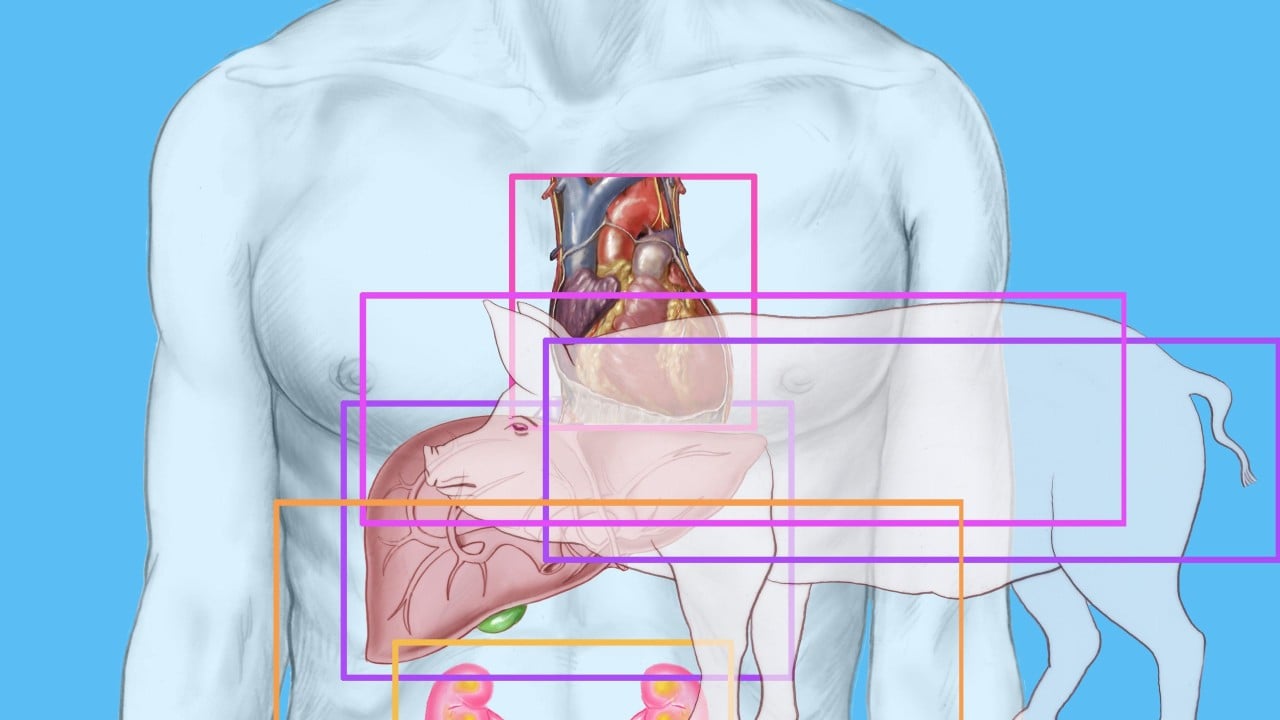
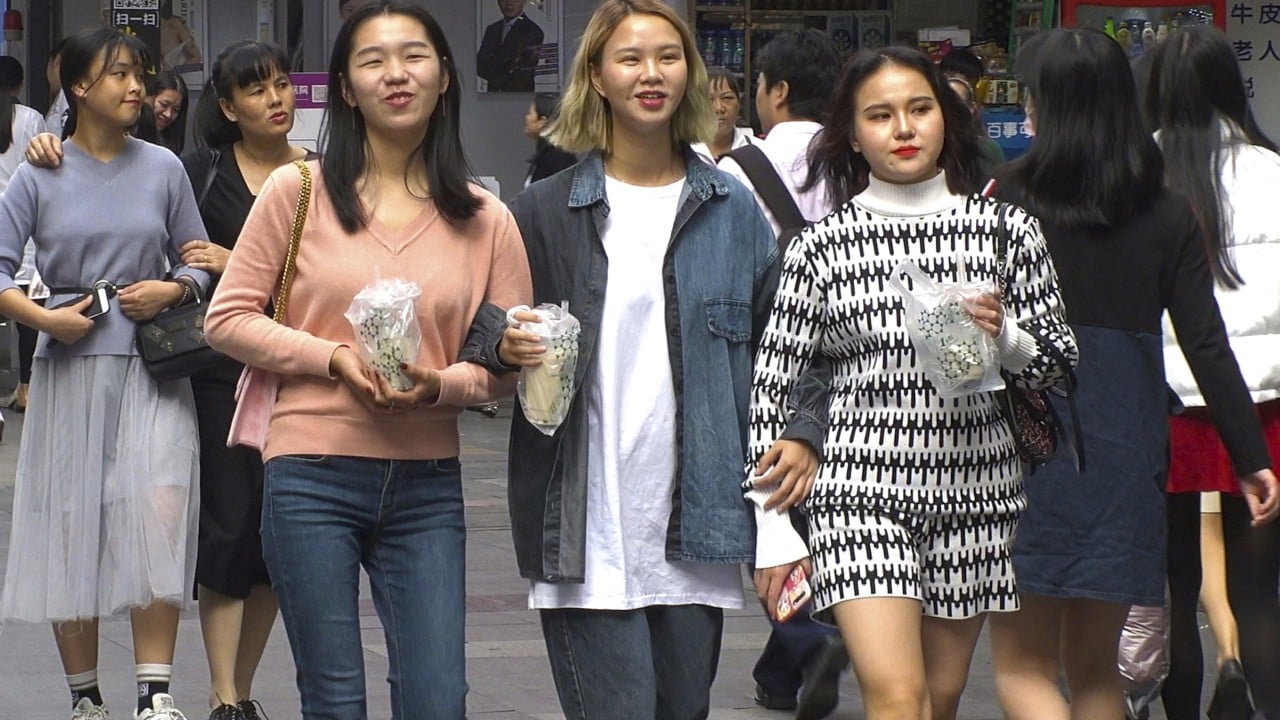
Chinese researchers have mapped the female reproductive tract, revealing distinct differences in the vaginal microbiomes of American and Chinese women. Their findings, published in Nature Genetics, challenge a one-size-fits-all approach to health solutions.
The study found that a bacterium associated with bacterial vaginosis and preterm birth is significantly more common and aggressive in American women. This discovery underscores the critical need for localized treatments tailored to specific populations. The researchers emphasized that their work fills a crucial knowledge gap, as previous understanding of these microbes was largely based on data from Western populations.
This comprehensive genomic map of the female reproductive tract is the most extensive to date. The research, which began collecting samples in 2018, provides a foundational platform for future global research into vaginal microbiomes and microbe-host interactions. Scientists from BGI-Research, Southern University of Science and Technology, Peking Union Medical College Hospital, Beijing Institutes of Life Science, and Fudan University collaborated on the project.
fills a critical gap for Asian populations and provides a foundational platform for global vaginal microbiome research and microbe-host interaction studies
DistantNews Editorial
Originally published by South China Morning Post. Summarized and contextualized by our editorial team with added local perspective. Read our editorial standards.
More Stories


From Our Blog

Countries Without a Free Press: What You Need to Know

What Press Freedom Means for the News You Read

What Gets Lost (and Found) When News Is Translated

The Critical Role of Diaspora Media in Global News

What Travellers Should Know About Countries with Restricted Press
