

US criticizes China for brief warning before Pacific missile launch
Translated from English, summarized and contextualized by DistantNews.
At a glance
News
Named sources
Context piece
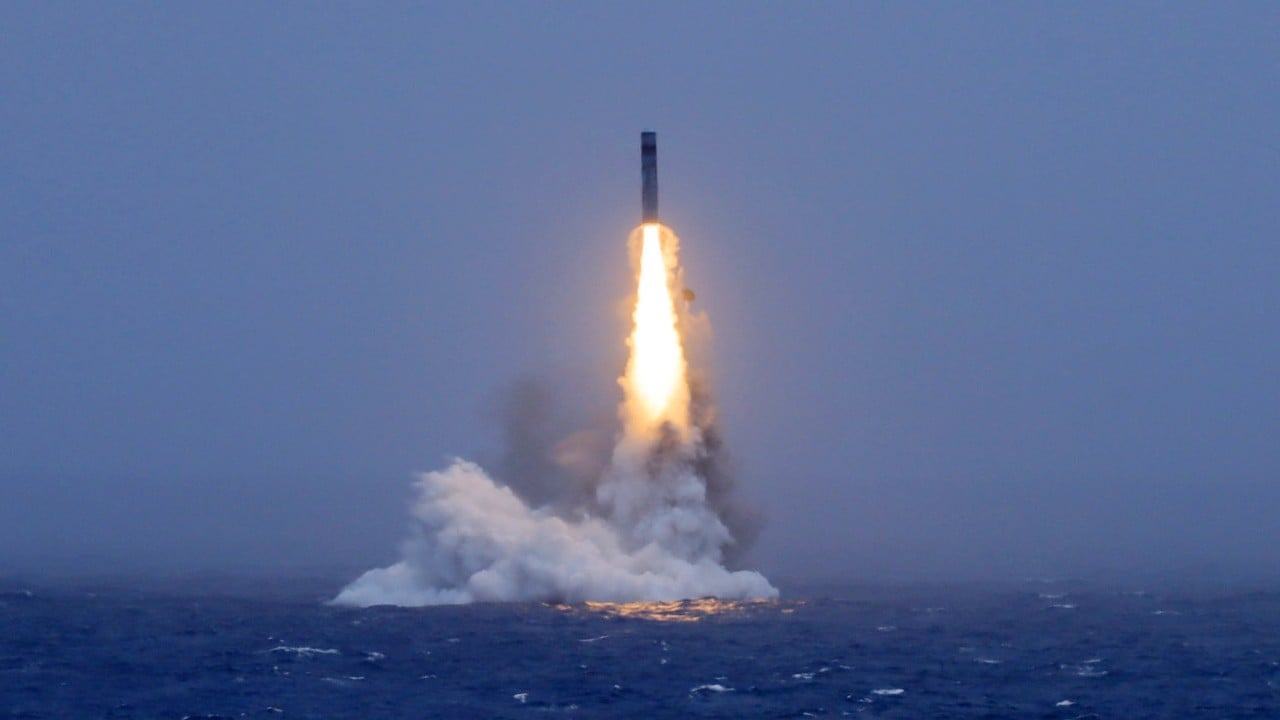
- The US State Department criticized China for providing only a few hours' notice before launching a submarine-fired ballistic missile into the Pacific.
- Washington stated that Beijing's actions fell short of the standards followed by other major nuclear powers and expressed concern over China's opaque nuclear weapons build-up.
- The US noted that China's notification lacked key details expected among established nuclear powers during the July 6 missile test.
The United States has voiced strong criticism of China's recent submarine-launched ballistic missile test, citing insufficient warning and a lack of transparency.
We monitored China’s submarine-launched ballistic missile test on July 6, which landed in the southern Pacific Ocean.
A State Department spokesperson told the South China Morning Post that Washington monitored the missile test on July 6, which landed in the southern Pacific Ocean. The spokesperson highlighted that the test occurred amid China's "rapid and opaque nuclear weapons build-up," which is a significant concern for the region.
The test occurred amid China’s rapid and opaque nuclear weapons build-up and is of great concern to the region.
According to the US, China's notification to Washington came only a few hours before the launch. This limited notice, the spokesperson stated, failed to provide sufficient detail and fell "considerably short of standards adopted by all other P5 nuclear weapon states." The US maintains that established nuclear powers adhere to different notification protocols, implying a lack of adherence by China.
China’s notification to the United States came only a few hours before the launch and failed to provide sufficient detail, falling considerably short of standards adopted by all other P5 nuclear weapon states.
DistantNews Editorial
Originally published by South China Morning Post in English. Translated, summarized, and contextualized by our editorial team with added local perspective. Read our editorial standards.
More Stories
From Our Blog

Countries Without a Free Press: What You Need to Know

What Press Freedom Means for the News You Read

What Gets Lost (and Found) When News Is Translated

The Critical Role of Diaspora Media in Global News

What Travellers Should Know About Countries with Restricted Press
