


US 'dollar weapon' inadvertently bolsters 'yuan bloc'
Translated from Korean, summarized and contextualized by DistantNews.
At a glance
News
Sources not specified
Context piece
- The US dollar's status as the global reserve currency grants the US significant economic advantages but also carries inherent risks.
- US sanctions, particularly targeting Russia and Iran, have inadvertently fostered the growth of a "yuan payment bloc" as these nations increasingly use China's currency.
- This shift, driven by a desire to circumvent US financial restrictions, is creating a "petroyuan" system that challenges the dominance of the US dollar's "petrodollar" system.
The United States has long benefited from the dollar's role as the world's primary reserve currency, enjoying advantages like the ability to sustain large trade and fiscal deficits without facing foreign exchange crises. This "exorbitant privilege" allows the U.S. to borrow easily at low interest rates, supporting a high standard of living. However, this very privilege contains the seeds of its own demise.
One inherent risk is the "Triffin dilemma," where the global demand for dollars can lead to an appreciation of the U.S. currency. This appreciation erodes export competitiveness and fuels excessive financialization of the economy, contributing to trends like the decline of U.S. manufacturing observed since the Bretton Woods system was established. This dynamic also played a role in the rise of protectionism and trade disputes.
A more immediate threat, however, stems from the U.S.'s "adventurism" in wielding the dollar's power through sanctions. By leveraging the dollar's dominance in international trade and finance, the U.S. has increasingly excluded adversaries from the global financial system. While initially targeting smaller nations, these sanctions have expanded to include major powers like Russia, particularly in the context of the U.S.-China rivalry.
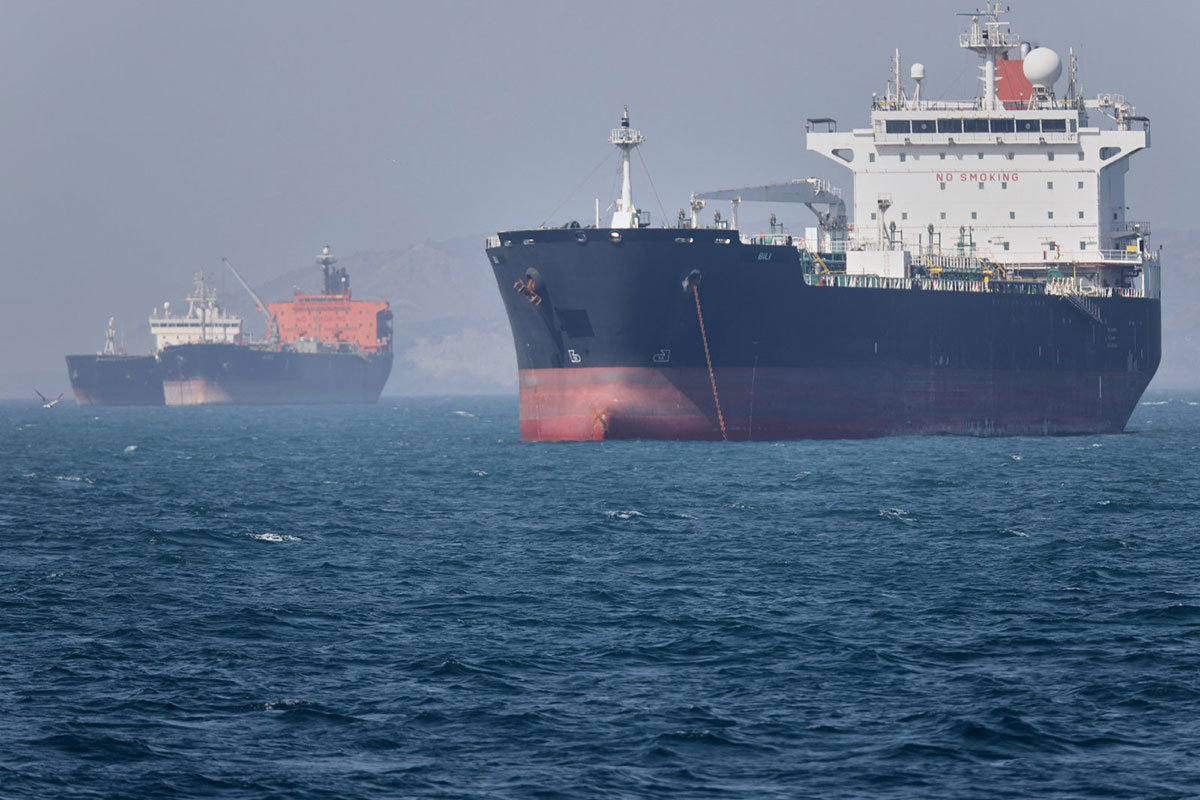
This strategy has backfired, as sanctioned countries increasingly turn to China's yuan as an alternative. This has created a "liberated space" where U.S. sanctions are less effective, fostering a "yuan payment bloc." The Russia-Ukraine war and recent tensions involving Iran have accelerated this trend. Russia, facing frozen assets and exclusion from SWIFT, has sold oil and gas to China at discounted prices, with bilateral trade growing significantly and increasingly settled in yuan and rubles. Similarly, Iran's oil exports, largely to China, are predominantly paid for in yuan, creating what can be seen as the emergence of a "petroyuan."
While the "petroyuan" shares similarities with the U.S.'s "petrodollar" system, its origins and mechanisms differ. The petrodollar emerged from a 1971 agreement where Saudi Arabia, in exchange for security guarantees, agreed to price oil exclusively in dollars, which were then used to buy U.S. Treasury bonds. The petroyuan, conversely, arose as a direct response to the U.S. weaponizing the dollar. It relies on "shadow fleets" and "shadow financial networks" to circumvent sanctions, with trade often misreported and payments facilitated through opaque channels involving smaller banks and shell companies. This development highlights how U.S. economic sanctions may be inadvertently strengthening a yuan-centric economic bloc.
DistantNews Editorial
Originally published by Hankyoreh in Korean. Translated, summarized, and contextualized by our editorial team with added local perspective. Read our editorial standards.
More Stories


From Our Blog

What Gets Lost (and Found) When News Is Translated

The Critical Role of Diaspora Media in Global News

What Travellers Should Know About Countries with Restricted Press

A Digital Nomad's Guide to Following Local News

How the Same Story Looks Different in Different Countries
