

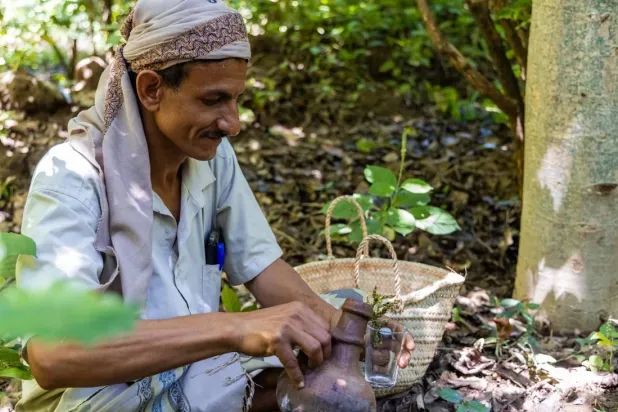

US Envoys Head to Pakistan for Iran Peace Talks Amid Strait of Hormuz Tensions
Translated from English, summarized and contextualized by DistantNews.
TLDR
- US envoys are heading to Pakistan for potential peace negotiations with Iran, though direct talks remain uncertain.
- Iran's foreign minister arrived in Islamabad, but Iranian state media indicated no direct meetings with US representatives are planned.
- The US aims to reopen the Strait of Hormuz, a vital oil and LNG conduit, which Iran has partially blockaded, causing global energy market turmoil.
The United States is deploying high-level envoys, Steve Witkoff and Jared Kushner, to Islamabad in a bid to revive stalled peace negotiations with Iran. While the White House frames this as an 'in-person conversation' prompted by Iran's outreach, the situation remains fraught with uncertainty. Iranian state media has downplayed the prospect of direct talks, suggesting Islamabad will serve as an intermediary for conveying proposals rather than hosting a face-to-face meeting between the delegations.
The Iranians reached out, as the president called on them to do, and asked for this in-person conversation.
This diplomatic push comes amidst escalating tensions and a critical juncture for global energy markets. Iran's partial blockade of the Strait of Hormuz, a vital waterway for oil and liquefied natural gas (LNG) transport, has thrown markets into turmoil. The US objective is clear: to secure the reopening of this crucial chokepoint. The recent extension of a ceasefire in Lebanon by President Trump offers a glimmer of hope, but sealing a broader deal to end the Middle East conflict remains a complex challenge.
The Iranians reached out, as the president called on them to do, and asked for this in-person conversation.
Adding another layer to the diplomatic maneuvering, Iran's Foreign Minister is scheduled to visit Oman and Russia after his Pakistan stop. These engagements are intended to discuss efforts to end the war that Iran claims was launched against it by Israel and the United States. Meanwhile, European leaders, like European Council President Antonio Costa, emphasize the 'vital' necessity of reopening the Strait of Hormuz 'without restrictions and without tolling,' highlighting the global economic stakes involved in resolving this standoff.
The Iranians reached out, as the president called on them to do, and asked for this in-person conversation.
DistantNews Editorial
Originally published by Asharq Al-Awsat in English. Translated, summarized, and contextualized by our editorial team with added local perspective. Read our editorial standards.
More Stories
From Our Blog

What Gets Lost (and Found) When News Is Translated

The Critical Role of Diaspora Media in Global News

What Travellers Should Know About Countries with Restricted Press

A Digital Nomad's Guide to Following Local News

How the Same Story Looks Different in Different Countries
