

US-EU tech competition signals 'new normal' as alliance shifts to transactional exchange, Chinese analysis says
Translated from English, summarized and contextualized by DistantNews.
At a glance
Analysis
Named sources
Context piece
- A Chinese think tank analysis suggests US-EU competition over tech regulations is becoming the new normal, shifting their relationship from partnership to transactional exchange.
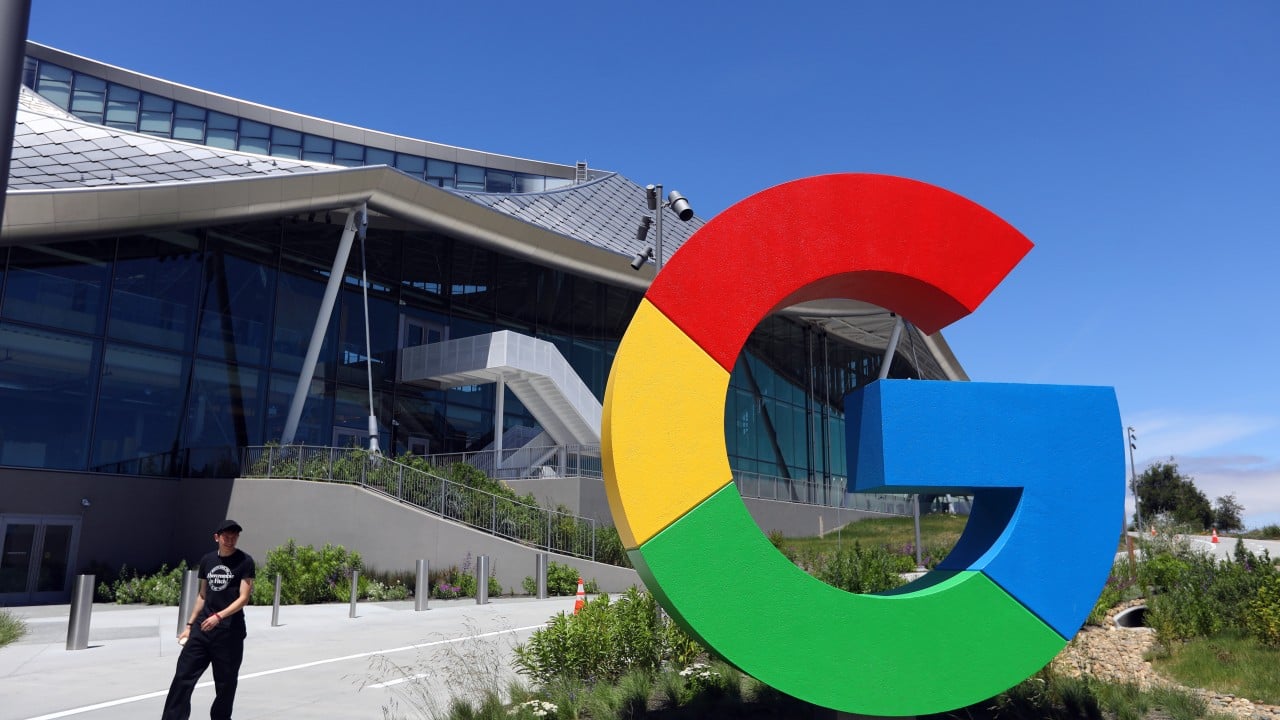
- This shift is exemplified by recent EU fines on US tech giants, such as Google's €890 million penalty for illegally favoring its services.
- The analysis posits that the transatlantic alliance, once based on shared values, is increasingly driven by self-interest and calculations of national interest.
Competition over technology regulations is defining the new normal in US-EU relations, transforming a once collaborative partnership into a transactional exchange, according to an analysis from a leading Chinese think tank. Guo Mingxu, head of the European Economy Programme at the China Institutes of Contemporary International Relations, pointed to the European Union's recent imposition of hefty fines on US tech giants for breaching EU law as a prime example of this evolving dynamic.
This assessment emerges amidst a period of significant volatility in US-EU relations, characterized by tariff threats and broader disagreements on trade and the future of NATO. Guo observed that the transatlantic alliance, historically anchored in shared values, is now increasingly governed by "hard calculations of interest." He argued that as unified values erode and double standards become prevalent, "empty narratives can no longer restrain self-interest." The analysis suggests that when "real-world demands collide head-on, the alliance will ultimately fall apart."
The transatlantic alliance, once rooted in shared values, is increasingly yielding to hard calculations of interest.
Last month, Brussels fined Google €890 million (US$1 billion) for illegally favoring its own search services over rivals and restricting app developers. This action underscores the regulatory friction between the two economic powers. The think tank's analysis implies that such regulatory actions are not isolated incidents but rather indicators of a fundamental shift in the transatlantic relationship, driven by national interests and a more competitive approach to global economic and technological governance.
When the unified values holding the bloc together are torn apart and double standards prevail, empty narratives can no longer restrain self-interest. Once real-world demands collide head-on, the alliance will ultimately fall apart.
DistantNews Editorial
Originally published by South China Morning Post in English. Translated, summarized, and contextualized by our editorial team with added local perspective. Read our editorial standards.
More Stories


From Our Blog

Countries Without a Free Press: What You Need to Know

What Press Freedom Means for the News You Read

What Gets Lost (and Found) When News Is Translated

The Critical Role of Diaspora Media in Global News

What Travellers Should Know About Countries with Restricted Press
