

US future policymakers question 'China threat' narrative
Translated from English, summarized and contextualized by DistantNews.
At a glance
Analysis
Sources not specified
Context piece
- A new generation of US policymakers is questioning the established 'China threat' narrative.
- These emerging professionals, trained at universities like Georgetown and Rice, are increasingly skeptical of viewing China solely as a strategic rival.
- Their evolving perspectives could shape future US foreign policy as they enter government and think tanks.
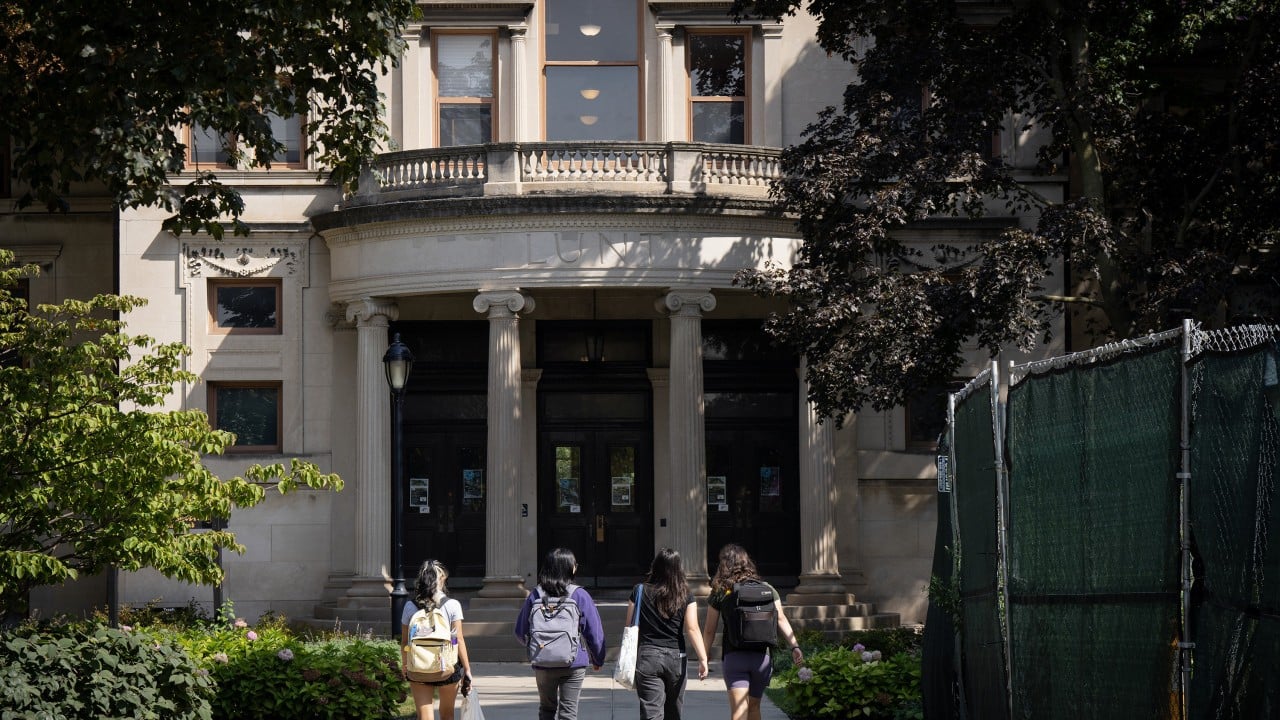
The long-held consensus in Washington that US policy toward China should be progressively tougher is facing a challenge from within the ranks of future American policymakers. A growing number of students training for diplomatic and foreign-policy careers at US universities are expressing skepticism about the prevailing narrative that frames Beijing primarily as America's great strategic rival.
This shift in perspective is significant because many of these students are on track to enter key institutions such as the US State Department, Congress, intelligence agencies, and the national security bureaucracy. Their views, shaped by growing up during China's rise, may diverge from those of the policymakers who established the current approach.
Experts observing this trend agree that a change is underway, but they debate its endurance and potential impact. Questions remain about whether these evolving views will withstand the pressures of Washington's political climate and how China's own actions might influence the future trajectory of US-China relations. The outcome will depend on whether these younger Americans begin to see China differently or if their views are merely a reflection of the current political and economic moment.
DistantNews Editorial
Originally published by South China Morning Post in English. Translated, summarized, and contextualized by our editorial team with added local perspective. Read our editorial standards.
More Stories
From Our Blog

Countries Without a Free Press: What You Need to Know

What Press Freedom Means for the News You Read

What Gets Lost (and Found) When News Is Translated

The Critical Role of Diaspora Media in Global News

What Travellers Should Know About Countries with Restricted Press
