

What the Mecca military pact means for China
Summarized and contextualized by DistantNews.
At a glance
Analysis
Sources not specified
New plan
- Saudi Arabia, Turkey, and Pakistan signed a defense agreement in Mecca, establishing a mutual defense commitment.
- The pact aims to enhance regional security amid vulnerabilities and a crisis of confidence in Western guarantees.
- The agreement is described as a flexible, transactional coalition rather than a rigid, institutionalized alliance like NATO.
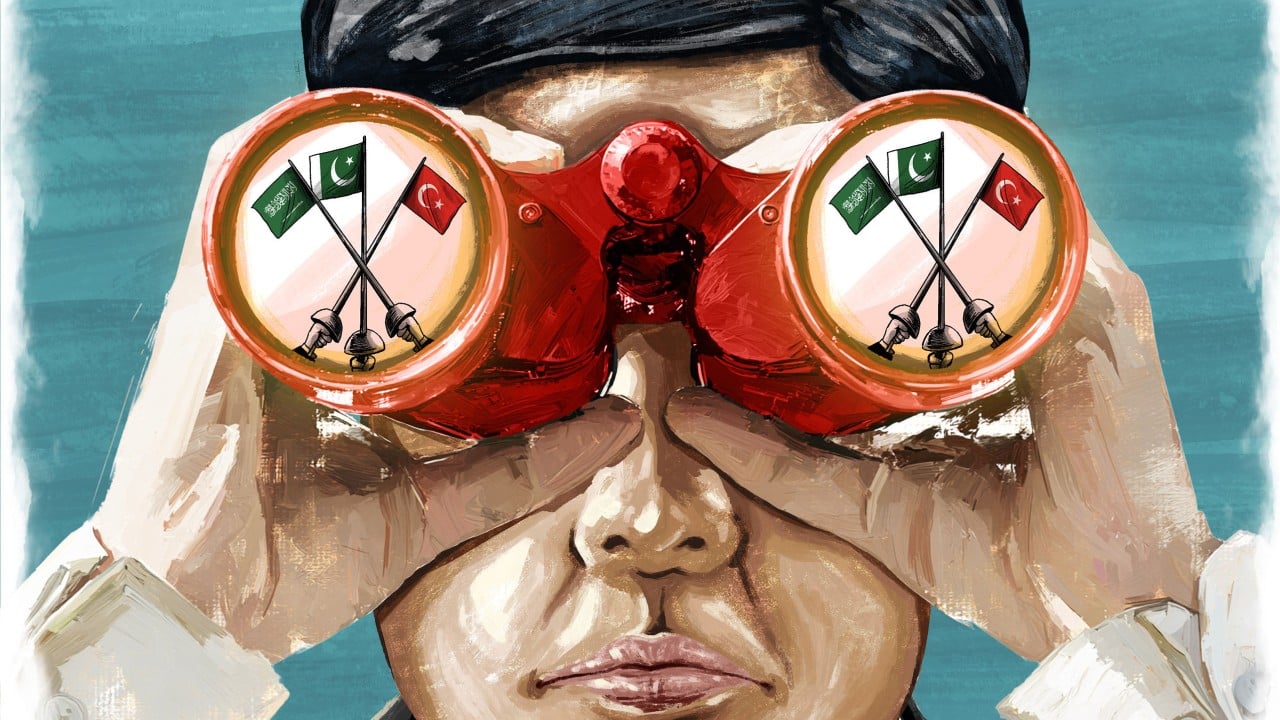
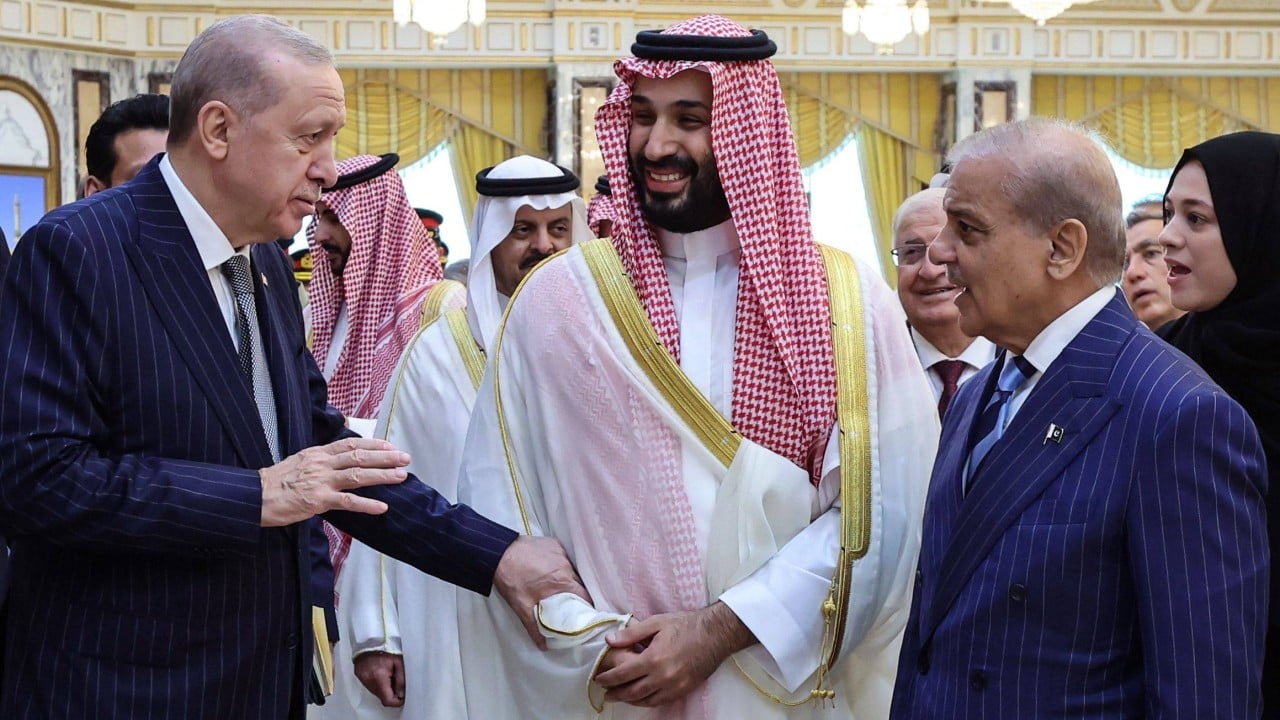
The signing of the Mecca defense agreement by Saudi Crown Prince Mohammed bin Salman, Turkish President Recep Tayyip Erdogan, and Pakistani Prime Minister Shehbaz Sharif signifies a major restructuring of Middle East security architecture. This tripartite pact codifies a defense commitment where an armed attack on one signatory is considered an assault on all, building upon a prior Saudi-Pakistan defense agreement.
The agreement bridges the financial power of the Gulf, the military industrial capabilities of a NATO member, and the operational capacity of a nuclear-armed South Asian state. It emerges from acute vulnerabilities and a perceived crisis of confidence in existing Western security guarantees. For Saudi Arabia, it serves as an insurance policy for its Vision 2030 projects, protecting vital infrastructure against regional volatility, Iranian-backed disruptions, and unpredictable U.S. foreign policy.
For Turkey, the pact is a vehicle to project power across the Islamic world under its "Asia Anew Initiative," expanding its defense export market with advanced weaponry. For Pakistan, it secures crucial Gulf financial lifelines and energy supplies while elevating its military to a significant regional player. Ideologically and geopolitically, the Mecca pact represents a pragmatic shift toward regional self-reliance.
While some have labeled it an "Islamic NATO," the comparison is considered functionally flawed. Unlike the North Atlantic Treaty Organization, which operates with a rigid command structure, integrated hubs, and a shared doctrine under U.S. hegemony, the Mecca pact is envisioned as a flexible, transactional strategic coalition. It lacks a permanent bureaucratic headquarters, relying instead on state-to-state defense integration, intelligence sharing, and collaborative defense-industrial development.
DistantNews Editorial
Originally published by South China Morning Post. Summarized and contextualized by our editorial team with added local perspective. Read our editorial standards.
More Stories

From Our Blog

Countries Without a Free Press: What You Need to Know

What Press Freedom Means for the News You Read

What Gets Lost (and Found) When News Is Translated

The Critical Role of Diaspora Media in Global News

What Travellers Should Know About Countries with Restricted Press
