


US health alert: Mysterious 'explosive' diarrhea outbreak in 17 states ahead of national holiday
Translated from Greek, summarized and contextualized by DistantNews.
At a glance
News
Named sources
Ongoing story
- An outbreak of "explosive" diarrhea caused by the parasite Cyclospora has affected at least 145 people in 17 U.S. states.
- Health authorities are concerned because the source of the infection remains unknown, complicating containment efforts.
- The outbreak coincides with the July 4th holiday, raising concerns about potential spread during mass gatherings.
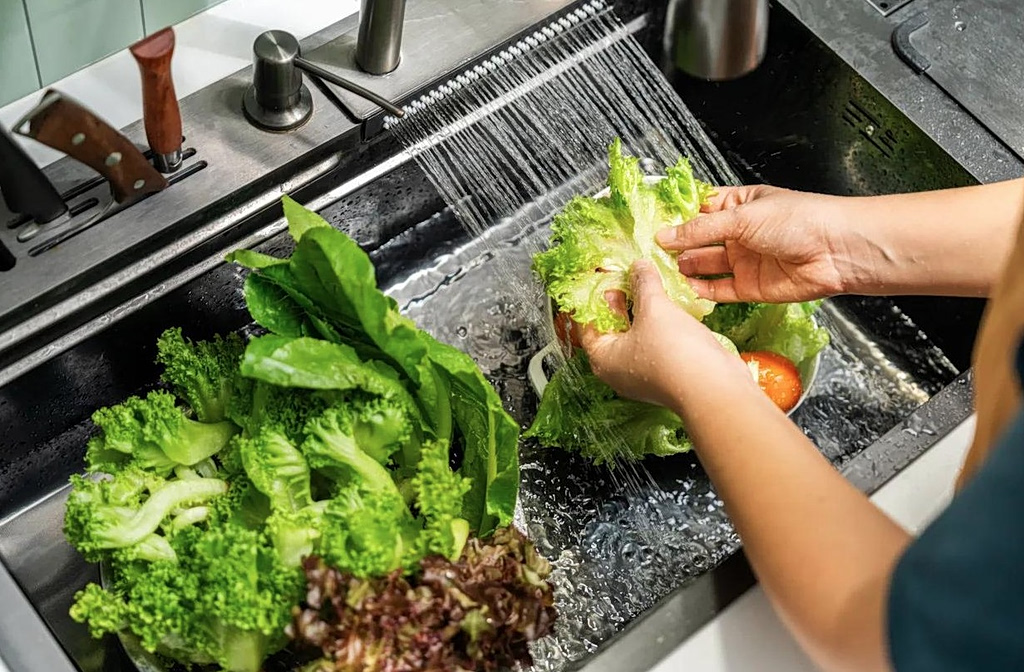
An "explosive" diarrhea outbreak, linked to the parasite Cyclospora, has put U.S. health authorities on alert, with at least 145 individuals in 17 states infected. The cause of the widespread infection remains a mystery, amplifying concerns as the nation approaches its July 4th holiday, a period marked by large public gatherings. Experts are baffled by the transmission method, heightening anxiety ahead of Independence Day celebrations. The Centers for Disease Control and Prevention (CDC) reports that the infections stem from consuming contaminated food. While over 20 patients have been hospitalized, no fatalities have been reported thus far. Officials believe the actual number of cases may be underestimated. New York, Illinois, and Texas have reported the highest numbers of infections. In Michigan, authorities noted a sudden, massive surge in cases, far exceeding the typical annual average. Typically, such outbreaks in the U.S. are traced to international travel or imported produce like cilantro, basil, or berries. However, this time, nearly all affected individuals had not traveled abroad, suggesting the contamination originates from domestic food sources. The Food and Drug Administration (FDA) is collaborating with the CDC to pinpoint the source, but no specific product or supplier has been identified. The existence of multiple clusters across different states indicates that more than one food item might be involved. Until a clear source is identified, experts advise rigorous hygiene practices, including thoroughly washing fruits and vegetables and frequent handwashing before meals.
DistantNews Editorial
Originally published by Ta Nea in Greek. Translated, summarized, and contextualized by our editorial team with added local perspective. Read our editorial standards.
More Stories

From Our Blog

What Gets Lost (and Found) When News Is Translated

The Critical Role of Diaspora Media in Global News

What Travellers Should Know About Countries with Restricted Press

A Digital Nomad's Guide to Following Local News

How the Same Story Looks Different in Different Countries
