


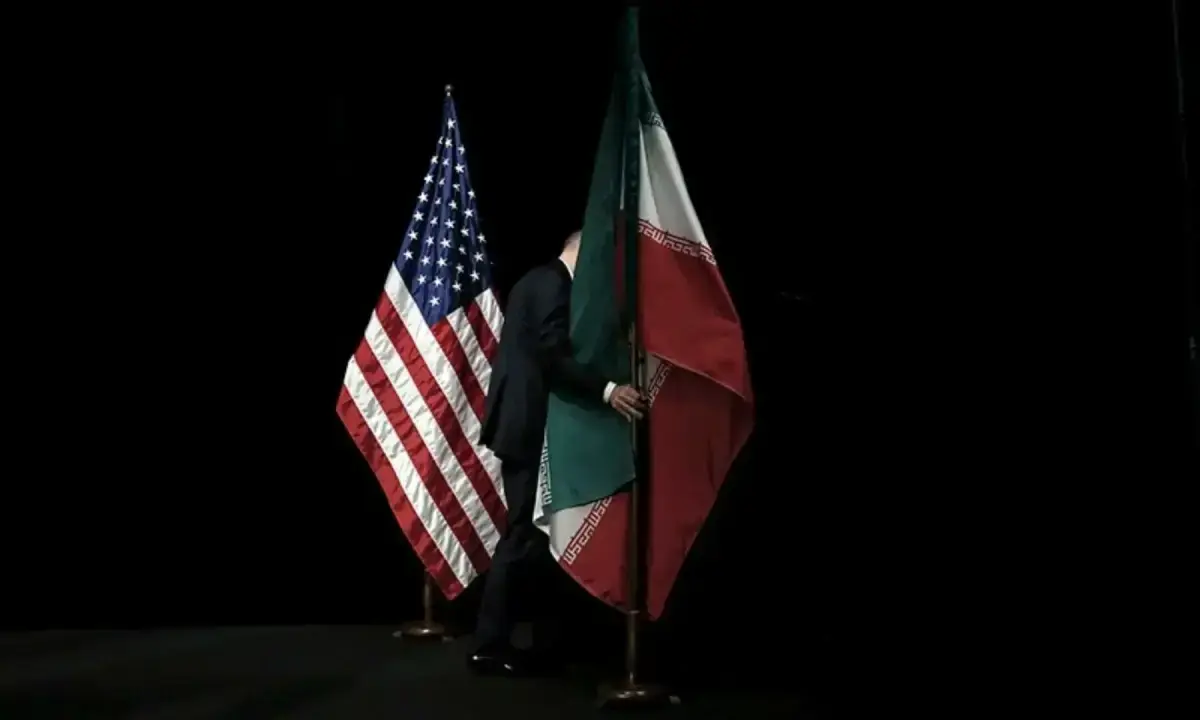
US holds fire against Iran as reports of concerns over of dwindling munitions emerge
Summarized and contextualized by DistantNews.
At a glance
News
Sources not specified
Ongoing story
- The U.S. has paused airstrikes against Iran, nearing the fifth month of conflict, amid concerns over dwindling munitions.
- Reports suggest the pause could be due to pressure on stockpiles of defensive weapons like Patriot interceptors.
- This lull has raised hopes for a return to negotiations, though President Trump has previously threatened higher levels of strikes.
The United States has halted airstrikes against Iran, marking a pause in a conflict that is now nearing its fifth month. This de-escalation comes as reports emerge suggesting that concerns over dwindling munitions may be restraining plans for further military action. The lull in hostilities has revived hopes for a return to diplomatic negotiations after nearly two weeks of consecutive nightly U.S. bombardments.
We’re talking to them right now. I think they’re getting more and more serious.
However, U.S. media reports indicate that the pause could also stem from pressure on stockpiles of defensive weapons, including Patriot interceptors. The conflict, which initially centered on the strategic Strait of Hormuz, has expanded to include attacks on U.S. bases, regional shipping, and Gulf allies. Despite the current pause, U.S. President Donald Trump had previously threatened a "much higher level" of strikes.
Plans to escalate the campaign have reportedly been shelved, in part, due to shrinking supplies. The New York Times, citing individuals briefed on the matter, reported that Trump also faces risks such as a wider Middle East war, estrangement of Gulf allies, and further shocks to the global economy. Vice President JD Vance and top U.S. general Dan Caine have reportedly raised concerns about escalation during a White House meeting, with Caine warning Trump of the potential implications of military actions.
We’re talking to them right now. I think they’re getting more and more serious.
President Trump stated on Friday that he had not yet decided whether to resume an all-out operation, indicating that discussions were ongoing and that parties were becoming "more and more serious." He presented Iran with a choice between a deal and strikes at a "much higher level." The protracted conflict, which Trump had initially predicted would last only four to five weeks, is now nearing its fifth month and is reportedly weighing on his approval ratings ahead of crucial U.S. midterm elections in November. Meanwhile, fighting has spread to a new front, with Yemen's Houthi rebels claiming responsibility for striking Saudi Aramco sites. Iran's Revolutionary Guards also reported stopping four ships attempting to transit the Strait of Hormuz within 24 hours. Foreign Minister Abbas Araghchi stated that Iran could not be blamed for the escalation and offered to broker talks between the Houthis and Riyadh, asserting that "there is no military solution."
there is no military solution.
DistantNews Editorial
Originally published by Dawn. Summarized and contextualized by our editorial team with added local perspective. Read our editorial standards.
More Stories

From Our Blog

What Gets Lost (and Found) When News Is Translated

The Critical Role of Diaspora Media in Global News

What Travellers Should Know About Countries with Restricted Press

A Digital Nomad's Guide to Following Local News

How the Same Story Looks Different in Different Countries
