


US House 'discriminatory' report on Coupang hearing draws fire from Democratic Party
Translated from Korean, summarized and contextualized by DistantNews.
At a glance
News
Sources not specified
Outcome reported
- The Democratic Party expressed regret over a U.S. House committee report that deemed a parliamentary hearing on Coupang's personal information leak discriminatory.
- The party stated that investigating corporate responsibility for digital rights violations and holding hearings is a natural government action.
- They criticized the U.S. report for unilaterally highlighting Coupang's perspective without objective grounds, calling it a mere transcription of the company's claims.
South Korea's Democratic Party has voiced strong regret regarding a report by the U.S. House Judiciary Committee. The report characterized a South Korean parliamentary hearing concerning Coupang's personal information leak as discriminatory and hostile towards the American e-commerce giant.
It is a natural measure for the government to strictly hold companies accountable and conduct related investigations when citizens' digital rights are significantly violated, and it is the same for parliamentary hearings to examine current issues and order countermeasures.
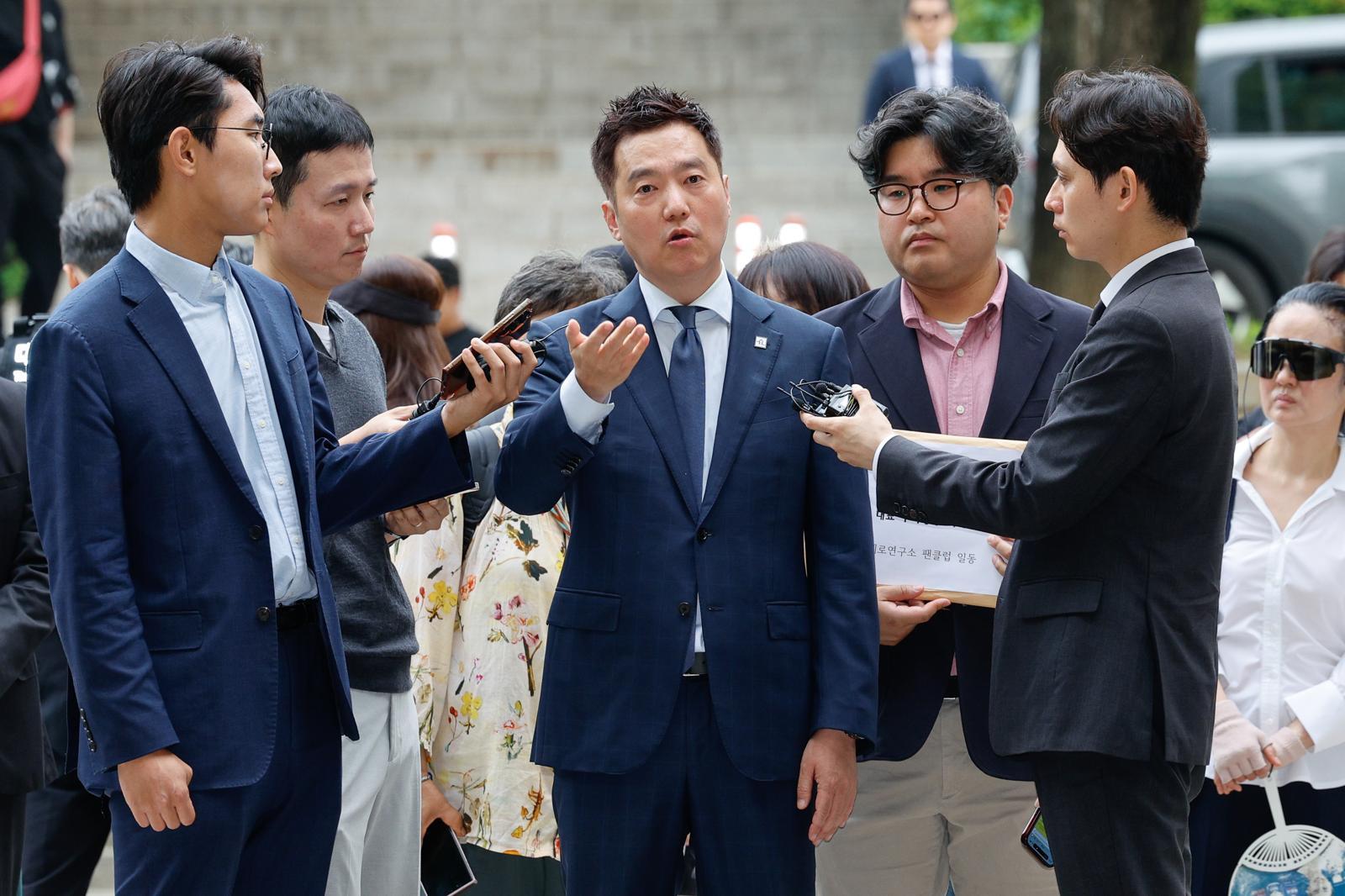
Jang Yoon-mi, spokesperson for the Democratic Party, stated that it is a natural government action to strictly hold companies accountable for violations of digital rights and to conduct investigations. She emphasized that parliamentary hearings to examine pressing issues and demand countermeasures are equally standard procedures. The party expressed deep regret over the U.S. report, asserting it ignores the core issues and unilaterally amplifies Coupang's stance without any objective basis, essentially transcribing the company's one-sided claims.
We express our deep regret over this U.S. House report that, while ignoring these essential issues, unilaterally highlights Coupang's position.
The U.S. House Judiciary Committee's report, released recently, noted that "South Korean lawmakers revealed overtly hostile and discriminatory attitudes towards American companies." This assessment stemmed from a hearing held in December of the previous year, where the National Assembly questioned Coupang officials, including its interim representative in Korea, Harold Rogers, about the information leak.
The content of the report, suggesting our government discriminated against and targeted Coupang, is merely a transcription of Coupang's one-sided claims without any objective grounds.
The Democratic Party spokesperson refuted the report's suggestion that the South Korean government discriminated against or targeted Coupang. Jang argued that the report lacks any objective evidence and merely echoes Coupang's assertions. She urged Coupang to cease shifting blame to the South Korean government to conceal its own wrongdoings, particularly regarding the significant data breach affecting 33.79 million South Korean citizens. The party also called on the People Power Party to refrain from political attacks against the government and the Democratic Party using the U.S. report as a pretext.
Coupang should stop the behavior of shifting responsibility to our government to hide its own mistakes. Coupang should not feign victimhood while remaining irresponsibly silent on the serious issue of personal information leakage of 33.79 million South Korean citizens.
DistantNews Editorial
Originally published by Hankyoreh in Korean. Translated, summarized, and contextualized by our editorial team with added local perspective. Read our editorial standards.
More Stories


From Our Blog

What Gets Lost (and Found) When News Is Translated

The Critical Role of Diaspora Media in Global News

What Travellers Should Know About Countries with Restricted Press

A Digital Nomad's Guide to Following Local News

How the Same Story Looks Different in Different Countries
