


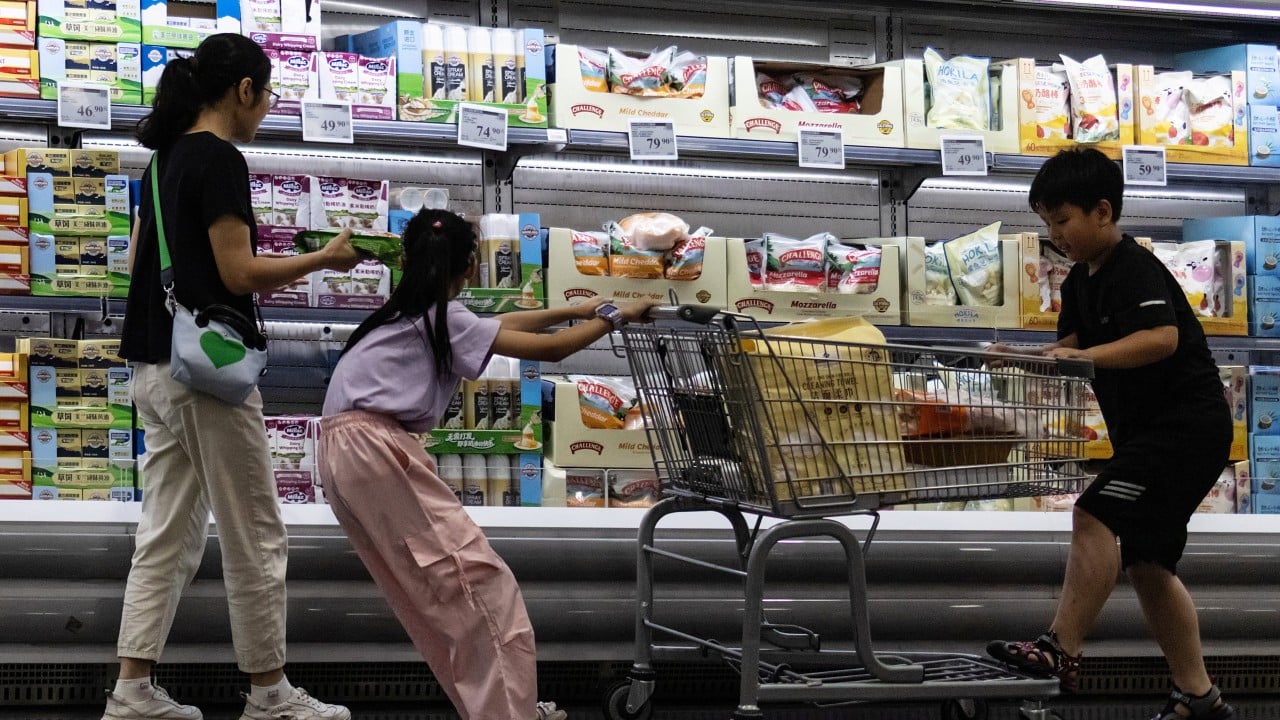
China's baby boom depends on gender equality, not cash handouts
Translated from English, summarized and contextualized by DistantNews.
At a glance
Analysis
Sources not specified
Context piece
- China's government has allocated 99.9 billion yuan ($14.8 billion) to a national childcare subsidy program providing 3,600 yuan annually per child under three.
- While the subsidy offers welcome financial relief and establishes a nationwide system, experts suggest it is insufficient to significantly boost the country's falling birth rate.
- The article argues that China's declining birth rate is more influenced by women's rejection of unequal motherhood terms than by financial incentives alone.
China's national childcare subsidy, offering 3,600 yuan annually per child under three, is an "encouraging acknowledgement" of the high cost of raising children. The central government has allocated 99.9 billion yuan ($14.8 billion) to the program, which has already benefited over 25 million babies, according to state media. This initiative is significant for establishing a unified national system, moving away from a patchwork of local efforts.
However, the article contends that the subsidy, amounting to 300 yuan a month, is unlikely to persuade more couples to have children. The true cost of motherhood, it argues, extends beyond finances to include time, lost career opportunities, and professional setbacks. This perspective is informed by China's continued falling birth rate despite policy shifts from a one-child to a three-child policy.
permission to have children is not the same as the ability or desire to have them.
Policymakers should recognize that "permission to have children is not the same as the ability or desire to have them," the article states. Many women are not rejecting motherhood itself but "the unequal terms on which motherhood is too often offered." This suggests that addressing gender equality and the societal burdens placed on women is crucial for any potential increase in birth rates.
Many women are not rejecting motherhood itself. They are rejecting the unequal terms on which motherhood is too often offered.
DistantNews Editorial
Originally published by South China Morning Post in English. Translated, summarized, and contextualized by our editorial team with added local perspective. Read our editorial standards.
More Stories


From Our Blog

Countries Without a Free Press: What You Need to Know

What Press Freedom Means for the News You Read

What Gets Lost (and Found) When News Is Translated

The Critical Role of Diaspora Media in Global News

What Travellers Should Know About Countries with Restricted Press
