

US-Iran Ceasefire in Doubt as Iran Threatens Retaliation; Oil Prices Rise
Translated from Polish, summarized and contextualized by DistantNews.
TLDR
- Hopes for a US-Iran ceasefire are diminishing as Iran threatens retaliation after the US seized an Iranian cargo ship.
- Iran has indicated it will not participate in upcoming peace talks in Islamabad, citing US actions and demands.
- Tensions have risen significantly just before the expiration of a 14-day ceasefire, impacting oil prices.
The fragile détente between Washington and Tehran is teetering on the brink, with escalating tensions threatening to shatter the hard-won ceasefire. Reports indicate that Iran is poised to retaliate following the US seizure of an Iranian cargo ship, a move that has cast a pall over the ongoing peace negotiations. The Iranian Foreign Minister, Abbas Araghchi, has reportedly conveyed to his Pakistani counterpart that US demands and threats against Iranian vessels are clear indicators of Washington's insincere intentions.
This dramatic turn of events comes just as the 14-day ceasefire, brokered by Donald Trump, nears its end. The uncertainty surrounding Iran's participation in the second round of peace talks, scheduled to begin in Islamabad, has fueled anxieties. While some Iranian agencies initially reported a decision to boycott the talks, others suggested a final decision was pending, highlighting the internal deliberations and the high stakes involved.
The choice is simple: either a free oil market for all, or the risk of significant costs for all.
The situation has been further complicated by conflicting reports and actions regarding the Strait of Hormuz. After Iran announced it would unblock the strait until the ceasefire's end, a gesture seemingly in response to a ceasefire in Lebanon, the US did not reciprocate by lifting its blockade on Iranian ports. This led Iran to re-impose restrictions on the strait, a key waterway for global oil trade and a central demand in the US-Iran negotiations.
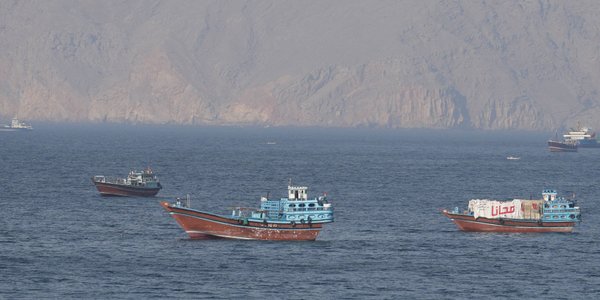
The seizure of the 'Touska' cargo ship by a US destroyer, and Iran's subsequent announcement of swift retaliation for this act of "piracy," has intensified the standoff. Vice President Mohammad Reza Aref's stark warning – "Either free oil market for all, or risk of significant costs for all" – underscores Iran's determination to resist what it perceives as economic aggression. The escalating rhetoric and actions suggest that the path to peace remains fraught with peril, with global energy markets bearing the brunt of the geopolitical friction.
clear signals of insincere intentions
DistantNews Editorial
Originally published by Rzeczpospolita in Polish. Translated, summarized, and contextualized by our editorial team with added local perspective. Read our editorial standards.
More Stories

From Our Blog

What Gets Lost (and Found) When News Is Translated

The Critical Role of Diaspora Media in Global News

What Travellers Should Know About Countries with Restricted Press

A Digital Nomad's Guide to Following Local News

How the Same Story Looks Different in Different Countries
