


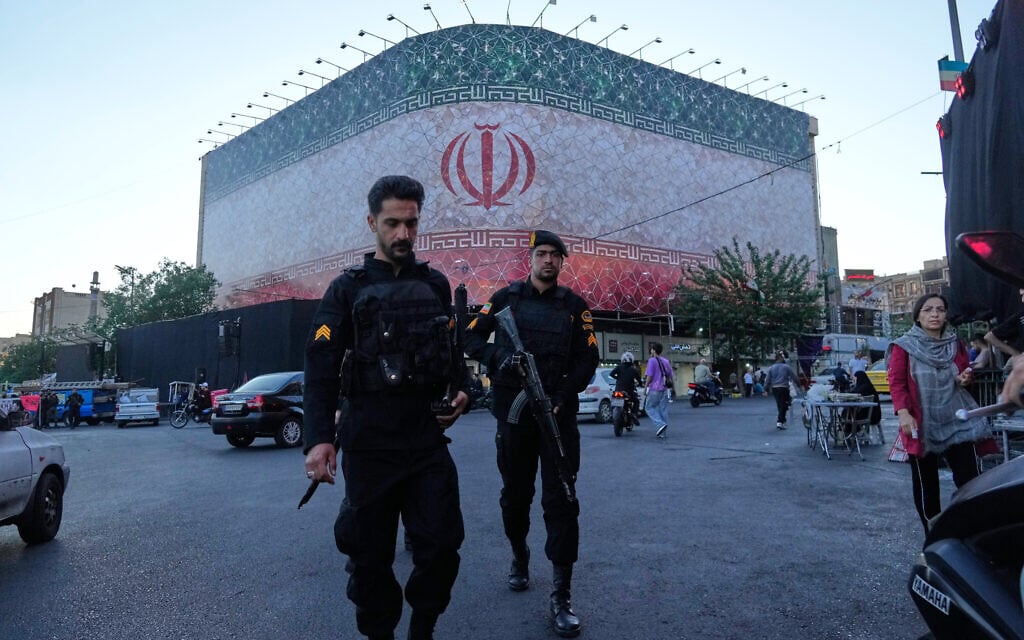
US-Iran deal reportedly set to halt regional hostilities, lift blockade
Translated from English, summarized and contextualized by DistantNews.
At a glance
News
Named sources
New plan
- A reported US-Iran memorandum of understanding aims to halt regional hostilities, including in Lebanon, and lift sanctions.
- The agreement reportedly includes Iran's commitment to nuclear non-proliferation and US sanctions relief for oil sales, with a 60-day period for nuclear talks.
- Israel has expressed concerns, fearing Iran may use the negotiation period to advance its nuclear program and questioning Iran's intention to reach a final agreement.
A reported US-Iran memorandum of understanding, expected to be signed soon, could lead to a full cessation of hostilities involving Iran and its allies, including in Lebanon where Israel has been engaged with Hezbollah.
senior US officials were divided over the proposal, with Vice President JD Vance and envoys Jared Kushner and Steve Witkoff supporting it, while Secretary of State Marco Rubio, Defense Secretary Pete Hegseth and CIA Director John Ratcliffe expressed doubts that Iran would uphold its commitments.
The agreement, as detailed by outlets like Israel's Channel 12 and Saudi Arabia's Al Arabiya, reportedly includes Iran reaffirming its commitment to not develop nuclear weapons. The US and Iran would work to resolve issues regarding Iran's enriched uranium stockpile and discuss future enrichment. Under the terms, the US would lift its naval blockade, refrain from new sanctions, and grant sanctions relief for oil sales. Iran would maintain its current nuclear program status and ensure commercial navigation through the Strait of Hormuz for 60 days during nuclear talks.
Israel fears Iran will use the 60-day nuclear negotiation period to fast-track its nuclear program and make progress towards developing a nuclear weapon.
Implementation of the memorandum would reportedly make Iran's frozen assets available. A final agreement could lead to a US withdrawal of forces from the region and the lifting of all sanctions, potentially including a $300 billion investment fund for Iran. However, senior US officials are reportedly divided, with some supporting the proposal and others expressing doubts about Iran's adherence to its commitments.
The network said Israel assesses that Iran’s Supreme Leader Mojtaba Khamenei has no intention of reaching a final nuclear agreement and approved the MOU primarily to open up the Strait of Hormuz and secure economic relief for the regime.
Israel has not yet been officially briefed on the agreement's terms and has requested a review, which Washington reportedly declined due to concerns about leaks. Israeli officials fear that Iran might use the 60-day negotiation period to accelerate its nuclear program. There is an assessment that Iran's Supreme Leader may not intend to reach a final nuclear agreement, but rather to secure economic relief and open the Strait of Hormuz. Israeli defense officials have warned that Iran might prolong the negotiation process.
Tehran “will drag out the process, and the 60 days of negotiation will turn into much more.”
DistantNews Editorial
Originally published by Times of Israel in English. Translated, summarized, and contextualized by our editorial team with added local perspective. Read our editorial standards.
More Stories


From Our Blog

What Gets Lost (and Found) When News Is Translated

The Critical Role of Diaspora Media in Global News

What Travellers Should Know About Countries with Restricted Press

A Digital Nomad's Guide to Following Local News

How the Same Story Looks Different in Different Countries
