

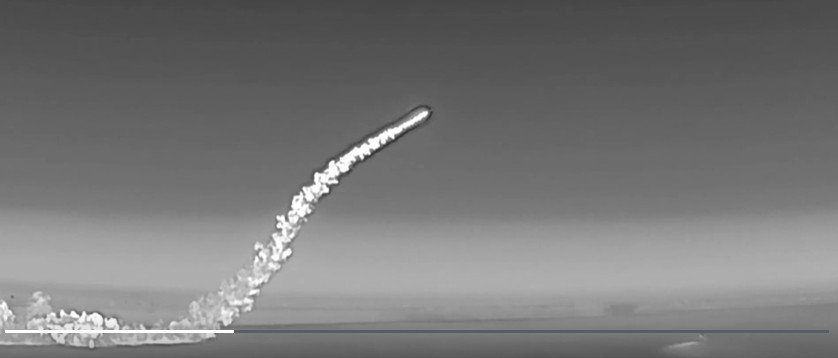

US, Iran Escalate Hormuz Strait Conflict, UN Warns of Full-Scale War Risk
Translated from Korean, summarized and contextualized by DistantNews.
At a glance
News
Named sources
Ongoing story
- The US and Iran have escalated attacks around the Strait of Hormuz, raising fears of a full-scale war.
- Iran retaliated against US airstrikes by targeting countries that have mediated peace talks.
- The UN has urged an immediate cessation of hostilities to prevent catastrophic consequences.
The United States and Iran have engaged in a significant escalation of attacks around the strategic Strait of Hormuz, trading blows for two consecutive days and intensifying fears of a renewed full-scale conflict. The US conducted multiple airstrikes targeting Iran's ability to attack international shipping, while Iran retaliated by striking countries that have been mediating peace efforts.
We have completed strikes on dozens of targets to degrade Iran's ability to attack international shipping in the Strait of Hormuz. Iran does not control the strait.
The US Central Command announced on Tuesday that it had completed strikes on dozens of targets aimed at degrading Iran's capacity to threaten vessels in the Strait of Hormuz. Targets included Iran's air defense systems, radar, missiles, drones, and small boats. This marks the fourth US attack in the past week and the second consecutive day of strikes.
Iran's response was swift and aggressive. The Islamic Revolutionary Guard Corps claimed responsibility for attacking US-related assets, including military bases in Jordan, Bahrain, and Kuwait. This marks a significant shift, as Iran had largely refrained from attacking mediating nations since a ceasefire in April. The IRGC warned of further escalation, including attacks on Gulf energy facilities, if US intervention continues.
The attacks targeted Iran's air defense systems, radar, missiles, drones, and small boats.
Notably, Iran's attacks extended to Oman, a key mediator in negotiations over the Strait of Hormuz. The IRGC reported destroying radar systems and naval detection equipment in Oman. This action followed Oman's summoning of the Iranian ambassador to protest a previous Iranian attack on a US facility in the Omani port of Duqm, which occurred just hours after Iranian Foreign Minister had departed Oman.
If US intervention continues, we will attack oil and gas facilities in the Gulf region.
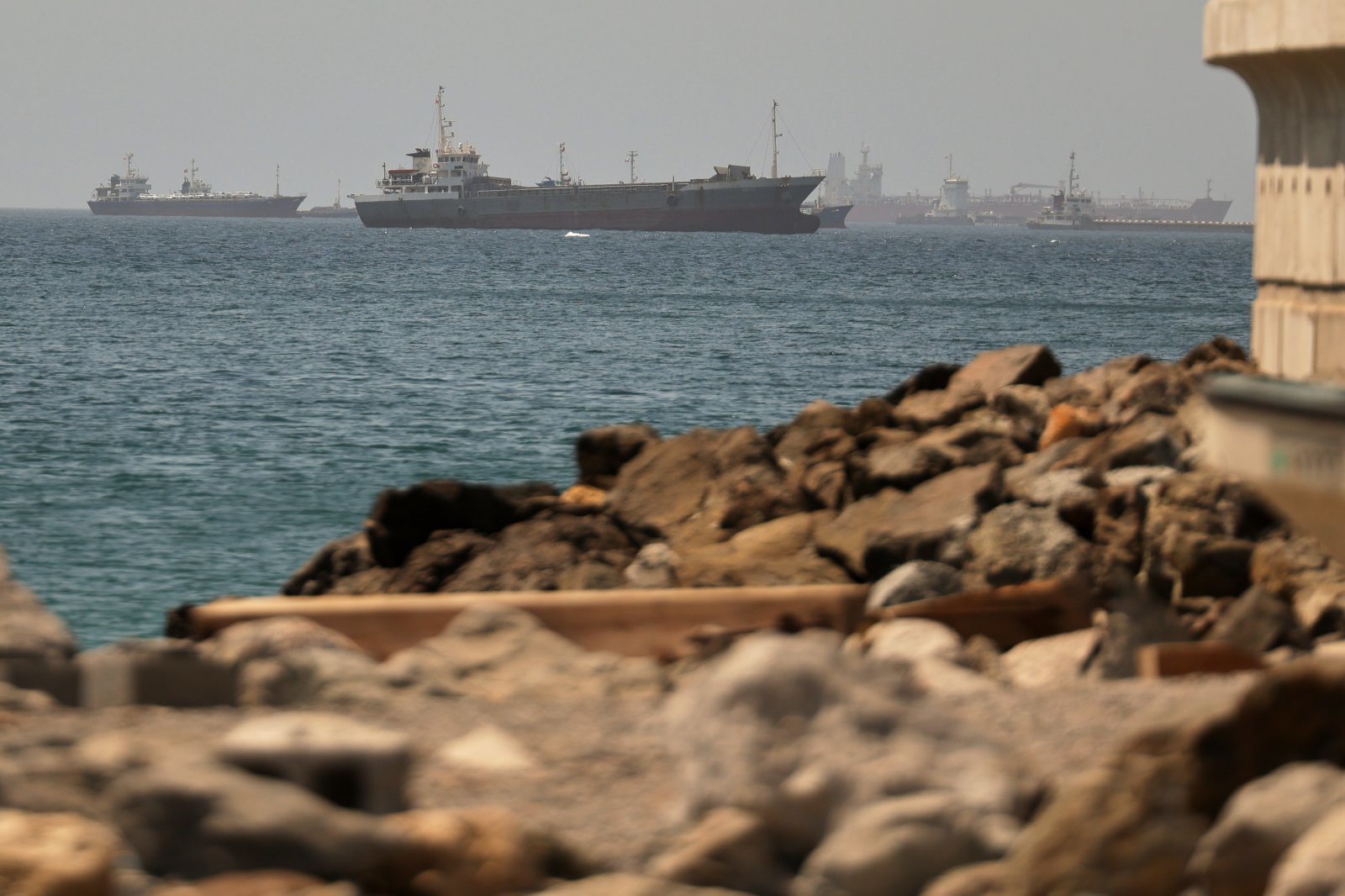
The escalating conflict has severely impacted maritime traffic in the Strait of Hormuz. Data from ship tracking firm Kepler showed only six vessels transiting the strait on Tuesday, the lowest number in five weeks. Analysts suggest Iran's attacks on civilian ships are an attempt to formalize its control over the strait, a move seen as critical to its leverage in negotiations. UN Secretary-General António Guterres expressed grave concern, warning of "catastrophic consequences" for the region and the global economy if a full-scale conflict erupts, and urged both sides to immediately cease hostilities and de-escalate tensions.
This is more important than dozens of atomic bombs, and the Islamic Republic of Iran will defend it.
DistantNews Editorial
Originally published by Hankyoreh in Korean. Translated, summarized, and contextualized by our editorial team with added local perspective. Read our editorial standards.
More Stories


From Our Blog

What Gets Lost (and Found) When News Is Translated

The Critical Role of Diaspora Media in Global News

What Travellers Should Know About Countries with Restricted Press

A Digital Nomad's Guide to Following Local News

How the Same Story Looks Different in Different Countries
