

US-Iran peace talks collapse before starting amid Israel-Hezbollah clashes
Translated from Korean, summarized and contextualized by DistantNews.
At a glance
News
Sources not specified
New plan
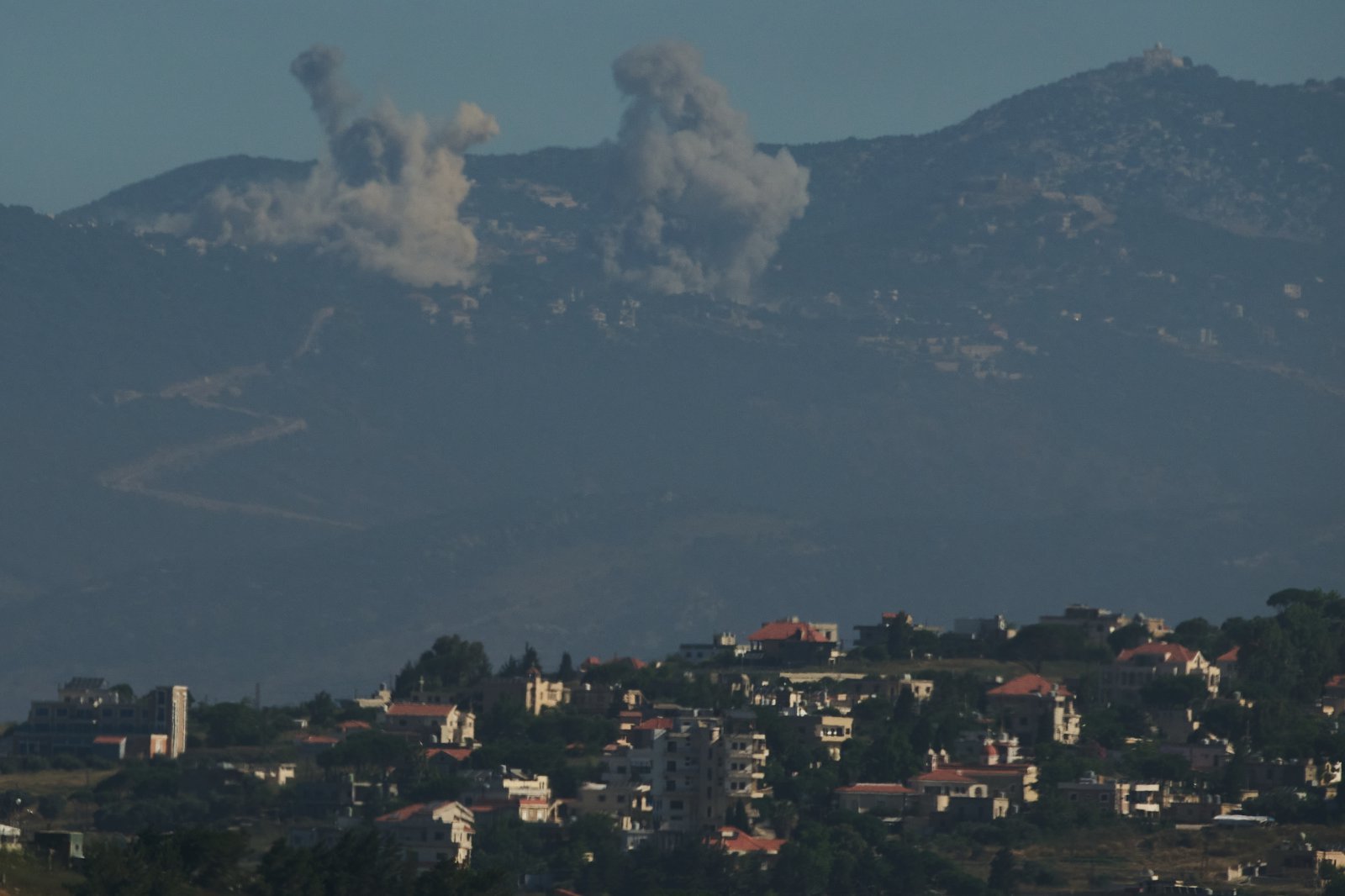
- The United States and Iran's first peace talks have been canceled before they could begin, reportedly due to escalating conflict between Israel and Hezbollah.
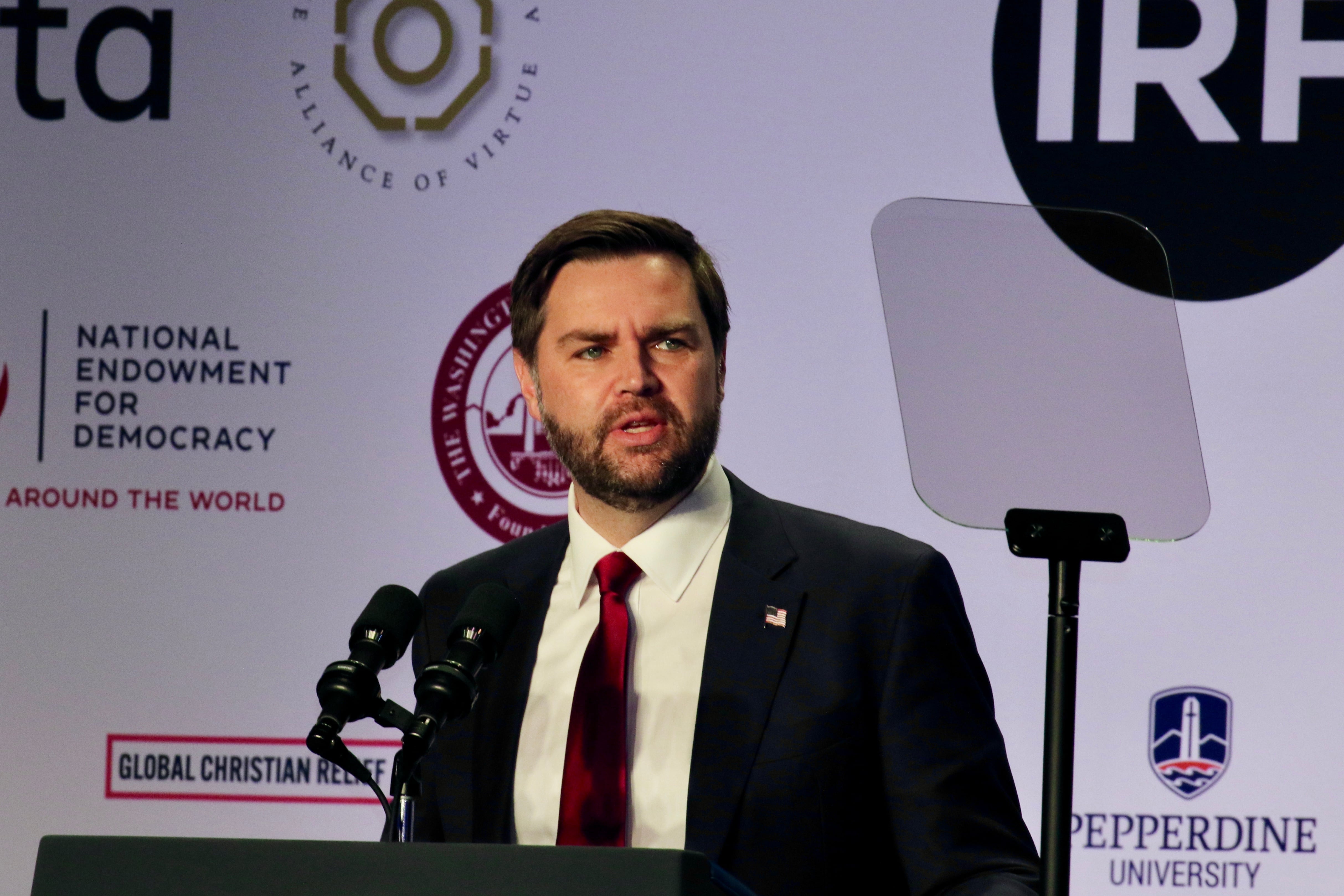
- A U.S. delegation, including Vice President JD Vance, was scheduled to depart for Switzerland, where the talks were to be held, but the trip was canceled.
- Iranian news agency Tasnim also reported that the Iranian delegation's departure for the peace talks was postponed.
Initial peace talks between the United States and Iran have been derailed before they could even commence, reportedly due to the intensifying conflict between Israel and Hezbollah. The planned negotiations faced immediate hurdles, casting a shadow over any potential diplomatic progress.
According to Reuters, a U.S. delegation, which included Vice President JD Vance, was preparing to travel to Switzerland for the crucial talks. However, the delegation's departure was abruptly canceled, signaling a significant setback for the diplomatic efforts. The exact reasons for the cancellation remain unclear, but the escalation of hostilities in the Middle East is cited as a primary factor.
Iranian news agency Tasnim corroborated the report, stating that the Iranian delegation's departure for the peace talks had also been postponed. This mutual postponement suggests a shared understanding of the current geopolitical climate and its impact on the feasibility of dialogue. The timing of the cancellation, occurring just as the talks were set to begin, underscores the fragility of the situation and the challenges in establishing a stable environment for negotiation.
The breakdown of these initial talks, even before they started, highlights the complex and volatile nature of the region. The ongoing conflict between Israel and Hezbollah appears to have created an atmosphere too tense for diplomatic engagement, effectively scuttling the U.S.-Iran negotiations. This development raises concerns about the future prospects for de-escalation and dialogue in the region.
DistantNews Editorial
Originally published by Chosun Ilbo in Korean. Translated, summarized, and contextualized by our editorial team with added local perspective. Read our editorial standards.
More Stories

From Our Blog

What Gets Lost (and Found) When News Is Translated

The Critical Role of Diaspora Media in Global News

What Travellers Should Know About Countries with Restricted Press

A Digital Nomad's Guide to Following Local News

How the Same Story Looks Different in Different Countries
