

US-Iran: Will it be a "Frozen Conflict"? The Stakes Are Extremely High
Translated from Polish, summarized and contextualized by DistantNews.
TLDR
- The US-Iran relationship remains tense despite an existing ceasefire, with experts uncertain about definitive outcomes.
- Both nations have conflicting visions for the region, making a lasting peace challenging.
- A "frozen conflict" scenario is possible, but experts note it doesn't align with certain political styles, suggesting complex, behind-the-scenes negotiations are likely.
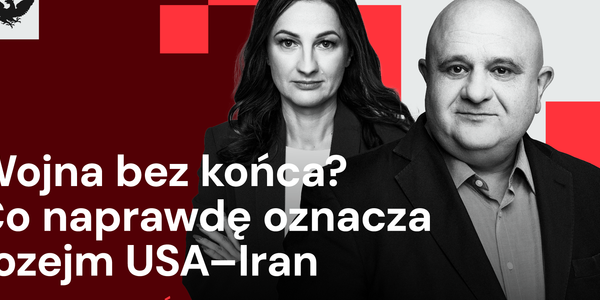
The geopolitical landscape between the United States and Iran remains a complex web of tension, even amidst an existing ceasefire. As noted by Jerzy Haszczyński, providing definitive predictions is a formidable task. The possibility of a "frozen conflict" looms, a scenario where hostilities cease but underlying issues remain unresolved. This is plausible, as both sides appear keen to avoid a full-scale war, yet the stakes involved extend far beyond a mere temporary cessation of hostilities.
It is possible, because both sides are interested in avoiding a new great war.
Both the US and Iran harbor distinct aspirations for the future of the Middle East, and these visions are often difficult to reconcile. Haszczyński emphasizes the immense significance of the current negotiations, stating that the objective transcends a simple pause in military actions. Iran seeks a permanent peace on its own terms, while the US endeavors to establish a new regional order.
The stakes are extremely high, because it's not about stopping the hostilities for a while.
The "frozen conflict" scenario, while possible, may not perfectly align with the diplomatic style of figures like Donald Trump, who historically favors the announcement of grand successes. However, crucial decisions might be made away from the public eye, necessitating meticulous discussions among specialists from both sides. The information environment is further complicated by conflicting narratives and propaganda emanating from both Washington and Tehran, making it difficult to ascertain the true impact of military actions and the actual capabilities of each side.
It is obvious that the regime has strengthened.
Paradoxically, the conflict may have inadvertently strengthened the Iranian regime, consolidating societal support against an external threat and weakening opposition elements. Consequently, a swift resolution appears unlikely. Instead, a prolonged period of uncertainty is anticipated, characterized by the potential for breaches of the ceasefire, though likely not to the extent of reigniting a major war. This protracted state of suspension could have far-reaching consequences, not only for the region but also for Europe, potentially triggering migratory pressures and political destabilization.
We can expect that both sides will break the existing ceasefire rules, but most likely not to the extent that one could say that the great war has returned.
DistantNews Editorial
Originally published by Rzeczpospolita in Polish. Translated, summarized, and contextualized by our editorial team with added local perspective. Read our editorial standards.
More Stories

From Our Blog

What Gets Lost (and Found) When News Is Translated

The Critical Role of Diaspora Media in Global News

What Travellers Should Know About Countries with Restricted Press

A Digital Nomad's Guide to Following Local News

How the Same Story Looks Different in Different Countries
