

US Military Changes Course for 59 Merchant Ships in Anti-Iran Blockade
Translated from Korean, summarized and contextualized by DistantNews.
At a glance
News
Sources not specified
New plan
- The US military reported changing the course of 59 merchant ships as part of its maritime blockade against Iran.
- The US Central Command stated that three ships were neutralized and two were boarded and searched during the operation.
- This action is framed by the US as enforcing a "steel barrier" blockade, while Iran maintains control over the Strait of Hormuz under certain conditions.
The U.S. military has reported altering the routes of 59 merchant vessels as part of its ongoing maritime blockade aimed at Iran. The U.S. Central Command (CENTCOM) announced that in addition to rerouting ships, three vessels were neutralized and two were boarded and searched.
The U.S. military changed the course of 59 merchant ships, neutralized 3 ships, and boarded and searched 2 ships as of the previous day.
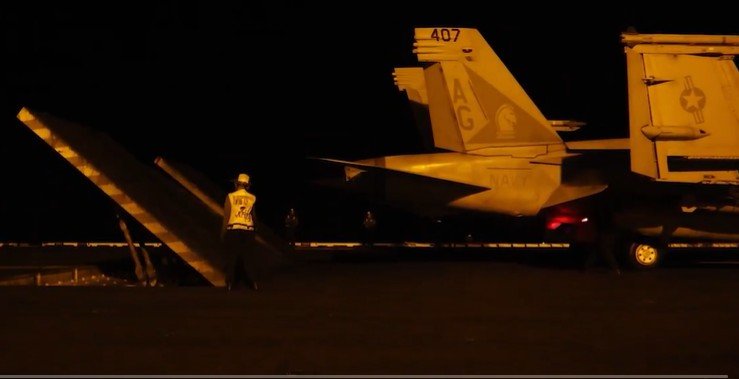
CENTCOM stated these actions are intended to ensure full compliance with what it described as the "steel barrier" blockade against Iran. The operation involves the aircraft carrier USS George H.W. Bush, with F/A-18 fighter jets launching from its deck to support the enforcement efforts in the Middle East.
These measures are intended to ensure full compliance with the so-called 'steel barrier' blockade against Iran.
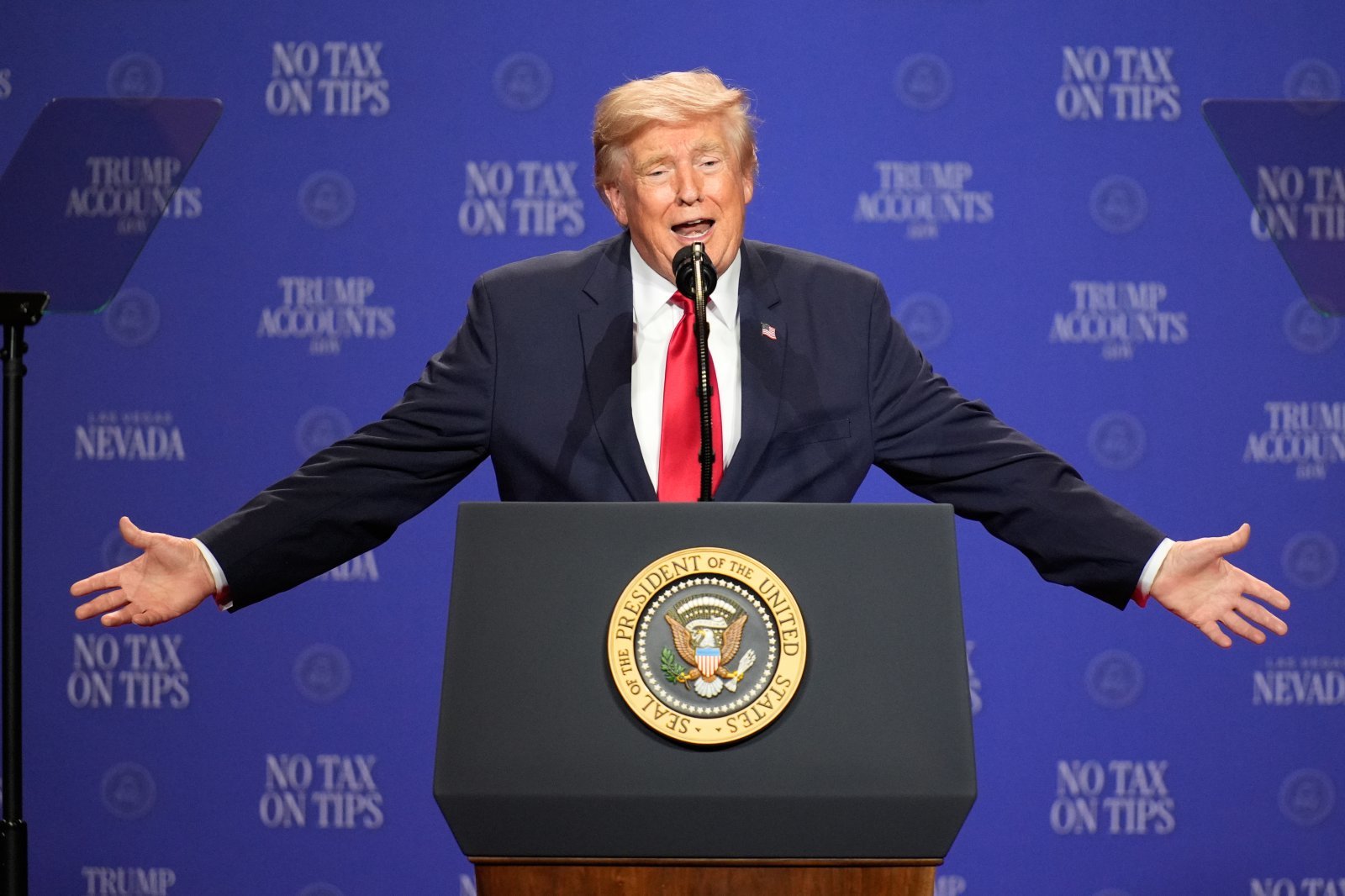
This assertion of control over maritime traffic comes amid heightened tensions. U.S. President Donald Trump has referred to the blockade as a "steel barrier" and claimed complete U.S. control over the Strait of Hormuz. Iran, however, maintains its position that the strait remains blocked and will not be reopened until its demands are met, leading to a continued standoff over passage rights.
The aircraft carrier USS George H.W. Bush is navigating waters in the Middle East region, supporting the U.S. enforcement of the blockade against Iran, and F/A-18 fighter jets have launched from the flight deck.
The U.S. military's actions underscore its commitment to enforcing the blockade, impacting international shipping and contributing to the ongoing geopolitical friction in the region. The situation highlights the strategic importance of the Strait of Hormuz and the competing claims over its control.
The United States completely controls the Strait of Hormuz and will continue to maintain it.
DistantNews Editorial
Originally published by Dong-A Ilbo in Korean. Translated, summarized, and contextualized by our editorial team with added local perspective. Read our editorial standards.
More Stories


From Our Blog

What Gets Lost (and Found) When News Is Translated

The Critical Role of Diaspora Media in Global News

What Travellers Should Know About Countries with Restricted Press

A Digital Nomad's Guide to Following Local News

How the Same Story Looks Different in Different Countries
