


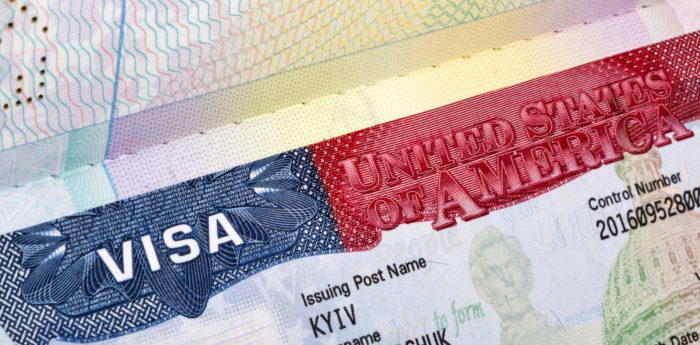
US moves to expand vetting of social media for visa applicants
Summarized and contextualized by DistantNews.
At a glance
News
From a news agency
Context piece
- The U.S. government is reportedly expanding its vetting of social media accounts for visa applicants, including foreign journalists.
- The State Department stated it continuously reviews screening procedures to uphold national security and public safety standards.
- This expansion follows President Trump's broader immigration crackdown and stricter limits on visa durations for students and journalists.
The U.S. government is reportedly set to broaden its scrutiny of social media activity among visa applicants, a move that would encompass foreign journalists as part of President Donald Trump's intensified immigration policies. The Daily Signal obtained an internal memo detailing the plan, which mandates that applicants set their social media accounts to public or open.
the department is constantly reviewing and evaluating screening and vetting procedures worldwide to ensure that our visa process upholds the highest standards for US national security and public safety.
A State Department spokesperson confirmed that the department regularly evaluates its global screening and vetting procedures. The spokesperson emphasized that online presence vetting aims to verify applicants' eligibility under U.S. law and ensure no individual poses a security risk to the United States. This practice is already in place for certain visa categories, such as student visas.
The expanded vetting will now reportedly apply to foreign media representatives and some nationals from Mexico and Canada. This initiative aligns with the Trump administration's broader efforts to restrict immigration, including expelling undocumented migrants and limiting entry for citizens of several countries. The administration has also recently finalized rules imposing shorter stays for foreign students and journalists.
Online presence vetting is about applicants demonstrating their eligibility to receive a visa under US law and ensuring that no individual poses a risk to the safety and security of the United States.
Under the proposed changes, foreigners on student visas could be admitted for the duration of their academic programs, up to four years. Foreign journalists would face a more significant restriction, with stays limited to 240 days, or approximately eight months, though extensions may be possible. The administration views visas as a privilege rather than a right, underscoring its commitment to stricter immigration controls.
A visa is a privilege, not a right.
DistantNews Editorial
Originally published by Vanguard. Summarized and contextualized by our editorial team with added local perspective. Read our editorial standards.
More Stories


From Our Blog

How the Same Story Looks Different in Different Countries

What Gets Lost (and Found) When News Is Translated

The Critical Role of Diaspora Media in Global News

What Travellers Should Know About Countries with Restricted Press

A Digital Nomad's Guide to Following Local News
