


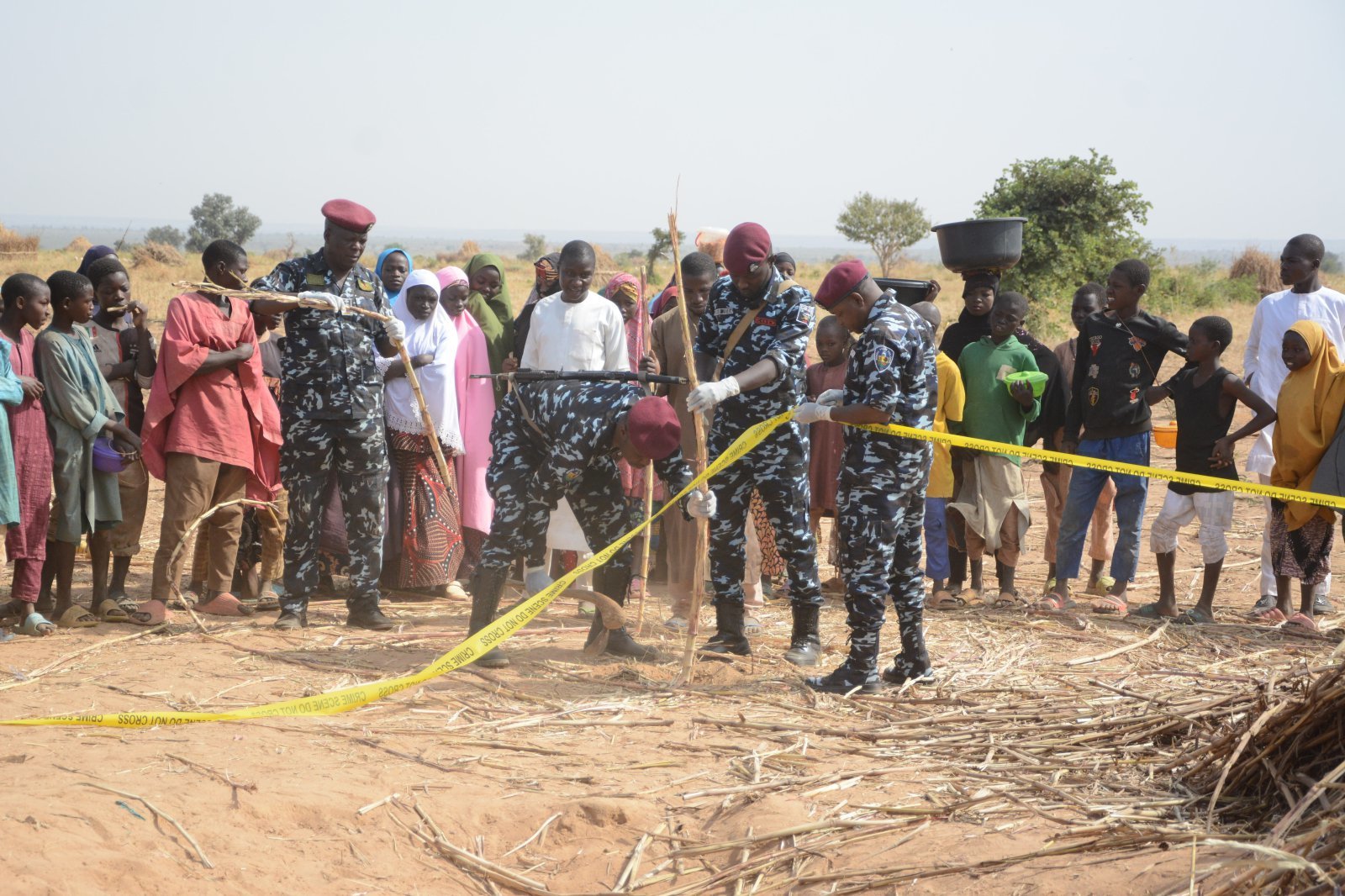
US prepares to withdraw 200 troops from Nigeria, leaving only intelligence teams
Translated from Korean and summarized by DistantNews. Read the original for the full story.
At a glance
News
From a news agency
New plan
- The US Department of Defense plans to withdraw about 200 troops from Nigeria by the end of September.
- A small contingent of US training instructors and intelligence analysts will remain in the country.
- US troops were deployed in February after President Trump criticized Nigeria's protection of Christians from terrorists, though attacks have affected both Christians and Muslims.
The United States is preparing to withdraw approximately 200 military personnel from Nigeria by the end of September, according to a report by The New York Times citing US officials. While the majority of the deployed forces will leave, a smaller presence including training instructors and intelligence analysis teams will remain.
US troops were initially sent to Nigeria in February. This deployment followed President Donald Trump's strong criticism that the Nigerian government was not adequately protecting its Christian population from terrorist attacks. However, the article notes that victims of terrorism in Nigeria have included both Christians and Muslims, indicating a broader conflict.
The US mission in Nigeria appears to have yielded limited success. The report highlights recent attacks, including a large-scale assault on a military base in the northeast just the previous weekend. In the northwest, gunmen reportedly killed over 24 people, including a Muslim imam, in recent days. Additionally, terrorists attacked a village in the central region, killing at least 25 residents.
The withdrawal signals a shift in US military engagement in the region, with the focus moving away from a larger troop presence towards a more specialized intelligence and training role. The ongoing security challenges in Nigeria, marked by persistent terrorist activity affecting diverse communities, underscore the complex nature of the conflict.
About this summary
Originally published by Dong-A Ilbo in Korean. Translated, summarized, and contextualized automatically by DistantNews, with a note on how the source frames the story. Not individually reviewed before publishing. How this works.
More Stories

From Our Blog

What Gets Lost (and Found) When News Is Translated

The Critical Role of Diaspora Media in Global News

What Travellers Should Know About Countries with Restricted Press

A Digital Nomad's Guide to Following Local News

How the Same Story Looks Different in Different Countries
