



US-Saudi Nuclear Deal Sparks Concern Over Uranium Enrichment and Proliferation Risks
Translated from German, summarized and contextualized by DistantNews.
At a glance
News
Named sources
New plan
- The U.S. and Saudi Arabia have signed an agreement for cooperation in civilian nuclear energy, allowing Saudi Arabia to enrich uranium.
- The deal, described as a "multi-billion partnership," grants U.S. companies access to Saudi nuclear projects while providing Saudi Arabia with U.S. technology.
- Experts and non-proliferation organizations express concern, fearing the agreement may set a dangerous precedent and potentially fuel a nuclear arms race.
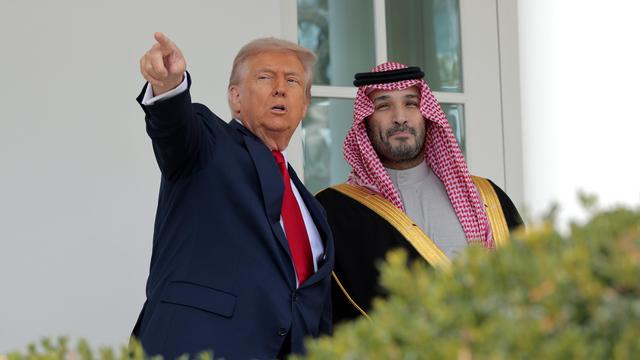
The United States and Saudi Arabia have finalized a significant agreement for cooperation in civilian nuclear energy, a deal that reportedly allows the kingdom to enrich uranium domestically after a specified period. The Wall Street Journal initially reported on the impending agreement, citing individuals familiar with the matter.
multi-billion partnership
The Trump administration officially announced the pact, with Energy Secretary Chris Wright and Saudi Prince Abdulaziz bin Salman signing accords for collaboration in civil nuclear energy use and nuclear safety oversight. Wright characterized the partnership as a "multi-billion partnership," stating it offers American companies "excellent access opportunities" to Saudi Arabia's burgeoning nuclear energy program. In return, Saudi firms are expected to secure substantial contracts.
excellent access opportunities
Despite assurances from the U.S. Energy Department that the agreements adhere to the "highest standards" of nuclear safety and non-proliferation, critics have voiced strong concerns. Reports from several U.S. media outlets, referencing sources close to the deal, suggest that while safeguards exist to prevent Saudi Arabia from enriching uranium to weapons-grade levels, an exception may exempt the kingdom from stringent international inspections typically mandated in such treaties. Instead of the International Atomic Energy Agency (IAEA), American teams would reportedly conduct these inspections.
highest standards
Organizations dedicated to preventing nuclear proliferation have reacted with alarm. Kelsey Davenport of Arms Control Now warned on the platform X that if media reports are accurate, the agreement abandons established standards and creates a perilous precedent. Rosemary Kelanic of the conservative think tank Defense Priorities called the deal a "terrible mistake" that contradicts decades of U.S. policy. She argued that providing enrichment technology to Saudi Arabia gives the kingdom leverage, potentially enabling threats with weapons-grade uranium in the future. Kelanic deemed this handover "stupid," especially given the ongoing tensions surrounding Iran's nuclear program, suggesting it could pressure Iran to pursue nuclear weapons.
if the media reports are accurate, the current standard will be abandoned and a dangerous precedent will be created.
DistantNews Editorial
Originally published by Süddeutsche Zeitung in German. Translated, summarized, and contextualized by our editorial team with added local perspective. Read our editorial standards.
More Stories

From Our Blog

What Gets Lost (and Found) When News Is Translated

How the Same Story Looks Different in Different Countries

The Critical Role of Diaspora Media in Global News

What Travellers Should Know About Countries with Restricted Press

A Digital Nomad's Guide to Following Local News
