

US says it wants a final deal with Iran but not 'at any price'
Translated from Spanish, summarized and contextualized by DistantNews.
At a glance
News
Sources not specified
Context piece
- - The U.S.
- warned it will not accept a nuclear deal with Iran at any price, citing risks of
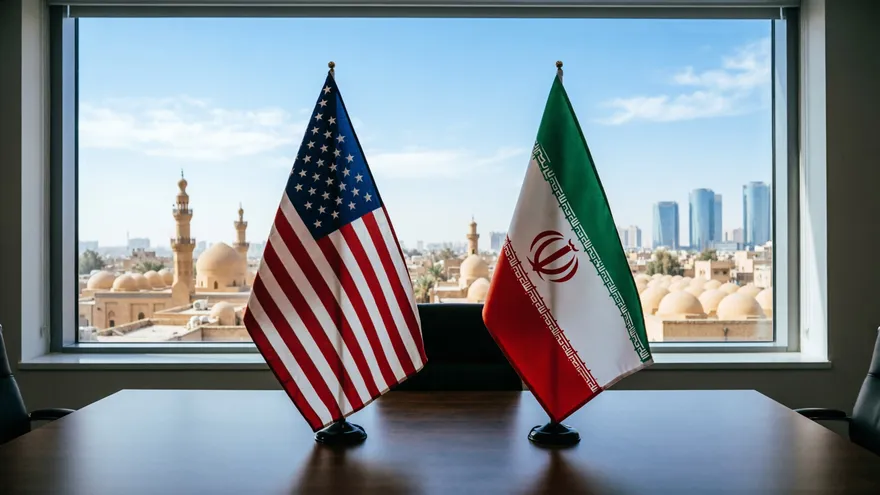
The United States cautioned Thursday that it will not accept a nuclear deal with Iran "at any price." Secretary of State Marco Rubio issued the warning during a meeting with his Gulf Cooperation Council (GCC) counterparts in Bahrain. He also alerted Iran to the potential for "total chaos" if Tehran imposes fees for ship transit through the strategic Strait of Hormuz, a move rejected by Washington.
Although we want a deal, we do not want a deal at any price.
Rubio stated that while the U.S. desires an agreement, it will not be at any cost. He specifically addressed Iran's intention to charge transit fees for vessels crossing the Strait of Hormuz. The U.S. maintains that international maritime routes do not belong to any single state and warned that allowing unilateral restrictions would jeopardize global trade. "Without this fundamental principle, the world would be plunged into total chaos," Rubio asserted.
Tensions escalated after an unknown projectile struck a cargo ship in the Gulf of Oman on Thursday, shortly after it transited the Strait of Hormuz. Following this incident, the International Maritime Organization (IMO) temporarily suspended a plan to evacuate approximately 600 ships stranded in the Gulf since the conflict began.
International maritime routes do not belong to any state.
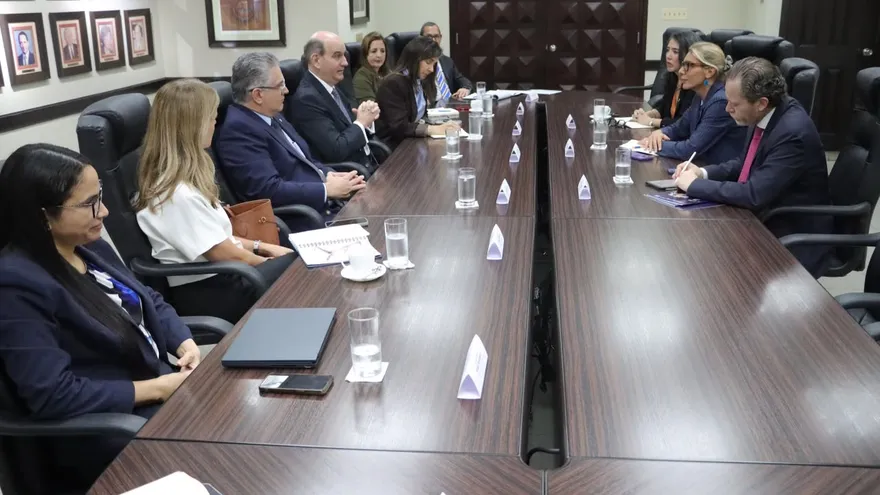
Meanwhile, negotiations between the U.S. and Iran are ongoing. The two nations began talks in Switzerland last week, following a preliminary agreement signed on June 17 that initiated a 60-day negotiation period for a final pact. A technical meeting is scheduled for June 29 or 30. Rubio emphasized that the U.S. aims to ensure any agreement does not compromise the security or stability of allied Gulf nations. However, GCC members believe negotiations should also address Iran's ballistic missile program and its support for armed groups in the Middle East, issues not included in the initial protocol.
Without this fundamental principle, the world would be plunged into total chaos.
Oman stated it does not plan to create a commission to regulate vessel passage and announced a temporary maritime corridor coordinated with the United Nations. Conversely, Iran's Revolutionary Guard warned of "appropriate measures" against any unauthorized crossings. Although a ceasefire has partially reactivated navigation through Hormuz, maritime traffic remains significantly below normal levels.
We will respond with appropriate measures against any attempt to cross without authorization.
DistantNews Editorial
Originally published by TVN Panamá in Spanish. Translated, summarized, and contextualized by our editorial team with added local perspective. Read our editorial standards.
More Stories



From Our Blog

What Gets Lost (and Found) When News Is Translated

The Critical Role of Diaspora Media in Global News

What Travellers Should Know About Countries with Restricted Press

A Digital Nomad's Guide to Following Local News

How the Same Story Looks Different in Different Countries
