

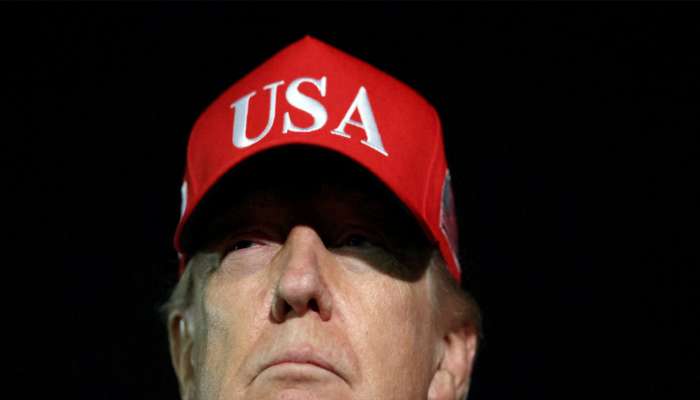
US Senate Rejects Measures Limiting Trump's War Powers in Iran for Fourth Time
Translated from English, summarized and contextualized by DistantNews.
TLDR
- The US Senate rejected a proposal to limit President Trump's war powers regarding Iran for the fourth time, failing to advance with a 47-52 vote.
- The Senate also voted down measures to block arms sales to Israel, including bulldozers and bombs.
- The Treasury Department warned of secondary sanctions on Chinese financial institutions involved in Iranian financial flows, while the US will not renew licenses for Russian and Iranian oil transactions.
In a significant display of legislative division, the US Senate has once again rejected measures aimed at curbing President Trump's war powers concerning Iran. This marks the fourth time this year such a proposal has failed to gain traction, underscoring the deep partisan divide on foreign policy and the President's authority in military engagements. The failure of the resolution, which required congressional approval for future military action in Iran, highlights the challenges in reining in executive power, even amidst ongoing regional tensions.
Democrats plan to continue pushing for such votes regularly.
Adding to the day's contentious votes, the Senate also turned down two critical measures related to military policy and arms sales to Israel. An effort to block the sale of bulldozers to the Israeli military, despite receiving rare bipartisan support from Democrats, ultimately fell short. Similarly, a resolution to block the sale of heavy bombs to Israel also failed to garner sufficient votes. These rejections signal a continued, albeit debated, US policy of supporting Israel, even as concerns about civilian casualties and the broader regional conflict persist.
We believe that due to the blockade in the Straits, there will be a pause in Chinese buying.
On the economic front, the US Treasury Department has issued a stern warning regarding potential secondary sanctions on Chinese financial institutions found to be facilitating Iranian financial flows. Secretary Scott Bessent highlighted China's previous reliance on Iranian oil and suggested that current geopolitical developments, including maritime tensions, might disrupt this trade. Furthermore, the US announced it will not renew general licenses that permitted limited transactions involving Russian and Iranian oil, signaling a tightening of sanctions and a move to further isolate Iran economically.
We will not be renewing the general license on Russian oil and Iranian oil.
These developments reflect a complex and multi-faceted US foreign policy approach. While the Senate debates the limits of presidential war powers, the administration is simultaneously employing economic pressure through sanctions and trade restrictions. The interplay between legislative action, executive decisions, and international economic policy shapes the US response to the volatile situation involving Iran, China, and Russia, with significant implications for global stability and energy markets.
China has committed to halting weapon supplies to Iran, following his personal diplomatic interventions with Chinese President Xi Jinping.
DistantNews Editorial
Originally published by Times of Oman in English. Translated, summarized, and contextualized by our editorial team with added local perspective. Read our editorial standards.
More Stories

From Our Blog

What Gets Lost (and Found) When News Is Translated

The Critical Role of Diaspora Media in Global News

What Travellers Should Know About Countries with Restricted Press

A Digital Nomad's Guide to Following Local News

How the Same Story Looks Different in Different Countries
