

US strikes hit airport, bridges, and train station in Iran
Translated from Spanish, summarized and contextualized by DistantNews.
At a glance
News
From a news agency
Ongoing story
- The United States launched lethal overnight airstrikes targeting an airport, a train station, and two bridges in southern Iran.
- Iranian state media reported explosions around Iranshahr airport and Bandar Abbas train station, with casualties reported.
- The strikes, occurring on the sixth consecutive night of US attacks, escalate tensions following recent maritime incidents in the Gulf.
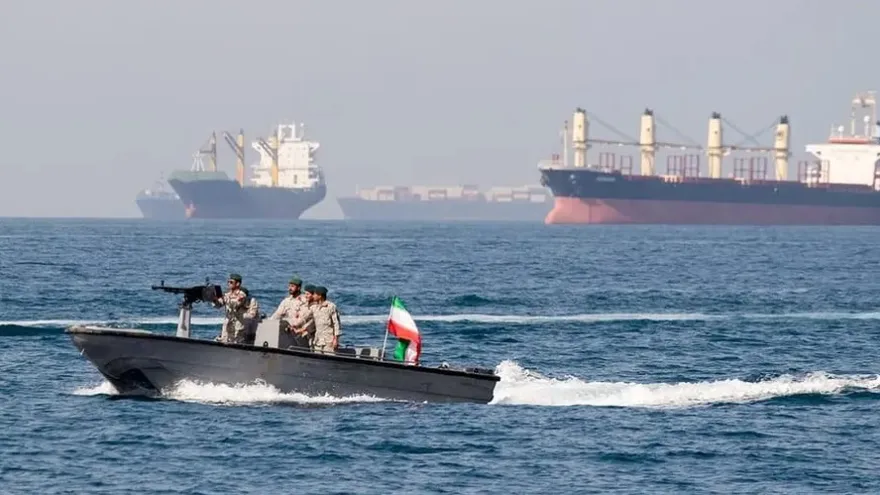
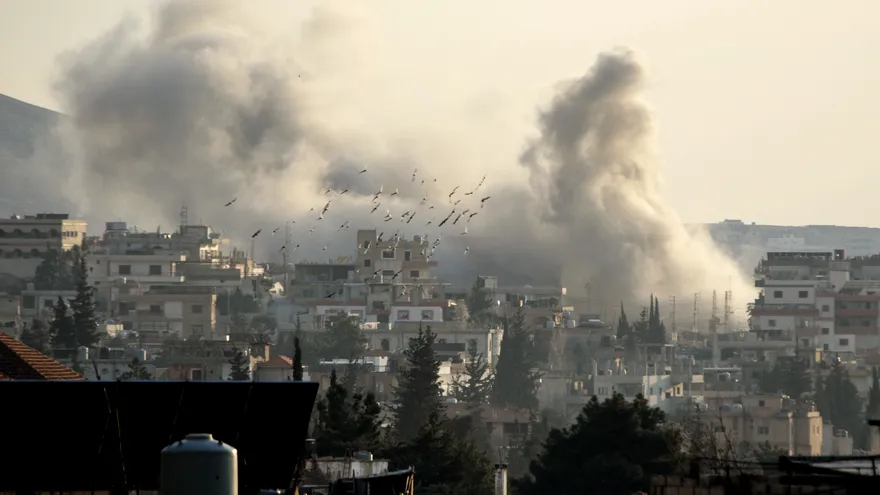
Lethal overnight bombings by the United States struck an airport, a train station in the port city of Bandar Abbas, and two bridges in southern Iran, near the Strait of Hormuz, according to Iranian state media. The US military had announced a new series of attacks against Iran on Thursday, marking the sixth consecutive night of military action.
State television IRIB reported on Telegram that "three explosions were heard around the airport" in Iranshahr, in the southeast, and that "at least one projectile from the American enemy hit the airport." The Mehr news agency reported via Telegram that the Bandar Abbas railway station was attacked, resulting in two Iranians being injured.
An official report mentioned airstrikes on two bridges in Hormozgan province, with the IRNA agency stating that two people were killed and four injured. These hostilities between the United States and Iran resumed on July 7 following attacks on ships in the Gulf, which were attributed to the Islamic Republic. The ongoing bombings represent an unprecedented escalation since an April ceasefire and undermine diplomatic efforts to achieve a lasting end to the conflict.
DistantNews Editorial
Originally published by TVN Panamá in Spanish. Translated, summarized, and contextualized by our editorial team with added local perspective. Read our editorial standards.
More Stories


From Our Blog

What Gets Lost (and Found) When News Is Translated

The Critical Role of Diaspora Media in Global News

What Travellers Should Know About Countries with Restricted Press

A Digital Nomad's Guide to Following Local News

How the Same Story Looks Different in Different Countries
