

US strikes Iran in retaliation for downed Apache; Iran targets US fleet
Translated from Korean, summarized and contextualized by DistantNews.
At a glance
News
Sources not specified
Ongoing story
- The US launched a retaliatory airstrike against Iran after an Apache helicopter was shot down near the Strait of Hormuz.
- Iran responded by targeting US military facilities in the Middle East, including the US Navy's 5th Fleet in Bahrain.
- Despite the military exchanges, both nations appear to be maintaining communication channels for potential peace talks, though significant disagreements remain on nuclear issues.
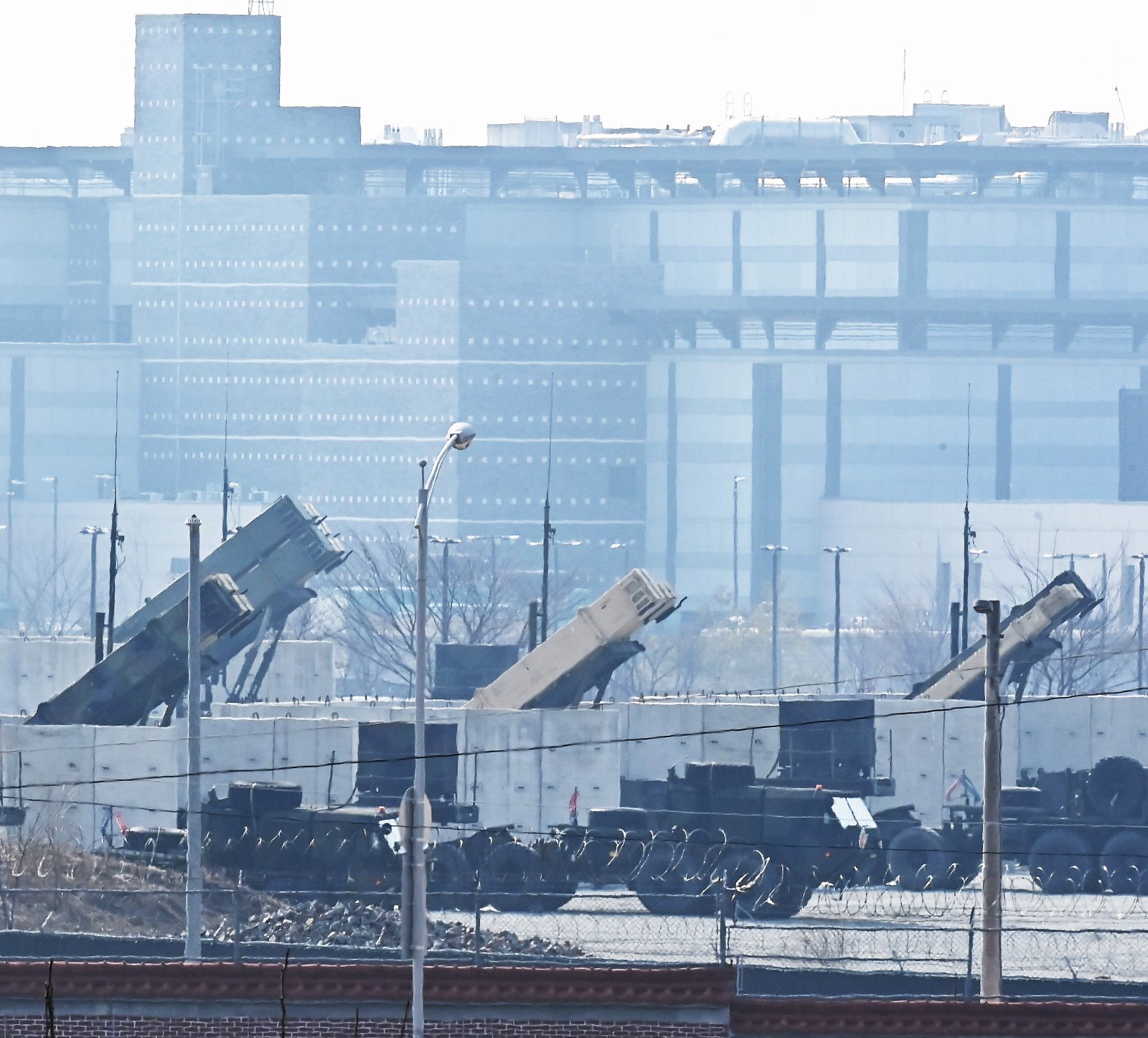
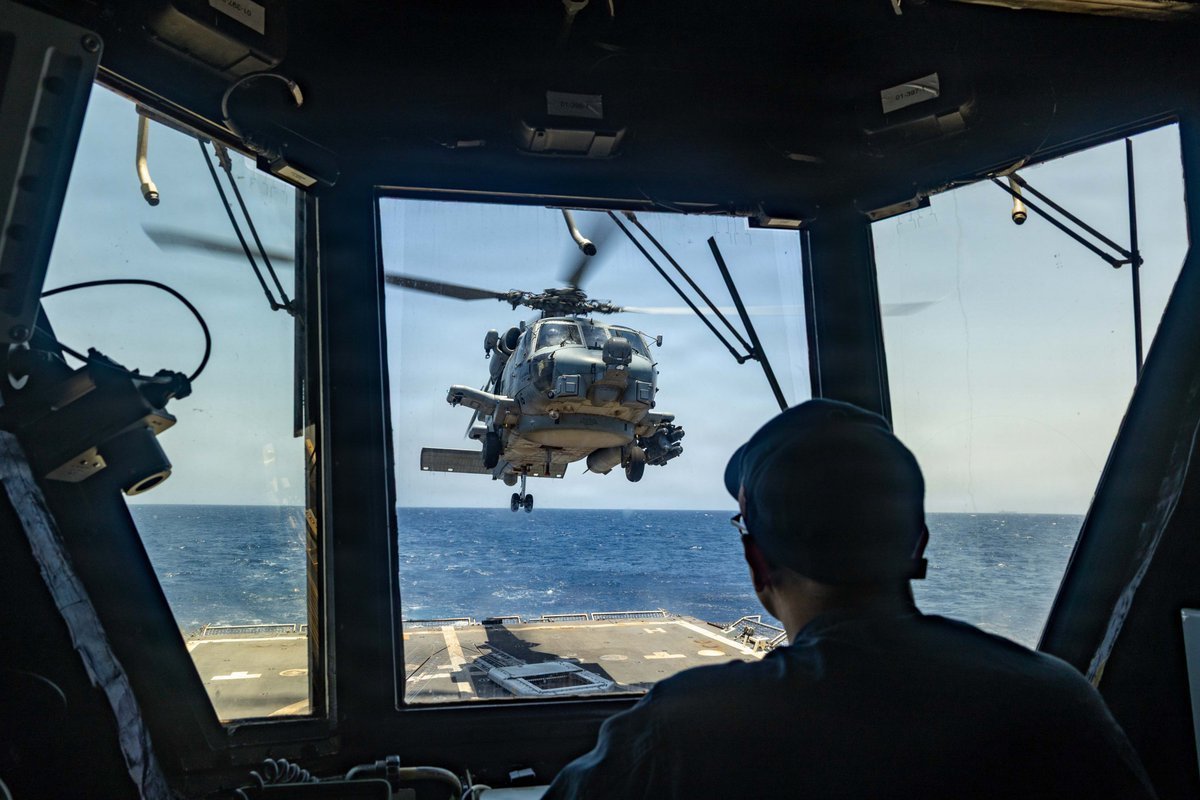
The United States carried out a "self-defense" airstrike against Iran on April 9th, responding to the downing of a US Army Apache attack helicopter the previous day. The helicopter was reportedly operating near the Strait of Hormuz, a critical oil transport route, and is believed to have been targeted by Iranian drones or surface-to-air missiles. The US military stated its strikes targeted Iranian air defense and radar facilities in retaliation for recent attacks on US forces and international shipping.
There has been no change in the progress of the agreement. An agreement with Tehran (Iran) is still close.
Iran, in turn, launched retaliatory attacks, reportedly using drones against the US Navy's 5th Fleet stationed in Bahrain and ballistic missiles at the Al Azraq US base in Jordan. The Iranian Revolutionary Guard Corps claimed to have shot down a US Reaper drone over Iran. However, the US Central Command emphasized that its strikes were a "proportionate response" and completed, signaling an intent to avoid escalating the conflict into full-blown war, especially given President Trump's stated desire for a swift peace agreement.
We have completed the self-defense airstrikes against Iran.
Despite the military actions, diplomatic efforts appear to be ongoing, though significant differences persist. Reports indicate disagreements over the processing of Iran's enriched uranium stockpile, with the US insisting on direct involvement and Iran preferring a supervisory role. The US also demands the closure of three key nuclear facilities, a demand Iran resists, seeking to keep at least one operational. The possibility of international inspections also remains a point of contention.
If the United States' hostile actions continue, we will take stronger action.
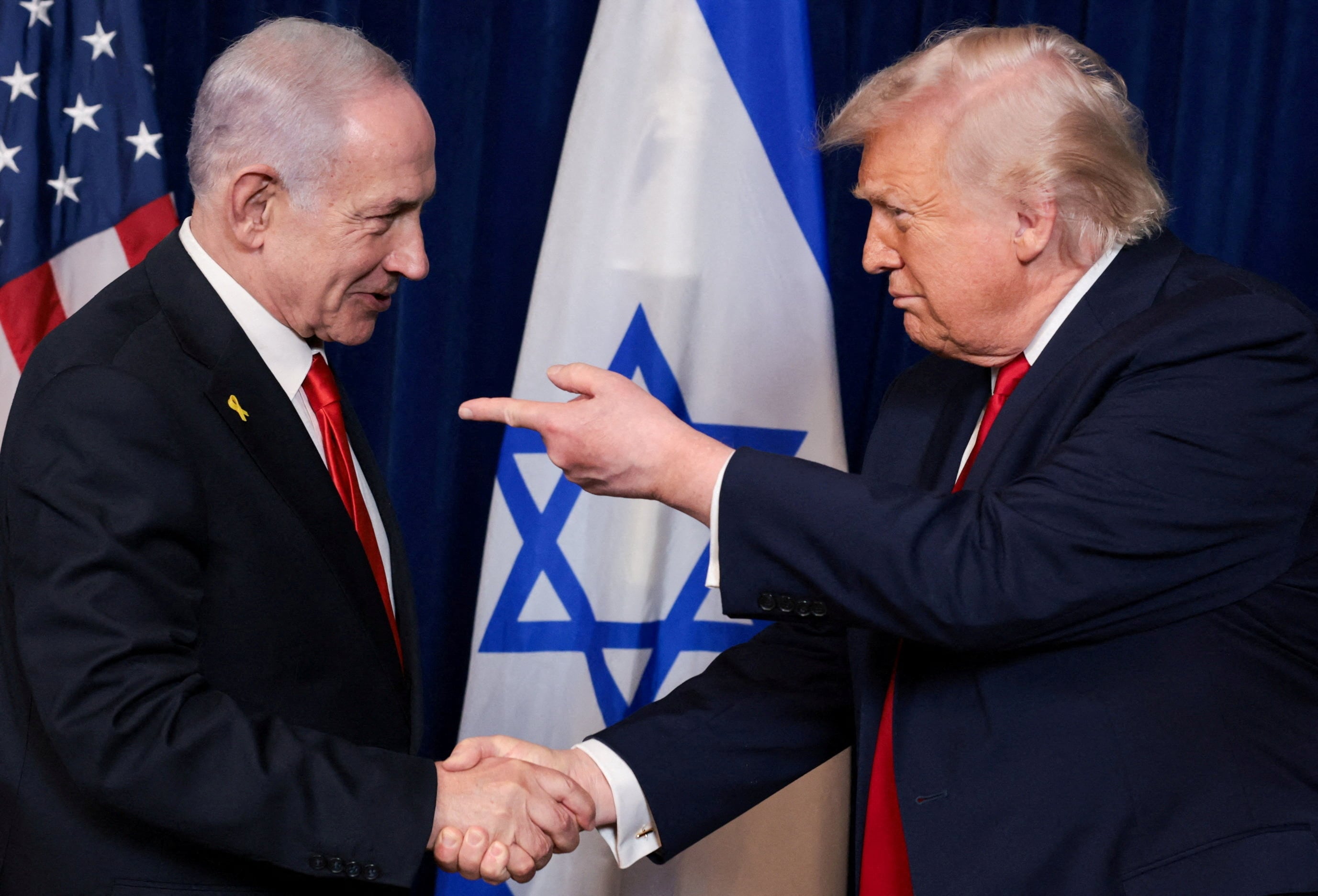
While the US has indicated that the status of peace negotiations has not changed, the ongoing military clashes and deep-seated disagreements over nuclear issues cast doubt on the immediate prospects for a comprehensive agreement. Both sides, however, seem keen to manage the escalation, suggesting that channels for negotiation, however strained, remain open.
We must directly participate in the process of processing nuclear material.
DistantNews Editorial
Originally published by Dong-A Ilbo in Korean. Translated, summarized, and contextualized by our editorial team with added local perspective. Read our editorial standards.
More Stories

From Our Blog

What Gets Lost (and Found) When News Is Translated

The Critical Role of Diaspora Media in Global News

What Travellers Should Know About Countries with Restricted Press

A Digital Nomad's Guide to Following Local News

How the Same Story Looks Different in Different Countries
