


US Supreme Court backs Trump in Green Card parole case
Translated from Indonesian, summarized and contextualized by DistantNews.
At a glance
News
From a news agency
Outcome reported
- The US Supreme Court ruled 6-3 in favor of the Trump administration regarding immigration parole for lawful permanent residents suspected of crimes.
- The decision allows immigration officials to place green card holders on parole based on suspicion, even without immediate proof of a qualifying crime.
- Critics argue this could lead to prolonged legal uncertainty for immigrants, while supporters say it strengthens federal discretion in removal proceedings.
The U.S. Supreme Court has sided with the Trump administration in a significant immigration case, bolstering federal authority in initiating removal proceedings against green card holders suspected of criminal activity. In a 6-3 decision, the court ruled that immigration officials do not need to establish clear and convincing evidence of a crime involving moral turpitude before placing a lawful permanent resident on immigration parole.
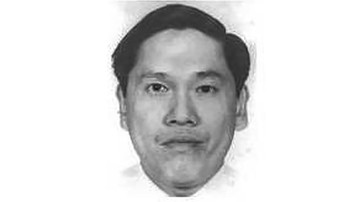
The case centered on Muk Choi Lau, a lawful permanent resident accused of trademark counterfeiting. Upon returning to the U.S. from a trip abroad in 2012, Lau was placed on immigration parole, effectively treating him as someone seeking admission rather than a returning resident. This classification enabled the government to commence deportation proceedings against him.
Justice Clarence Thomas, writing for the majority, stated that border officers are not burdened with proving guilt at the point of entry. This interpretation grants immigration officials greater flexibility, allowing them to act on criminal allegations and use evidence developed later in immigration proceedings, rather than relying solely on information available at the border.
However, Justice Ketanji Brown Jackson, in her dissent joined by two other liberal justices, expressed concern that the ruling could trap immigrants in "immigration limbo," facing prolonged legal uncertainty. She argued that decisions should be based on information available at the time of reentry. The Trump administration had contended that a higher evidentiary standard at the border would hinder effective enforcement and rapid response to suspected criminal conduct.
border officers did not have the burden to establish by clear and convincing evidence that Lau had committed a crime involving moral turpitude.
DistantNews Editorial
Originally published by Tempo in Indonesian. Translated, summarized, and contextualized by our editorial team with added local perspective. Read our editorial standards.
More Stories


From Our Blog

What Gets Lost (and Found) When News Is Translated

The Critical Role of Diaspora Media in Global News

What Travellers Should Know About Countries with Restricted Press

A Digital Nomad's Guide to Following Local News

How the Same Story Looks Different in Different Countries
