


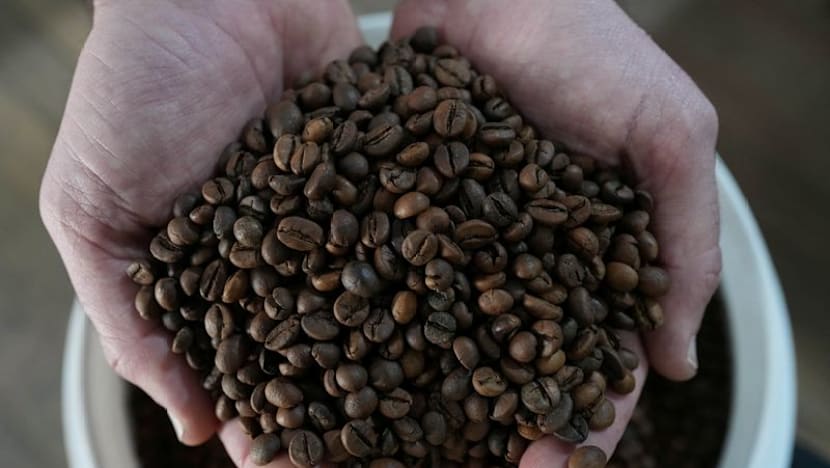
US tariffs on Brazilian instant coffee would hit US consumers and businesses, industry says
Summarized and contextualized by DistantNews.
At a glance
News
Named sources
Context piece
- Brazil's instant coffee industry warns that proposed US tariffs could raise costs for American businesses and consumers.
- Over 90% of Brazil's instant coffee exports go to the US, making up more than a fifth of its imports.
- Industry representatives argue the tariffs lack technical justification and could disproportionately affect lower-income households.
Proposed U.S. tariffs on Brazilian instant coffee could significantly increase costs for American businesses and consumers, according to the Brazilian instant coffee industry. The industry is a major supplier to the United States, with over 90% of its exports destined for the U.S. market. This volume represents more than a fifth of the U.S.'s total instant coffee imports, amounting to approximately 15,500 metric tons annually.
Aguinaldo José de Lima, executive director of the Brazilian Soluble Coffee Industry Association (Abics), stated that the tariffs would first impact companies and jobs, with higher costs ultimately being passed on to American consumers. The proposed 25% tariff is part of a Section 301 investigation by the Office of the U.S. Trade Representative (USTR). This is in addition to a separate 12.5% tariff announced by the Trump administration on goods from over 60 countries.
By imposing additional tariffs, the first impact falls on companies and jobs, and those higher costs will ultimately be passed on to American consumers.
Representatives from Abics, the Brazilian coffee exporters' group Cecafe, and the U.S.-based National Coffee Association participated in public hearings at the USTR. They argued that the tariffs would not only increase consumer prices but also squeeze business profit margins. Furthermore, they contended that the measures would disproportionately affect lower-income households that rely on affordable coffee options.
The (US) depends on imports, and there are currently no suppliers capable of replacing Brazil's volumes at comparable prices.
Brazil's instant coffee industry highlights that the U.S. produces less than 6% of its own instant coffee. Lima emphasized that the U.S. depends on imports, and no other suppliers can currently replace Brazil's volume at comparable prices. He also pointed out that while other coffee products, including flavored instant coffee, are exempt from tariffs, instant coffee is being singled out without clear technical justification.
Instant coffee's popularity in the U.S. has been growing, with 11% of daily coffee drinkers now consuming it, up from 6% in 2021, according to the National Coffee Association. Brazilian instant coffee is currently subject to a temporary 10% global import duty imposed by the White House.
All other coffee products were exempted. Only instant coffee was left out. Even flavoured instant coffee is exempt, so there is no technical justification for treating instant coffee differently.
DistantNews Editorial
Originally published by CNA. Summarized and contextualized by our editorial team with added local perspective. Read our editorial standards.
More Stories
From Our Blog

What Gets Lost (and Found) When News Is Translated

The Critical Role of Diaspora Media in Global News

What Travellers Should Know About Countries with Restricted Press

A Digital Nomad's Guide to Following Local News

How the Same Story Looks Different in Different Countries
