


US to revoke up to 200,000 visas over asylum fraud claims
Summarized and contextualized by DistantNews.
At a glance
News
From a news agency
New plan
- The US State Department plans to revoke up to 200,000 visas for individuals who entered the country on temporary visas but subsequently applied for asylum.
- This action is part of the Trump administration's broader immigration reduction efforts, framing asylum claims made after entering on other visa types as fraud.
- The administration is also expanding social media vetting for visa applicants, emphasizing that visas are a privilege, not a right.
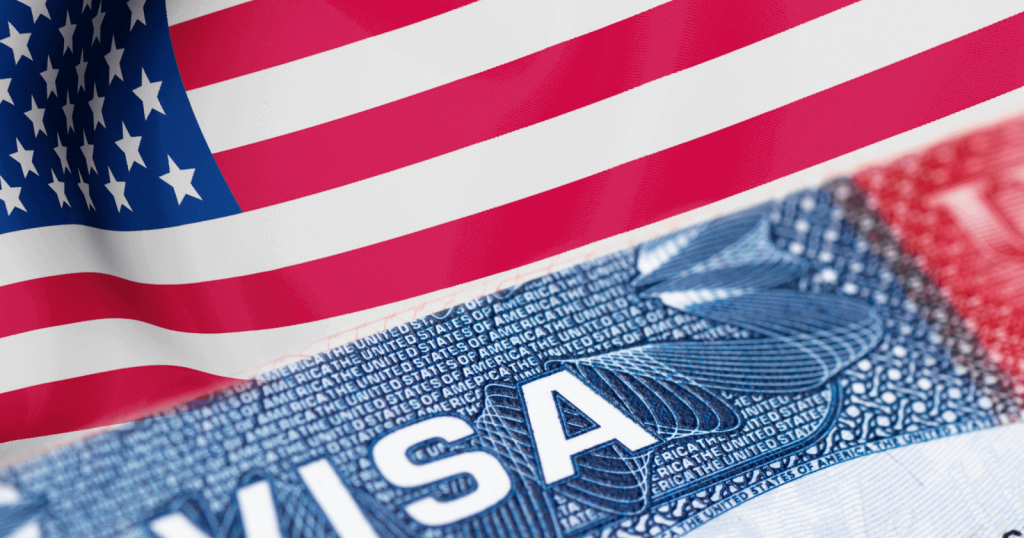
The U.S. government is preparing to revoke as many as 200,000 visas from foreign nationals who entered the country under temporary visitor or business visas but then sought to remain permanently by applying for asylum. The State Department confirmed the plan, characterizing such actions as visa fraud, which is grounds for revocation.
This move is presented as a significant step in the Trump administration's ongoing efforts to curb immigration. A White House post on X suggested the "largest mass visa revocation in history" could be underway, though the State Department has not confirmed the exact number, stating it remains "dynamic and will be done on a rolling basis."
Obtaining a visa in order to seek asylum is fraud, which is grounds for visa revocation.
This crackdown follows previous visa revocations under the administration, which have cited various grounds including criminal offenses and, in one instance, praising the killing of an activist. The administration has also targeted Mexican officials, drawing a complaint from the current Mexican president.
Beyond visa revocations, the administration is also intensifying scrutiny on visa applicants by planning to expand the vetting of their social media accounts. Officials emphasize that a visa is considered a privilege, not an inherent right, signaling a stricter approach to entry into the United States.
We are making clear that a visa is a privilege, not a right.
DistantNews Editorial
Originally published by The Punch. Summarized and contextualized by our editorial team with added local perspective. Read our editorial standards.
More Stories


From Our Blog

How the Same Story Looks Different in Different Countries

What Gets Lost (and Found) When News Is Translated

The Critical Role of Diaspora Media in Global News

What Travellers Should Know About Countries with Restricted Press

A Digital Nomad's Guide to Following Local News
