


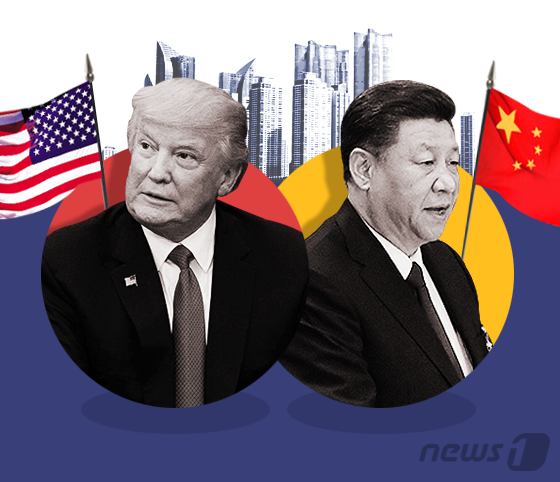
US Treasury Calls China 'Unreliable Partner,' Casting Doubt on Summit Prospects
Translated from Korean, summarized and contextualized by DistantNews.
TLDR
- U.S. Treasury Secretary Steven Mnuchin labeled China an "unreliable partner" ahead of potential U.S.-China summit talks.
- Mnuchin cited China's continued oil purchases despite strained supply due to U.S.-Iran tensions as a key reason for distrust.
- The remarks raise concerns about the prospect of productive discussions during the anticipated meeting between the two nations' leaders.
The United States has intensified its critical stance against China, with Treasury Secretary Steven Mnuchin directly calling Beijing an "unreliable partner." This strong condemnation comes at a sensitive time, just as preparations for a potential summit between U.S. President Donald Trump and Chinese President Xi Jinping are reportedly underway. Mnuchin's remarks, particularly his accusation that China is exacerbating global oil supply issues by continuing to purchase Iranian crude despite international tensions, signal a deepening rift between the two economic superpowers.
According to reports, Mnuchin stated that China has proven to be an untrustworthy global partner on three occasions over the past five years. He pointed to China's substantial strategic oil reserves, which reportedly rival the combined reserves of 32 International Energy Agency member nations, yet continue to grow through ongoing purchases. This behavior, the U.S. Treasury believes, contributes to rising global oil prices, directly impacting the U.S. economy. Past grievances, including China's alleged hoarding of medical supplies during the COVID-19 pandemic and its export controls on rare earth minerals last year, were also cited as reasons for distrust.
The escalating tensions are casting a shadow over the upcoming U.S.-China summit. Reports suggest that the meeting, initially slated for mid-next month, may become more of a formality than a substantive discussion. Preparations are reportedly disorganized, with discussions focusing on ceremonial aspects like visiting historical sites rather than concrete issues such as trade tariffs. While China aimed to place around 12 items on the agenda, including Taiwan and people-to-people exchanges, U.S. interest appears limited, with only potential agreements on increased purchases of Boeing aircraft and U.S. soybeans being discussed.
Furthermore, the possibility of the summit being postponed cannot be ruled out. Experts like Jeffrey Moon, a former USTR official specializing in China, estimate a greater than 50% chance of postponement. The U.S. delegation's composition also raises questions, with USTR representative Jamieson Greer, known for his hardline stance on China, taking a leading role, while Commerce Secretary Howard Rutnik, who handled major trade negotiations, appears sidelined. This dynamic suggests that achieving significant breakthroughs in trade relations during the current administration might be challenging.
China has proven to be an untrustworthy global partner on three occasions over the past five years.
DistantNews Editorial
Originally published by Dong-A Ilbo in Korean. Translated, summarized, and contextualized by our editorial team with added local perspective. Read our editorial standards.
More Stories



From Our Blog

What Gets Lost (and Found) When News Is Translated

The Critical Role of Diaspora Media in Global News

What Travellers Should Know About Countries with Restricted Press

A Digital Nomad's Guide to Following Local News

How the Same Story Looks Different in Different Countries
