


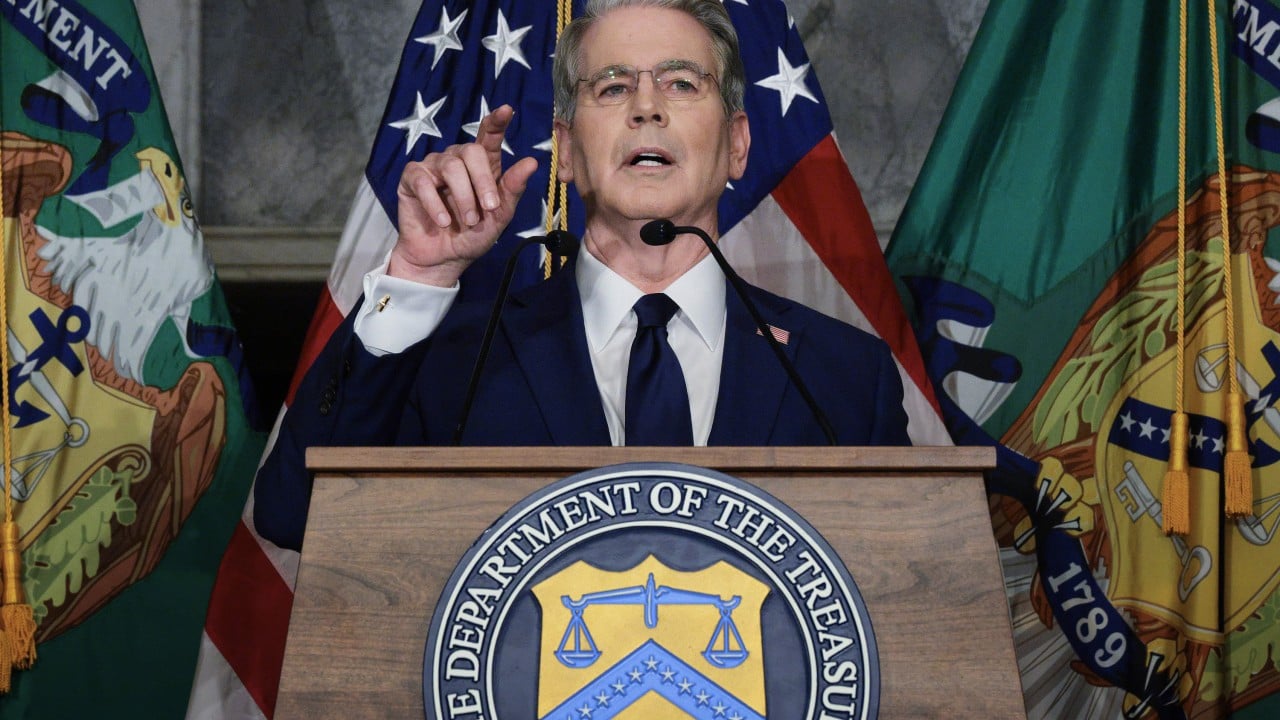
US Treasury sanctions Hong Kong firm over alleged Iran money laundering
Translated from English and summarized by DistantNews. Read the original for the full story.
At a glance
News
Sources not specified
New plan
- The U.S. Treasury sanctioned Hong Kong-based Kameng Trading Limited for allegedly laundering money for Iran's Pedram Pirouzan Exchange House.
- This action is part of a broader U.S. strategy to increase financial pressure on Iran by targeting entities in third countries.
- The sanctions come as U.S.-Iran tensions rise, with Beijing vowing retaliation against new U.S. sanctions on Chinese entities.
The United States has imposed sanctions on Hong Kong-based Kameng Trading Limited, accusing it of facilitating money laundering for Iran's Pedram Pirouzan Exchange House, also known as Opal Exchange. The U.S. Treasury stated that Kameng acted as a front company, enabling the Iranian exchange to access the international financial system.
This move is the latest in Washington's intensified campaign to squeeze Iran's financial sector. U.S. Treasury Secretary Scott Bessent announced a new operation, "Economic Outcast," which expands secondary sanctions on entities supporting Tehran. Bessent vowed to "sever every economic lifeline Tehran has left."
The sanctions against Kameng Trading Limited, incorporated in July 2024 with a registered office in Hong Kong's Tsim Sha Tsui district, highlight the increasing scrutiny of Chinese entities involved in transactions with Iran. The company's sole shareholder and director is listed as Musthafa Azheekkodantakath, an Indian passport holder residing in Dubai.
The development occurs amid rising tensions between the U.S. and China. Beijing has already vowed retaliation against recent U.S. sanctions targeting various Chinese entities, with Chinese President Xi Jinping expected to visit the U.S. in the coming weeks.
The Treasury promised to sever every economic lifeline Tehran has left and finally end the threat of the Iranian regime.
About this summary
Originally published by South China Morning Post in English. Translated, summarized, and contextualized automatically by DistantNews, with a note on how the source frames the story. Not individually reviewed before publishing. How this works.
More Stories
From Our Blog

Countries Without a Free Press: What You Need to Know

What Press Freedom Means for the News You Read

What Gets Lost (and Found) When News Is Translated

The Critical Role of Diaspora Media in Global News

What Travellers Should Know About Countries with Restricted Press
