

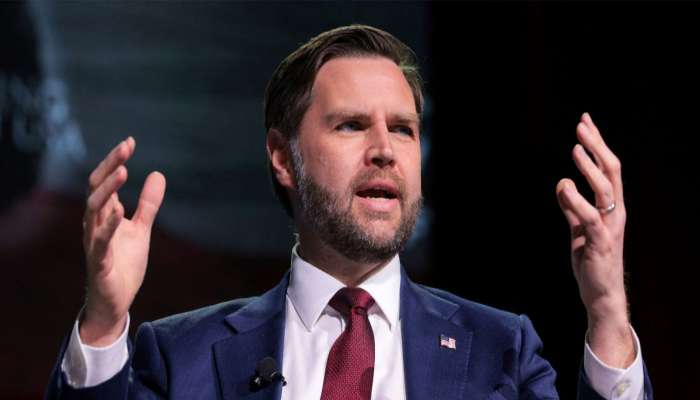
US VP Vance: Iran deal 'digitally signed,' sanctions relief performance-based
Translated from English, summarized and contextualized by DistantNews.
At a glance
News
Named sources
New plan
- U.S. Vice President JD Vance stated that a deal with Iran has been "digitally signed" and is performance-based.
- Sanctions relief for Iran is contingent on its compliance with the agreement's terms, such as eliminating enriched material stockpiles.
- Vance expressed optimism that the deal will bring peace and security to the region for various stakeholders.
The United States has "digitally signed" a deal with Iran, with sanctions relief for Tehran directly tied to its adherence to the agreement's commitments, according to U.S. Vice President JD Vance. Speaking on ABC's Good Morning America, Vance clarified that no financial concessions have been made to Iran following the agreement's finalization.
We already signed the deal digitally yesterday, and there's been no money released, and that won't change.
"We already signed the deal digitally yesterday, and there's been no money released, and that won't change," Vance stated. He emphasized that the deal operates on a performance-based framework. Sanctions relief will be granted if Iran takes concrete actions, such as eliminating its stockpile of enriched material and allowing the necessary verification for nuclear non-proliferation.
Again, this is a performance-based thing. If we see the Iranians making, for example, taking action to eliminate their stockpile of enriched material, then sanctions relief will follow. If we see the Iranians taking action to allow the kind of verification regime that we need to see to know that they're not going to build a nuclear weapon, sanctions relief will follow.
Vance suggested the agreement offers Iran a path to reintegration into the global economy, provided it meets the stipulated terms. "This is really about walking down a pathway here where the Iranians will be welcomed into the world economy if they do the right thing," he said.
This is really about walking down a pathway here where the Iranians will be welcomed into the world economy if they do the right thing.
Addressing potential complications, such as Israel's stance or regional security issues, Vance acknowledged the inherent challenges in achieving lasting peace in the Middle East. However, he conveyed optimism about the deal's broader benefits. "But what we fundamentally believe is that this is going to be a good deal for the people of Israel, for the people of the Gulf, the people of America, and again, potentially for the people of Iran as well," Vance remarked. President Donald Trump had previously announced the deal was complete, aiming to bring "Peace and Security to the whole Region."
Everything is going to complicate the deal. As you know, in this region of the world, even a ceasefire, sometimes, they're a little bit dirty. It goes from shooting a lot to shooting a little to shooting not at all.
DistantNews Editorial
Originally published by Times of Oman in English. Translated, summarized, and contextualized by our editorial team with added local perspective. Read our editorial standards.
More Stories
From Our Blog

What Gets Lost (and Found) When News Is Translated

The Critical Role of Diaspora Media in Global News

What Travellers Should Know About Countries with Restricted Press

A Digital Nomad's Guide to Following Local News

How the Same Story Looks Different in Different Countries
