

US warns Iran controlling Hormuz sets dangerous global precedent
Translated from Malay, summarized and contextualized by DistantNews.
At a glance
News
Sources not specified
Ongoing story
- U.S. Secretary of State Marco Rubio warned that Iran controlling the Strait of Hormuz would set a dangerous precedent for international waterways.
- Rubio's remarks coincided with U.S. Central Command's continued strikes on Iranian military targets aimed at weakening its threat to commercial shipping.
- The U.S. remains open to diplomacy with Iran but states Tehran is not serious about negotiations, emphasizing readiness to protect its interests and allies.
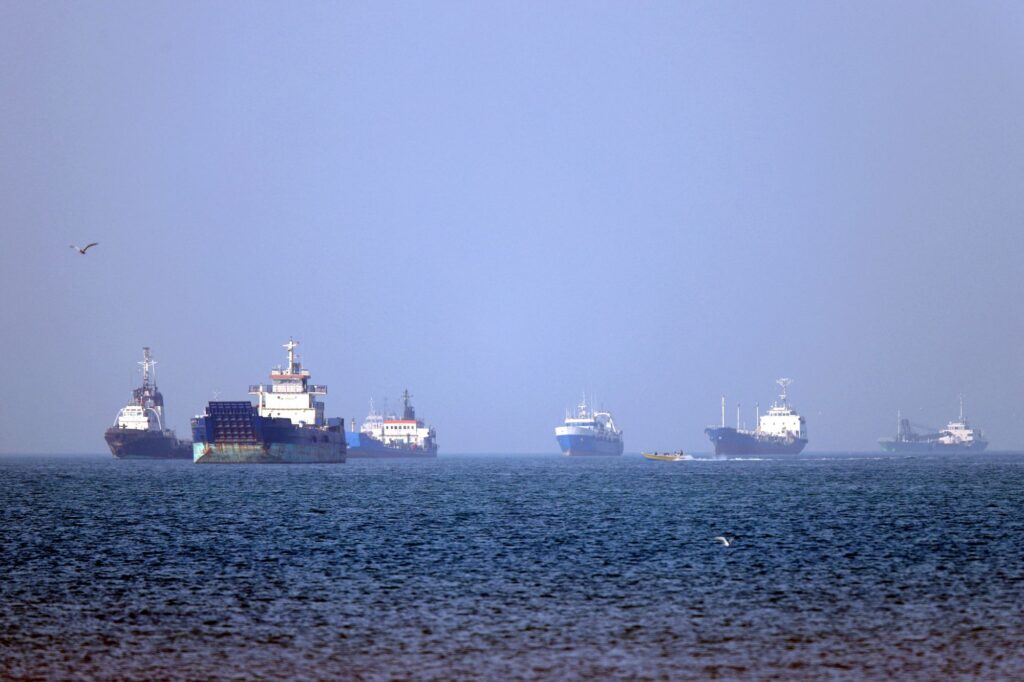
U.S. Secretary of State Marco Rubio has cautioned Southeast Asian foreign ministers that Iran's potential control over the Strait of Hormuz could establish a perilous global precedent. He argued that allowing one nation to dominate an international waterway, impose tolls, and threaten vessels would invite similar actions in other regions, including Southeast Asia.
If we establish a precedent in West Asia that allows a country to control international waterways, impose tolls, and destroy your ships if you don't pay, we have established a very dangerous precedent, and it will be repeated in other parts of the world, including this region.
Rubio's statements were made as U.S. Central Command (CENTCOM) continued its eleventh consecutive night of strikes against Iranian military targets. These operations aim to degrade Iran's capacity to threaten commercial shipping in the vital Strait of Hormuz. The U.S. official highlighted the ongoing territorial disputes in the South China Sea involving China and ASEAN members as an example of a region where such a dangerous precedent could be replicated.
America remains open and ready to engage in positive and constructive negotiations, provided that commitments made are honored.
Arriving in the Philippines, Rubio also addressed recent clashes between Chinese and Philippine coast guards in disputed waters. He reiterated that the United States is prepared for diplomatic engagement with Iran, but accused Tehran of not taking negotiations seriously. "America remains open and ready to engage in positive and constructive negotiations, provided that commitments made are honored," Rubio stated. "The problem we are facing now is that they are not taking negotiations seriously."
The problem we are facing now is that they are not taking negotiations seriously.
Rubio concluded by asserting that if Iran demonstrates seriousness in diplomatic efforts, the U.S. will reciprocate. However, he affirmed that the U.S. will take necessary actions to safeguard its own interests and those of its allies if Iran does not engage in good faith.
If they are serious, we will also be serious. If not, we will do what is necessary to protect our interests and the interests of our allies.
DistantNews Editorial
Originally published by Utusan Malaysia in Malay. Translated, summarized, and contextualized by our editorial team with added local perspective. Read our editorial standards.
More Stories
From Our Blog

What Gets Lost (and Found) When News Is Translated

The Critical Role of Diaspora Media in Global News

What Travellers Should Know About Countries with Restricted Press

A Digital Nomad's Guide to Following Local News

How the Same Story Looks Different in Different Countries
