



US Whiskey Faces Steep Export Decline Amid EU Tariff Concerns
Translated from German, summarized and contextualized by DistantNews.
At a glance
News
Sources not specified
Context piece
- US whiskey exports to the EU have fallen by about a third, impacting distillers and related industries.
- The EU has suspended punitive tariffs on US whiskey until August 2026, with potential for further losses if no agreement is reached.
- Past EU tariffs under Donald Trump caused a 20% drop in exports, costing the industry hundreds of millions of dollars.
The United States is celebrating 250 years of independence, but the Distilled Spirits Council of the United States (DISCUS) logo for "250 Years of American Craft" carries a somber message. The American whiskey industry faces significant challenges, with exports to the European Union plummeting by roughly one-third. The EU, the largest export market for US whiskey, accounts for 51% of its sales, making any weakness there a major blow.
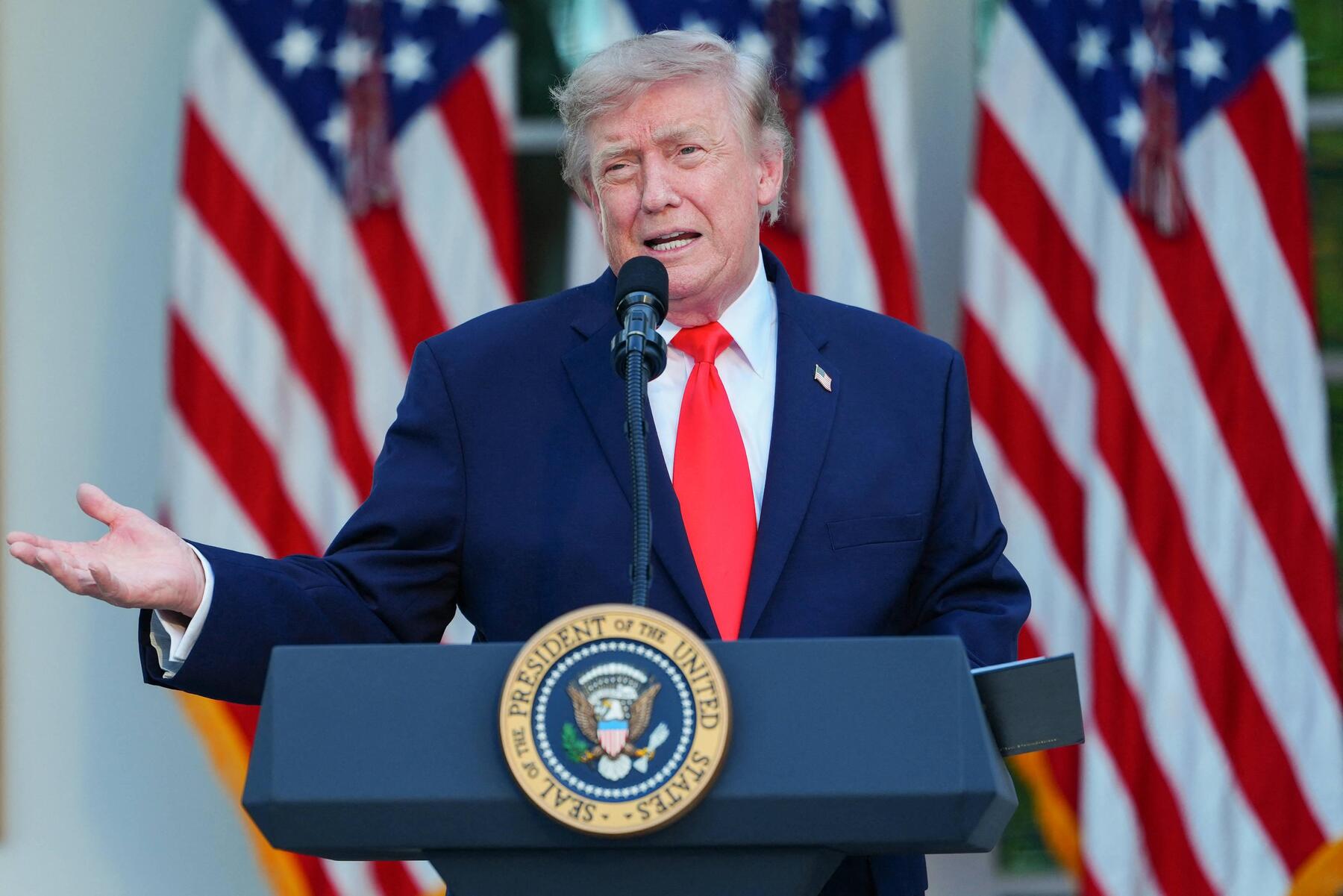
Adding to the industry's woes, the EU's punitive tariffs on US whiskey, suspended in August 2026, could be reinstated if no agreement is reached. This situation echoes the damage caused during Donald Trump's previous term, when EU tariffs led to a 20% drop in whiskey exports between 2018 and 2021, resulting in hundreds of millions of dollars in losses for the industry, particularly impacting Kentucky's bourbon producers.
The impact is noticeable – from the farmers who grow the corn, to the coopers who fill the bourbon into barrels, to the bottlers and the truck drivers.
The consequences extend beyond distillers, affecting corn farmers, coopers, and truck drivers. The industry also faces a long-term threat as other beverage categories gain market share. Whiskey's share of total US spirit exports has fallen to 45%, its lowest point ever, down from a peak of nearly 80% in 2005. This decline highlights the precarious state of American whiskey's global standing.
This is the lowest value ever recorded.
DistantNews Editorial
Originally published by Die Presse in German. Translated, summarized, and contextualized by our editorial team with added local perspective. Read our editorial standards.
More Stories

From Our Blog

What Gets Lost (and Found) When News Is Translated

The Critical Role of Diaspora Media in Global News

What Travellers Should Know About Countries with Restricted Press

A Digital Nomad's Guide to Following Local News

How the Same Story Looks Different in Different Countries
