


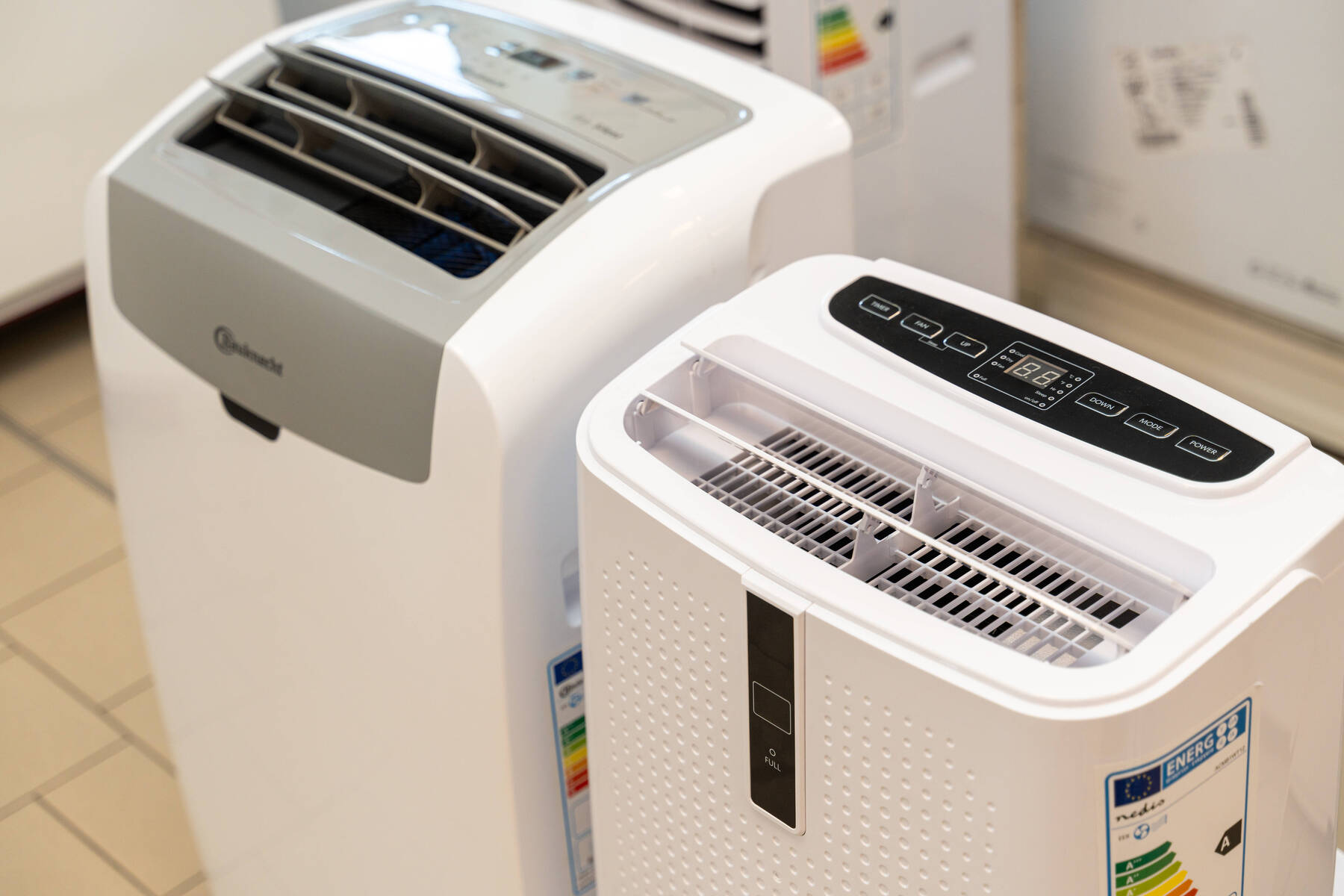
Vienna Chimney Sweeps Warn of Carbon Monoxide Risk from Mobile Air Conditioners
Translated from German, summarized and contextualized by DistantNews.
At a glance
News
Sources not specified
Context piece
- Vienna chimney sweeps warn of a dangerous risk of carbon monoxide poisoning from mobile air conditioning units.
- The units can create negative pressure in apartments, preventing proper exhaust of gases from gas water heaters and boilers.
- Over 6,000 dangerous installations were discovered in Vienna last year, with a recent case involving a child hospitalized for CO poisoning.
Vienna's chimney sweeps are issuing a stark warning about the potential for deadly carbon monoxide poisoning linked to the increasing use of mobile air conditioning units during heatwaves. These devices, while offering relief from high temperatures, can disrupt the delicate air balance within homes, particularly those equipped with gas water heaters or boilers.
Mobile air conditioning units can alter the air exchange in an apartment so that exhaust gases from boilers or instantaneous water heaters are no longer properly discharged via the chimney. As a result, odorless and highly toxic carbon monoxide can accumulate in the apartment.
The core of the danger lies in the negative pressure created by mobile air conditioners. As these units draw warm air from a room and expel it outside via a hose, they can prevent exhaust gases from properly venting through chimneys. This malfunction can lead to the accumulation of odorless, highly toxic carbon monoxide within living spaces, posing a severe health risk.
Especially on hot summer days, an 'air plug' can form in the chimney. The exhaust gases then do not escape properly and, in the worst case, return into the apartment. This can become life-threatening within a short time.
Michael Cesnek, guild master of Vienna's chimney sweeps, explained that this risk is exacerbated during hot summer days when natural chimney draft can be compromised. He noted that even modern, room-air-dependent appliances are vulnerable if their air supply is insufficient. "The safety devices that are supposed to prevent the escape of exhaust gases can be impaired or fail completely under strong negative pressure," Cesnek stated.
Even modern, room-air-dependent instantaneous water heaters require a functioning air supply. If this is no longer guaranteed, more carbon monoxide can be produced and enter the room. Under strong negative pressure - such as that generated by mobile air conditioners or extractor hoods - the safety devices designed to prevent the escape of exhaust gases can also be impaired or fail completely.
Last year alone, Vienna's chimney sweeps identified more than 6,000 installations posing significant safety hazards, leading to their immediate closure. The warning comes after a recent incident where a young girl was hospitalized with carbon monoxide poisoning, highlighting the urgent need for public awareness and caution when using mobile cooling devices in conjunction with gas heating systems.
In Vienna alone, more than 6,000 installations were found last year that posed a significant safety risk and therefore had to be shut down.
DistantNews Editorial
Originally published by Die Presse in German. Translated, summarized, and contextualized by our editorial team with added local perspective. Read our editorial standards.
More Stories


From Our Blog

What Gets Lost (and Found) When News Is Translated

The Critical Role of Diaspora Media in Global News

What Travellers Should Know About Countries with Restricted Press

A Digital Nomad's Guide to Following Local News

How the Same Story Looks Different in Different Countries
