


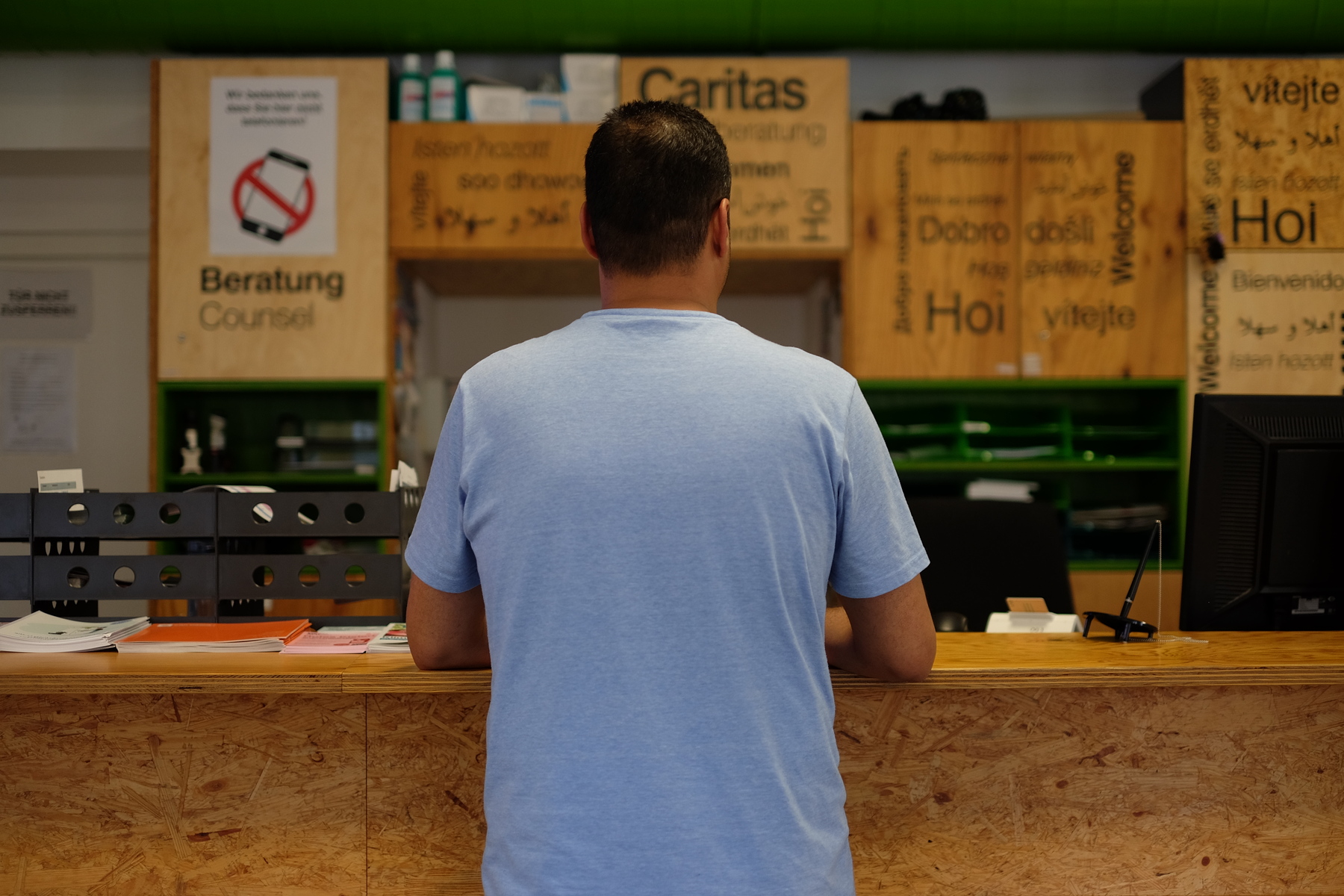
Vienna Cuts Social Aid for Syrians, Leaving Families Struggling
Translated from German, summarized and contextualized by DistantNews.
At a glance
News
Sources not specified
Context piece
- A Syrian man named Omar, who has subsidiary protection status in Austria, faces financial hardship after Vienna stopped providing him with minimum income support.
- Omar works full-time in a bakery and pays taxes but struggles to cover his family's needs on his salary alone after the social benefit cut.
- Vienna's decision to end minimum income support for this group, following a federal legal opinion, leaves over 10,000 people in a precarious situation without a clear alternative support system.
Omar, a Syrian man with subsidiary protection status in Austria, works diligently in a Viennese bakery, baking bread and serving customers. He pays taxes and social security contributions, has learned German, and made friends, including Austrians. Yet, behind his professional demeanor, Omar is struggling to make ends meet. He considers taking on additional work delivering food on an e-scooter or working in construction after his bakery shifts, all in an effort to support his family.
Thank God I can work.
Omar's story, shared at a Caritas social counseling center in late June, highlights a challenging political situation. He was informed in January via a notice from the Vienna Municipal Department 40 (Social Affairs and Health) that his application for minimum income support, previously a routine matter, had been rejected. The reason cited was his subsidiary protection status, which means he is not granted asylum in Austria but also cannot be deported to Syria due to the risks there.
Vienna had provided this support for years but stopped payments for this group in January, acting on a legal opinion from the Federal Chancellery's constitutional service. This service suggested that minimum income support might not be the appropriate tool for individuals with subsidiary protection. Vienna's social affairs councilor, Peter Hacker, stated that the city was merely aligning with practices in other Austrian federal states. However, a new, Europe-compliant regulation for the over 10,000 subsidiary protection recipients in Austria was expected by the end of June but has still not been implemented in early August.
Vienna is only doing what other federal states have been doing for a long time.
For Omar, his wife, and their two young children, this change means a monthly shortfall of approximately 700 euros. This amount is roughly what Omar's net salary from the bakery falls short of Vienna's recognized minimum standard for a family of four, which is around 2,400 euros. Despite his full-time employment and tax contributions, Omar finds himself in a precarious financial position, highlighting the gap in social support for those with subsidiary protection status.
There, they were more of the opinion that social assistance is not the right instrument for subsidiary protection beneficiaries.
DistantNews Editorial
Originally published by Die Presse in German. Translated, summarized, and contextualized by our editorial team with added local perspective. Read our editorial standards.
More Stories

From Our Blog

What Gets Lost (and Found) When News Is Translated

The Critical Role of Diaspora Media in Global News

What Travellers Should Know About Countries with Restricted Press

A Digital Nomad's Guide to Following Local News

How the Same Story Looks Different in Different Countries
