

Vienna's Albertina Museum traces its roots to a Polish prince
Translated from Polish, summarized and contextualized by DistantNews.
At a glance
In-depth
Sources not specified
Context piece
- The Albertina Museum in Vienna is celebrating its 250th anniversary.
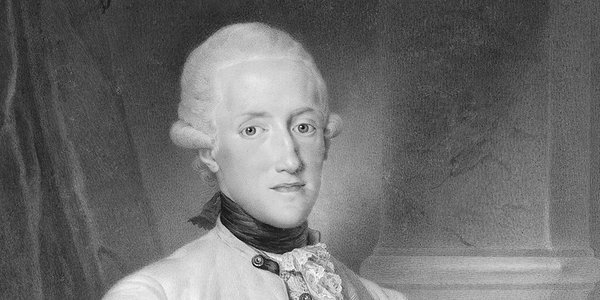
- The museum's name and founding are linked to Prince Albert of Saxony-Teschen, son of Polish King Augustus III.
- Prince Albert, a knight of the Order of the White Eagle, established the museum's significant collection of prints and drawings.
Vienna's renowned Albertina Museum is marking 250 years of existence with significant celebrations. The institution owes its name and its very foundation to Prince Albert of Saxony-Teschen, a notable figure with Polish royal lineage. Prince Albert was the son of Augustus III, the King of Poland, and Maria Josepha of Habsburg. He was also a knight of the prestigious Order of the White Eagle, an honor bestowed upon him in infancy. His vision led to the creation of the Albertina, which houses an internationally significant collection of prints and drawings. The palace housing the gallery underwent a major renovation between 1801 and 1804, solidifying its role as a cultural institution. Visitors to the Albertina can observe symbols of the First Polish Republic, the coat of arms featuring the Polish Eagle and the Lithuanian Vytis (Pogon), placed at the museum's summit by its founder, Prince Albert.
DistantNews Editorial
Originally published by Rzeczpospolita in Polish. Translated, summarized, and contextualized by our editorial team with added local perspective. Read our editorial standards.
More Stories


From Our Blog

What Gets Lost (and Found) When News Is Translated

The Critical Role of Diaspora Media in Global News

What Travellers Should Know About Countries with Restricted Press

A Digital Nomad's Guide to Following Local News

How the Same Story Looks Different in Different Countries
