

Vietnam Discusses Culture's Role as National 'Operating System' in Digital Age
Translated from Vietnamese, summarized and contextualized by DistantNews.
TLDR
- Vietnamese officials and journalists discussed the role of culture in the digital age, emphasizing its importance as a national resource and soft power.
- Participants agreed that culture acts as a national
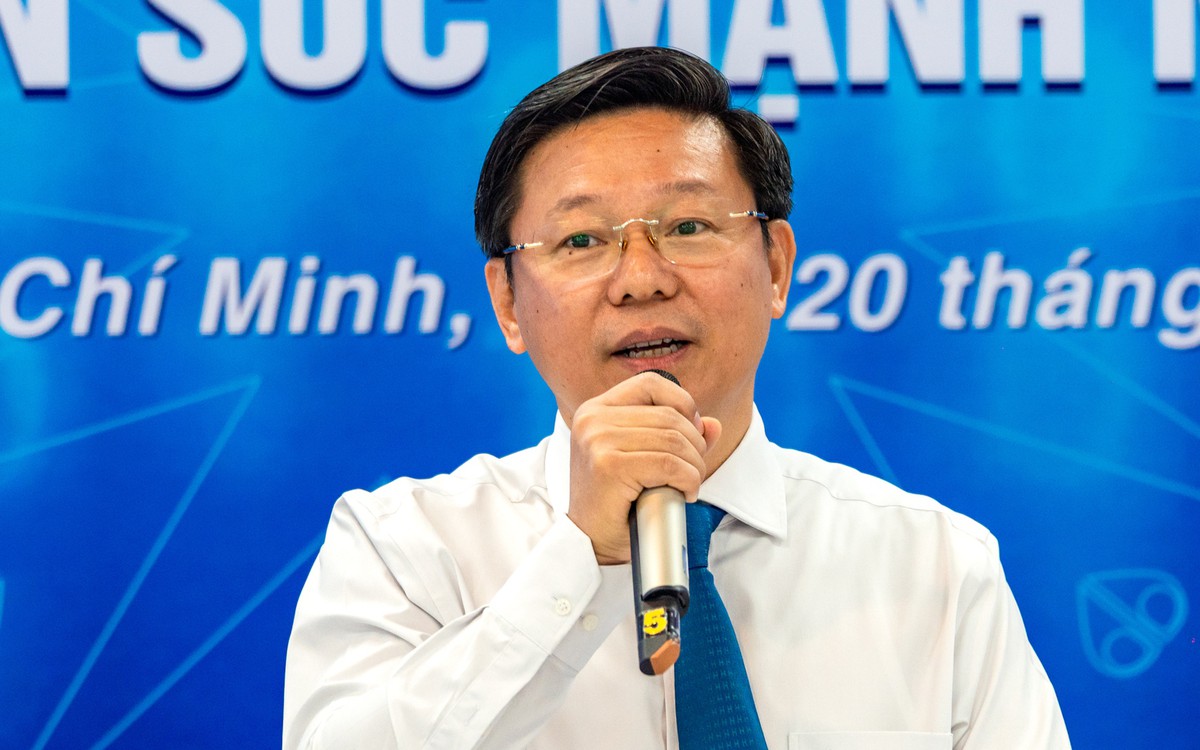
In the heart of Ho Chi Minh City, a vital dialogue unfolded as the Central Propaganda and Information Department, in collaboration with the Vietnam Journalists Association and Ho Chi Minh City Television, convened a seminar on "Culture in the Digital Age: From Identity to National Soft Power." This wasn't just another meeting; it was a strategic reckoning with how Vietnam can leverage its rich cultural heritage in an increasingly interconnected world.
Senior officials, including Central Committee members Trần Thanh Lâm and Nguyễn Quang Đức, underscored a critical point: culture is not a mere accessory to economic development, but its very "operating system." While the economy provides the "hardware," culture dictates the nation's humanity, sustainability, and unique identity. This perspective is deeply rooted in Vietnam's long-standing emphasis on national identity and resilience, viewing cultural strength as intrinsically linked to national sovereignty and global influence.
Culture is the 'operating system' of a nation.
The seminar highlighted the potential of digital technologies to amplify Vietnamese culture, but also cautioned against the neglect of traditional values. The call to move beyond viewing culture as a "secondary" concern and instead invest in it as a primary driver of future growth resonated strongly. This reflects a national aspiration to not only be an economic powerhouse but also a beacon of distinct cultural identity on the global stage. The discussions also touched upon the role of journalism in this digital era, urging media outlets to be vanguards in promoting cultural values and combating societal deviations, a role that aligns with the Vietnamese press's often proactive stance in national discourse.
From a Vietnamese standpoint, this seminar is more than just a discussion; it's a roadmap. It acknowledges the challenges of cultural industrialization, the need for globally competitive "blockbuster" cultural products, and the imperative to safeguard national identity amidst deep international integration. The emphasis on nurturing "cultural antibodies" and digital skills among citizens underscores a holistic approach to national development, where cultural fortitude is seen as a key component of national strength and soft power in the 21st century.
Investing in culture is investing in the future, and the mindset of culture as 'auxiliary' must be eliminated.
DistantNews Editorial
Originally published by Tuổi Trẻ in Vietnamese. Translated, summarized, and contextualized by our editorial team with added local perspective. Read our editorial standards.
More Stories

From Our Blog

What Gets Lost (and Found) When News Is Translated

The Critical Role of Diaspora Media in Global News

What Travellers Should Know About Countries with Restricted Press

A Digital Nomad's Guide to Following Local News

How the Same Story Looks Different in Different Countries
