

Vietnam finds 49 sets of remains from 1968 Tet Offensive
Translated from Vietnamese, summarized and contextualized by DistantNews.
At a glance
News
Sources not specified
Ongoing story
- Vietnamese authorities have found 49 sets of remains and artifacts during a search for soldiers who died in the 1968 Tet Offensive.
- The ongoing operation, dubbed
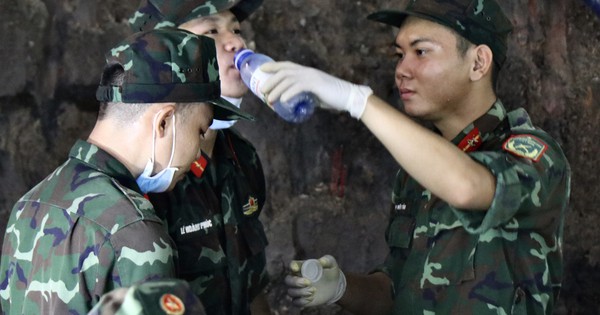
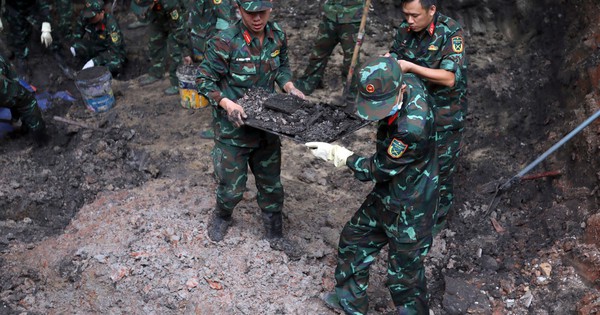
The search for soldiers lost during the 1968 Tet Offensive has yielded significant results, with authorities uncovering 49 sets of remains and artifacts in Ho Chi Minh City's Le Thi Rieng Park. The operation, a multi-year effort, has utilized historical photographs, witness accounts, and ground-penetrating radar to locate mass graves.
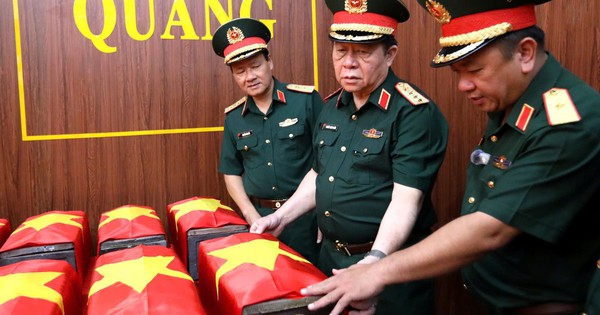
Senior military official General Nguyen Trong Nghia visited the excavation site on July 11, commending the teams for their dedication to the "500-day and night campaign to accelerate the search, collection, and identification of martyrs' remains." The Ministry of Defense reported that in addition to the 49 sets of remains, 7 sets of personal effects and one collective burial site were discovered.
The entire Party, people, and political system share the responsibility of searching for, collecting, and identifying martyrs, but specialized search teams are the core force.
The quest to identify these fallen soldiers began in 1995, when Ho Chi Minh City received information about mass graves at the former Do Thanh Cemetery. However, subsequent urban development had completely altered the landscape, erasing old landmarks. A breakthrough came in late 2017 or early 2018 when a research team found an old photograph of a mass grave. Further analysis, including comparison with satellite imagery and old maps, identified a water tower in the background as a key clue. This led to the reconstruction of the former Chi Hoa - Cho Quan Cemetery area, now Le Thi Rieng Park.
Another crucial piece of evidence emerged from a color photograph by the Associated Press, dated February 12, 1968, which indicated that bodies were buried in three rows. The convergence of historical photos, pre-1975 maps, aerial imagery, cemetery clearance data, and witness testimonies pinpointed suspected locations. Since June 15, the Ho Chi Minh City Command, in collaboration with specialized agencies, has employed ground-penetrating radar to aid the search, bringing a measure of closure to families after nearly 60 years.
The Party, State, army, people, and especially the martyrs' relatives are placing their trust in the officers and soldiers directly performing the duty.
DistantNews Editorial
Originally published by Thanh Niên in Vietnamese. Translated, summarized, and contextualized by our editorial team with added local perspective. Read our editorial standards.
More Stories


From Our Blog

What Gets Lost (and Found) When News Is Translated

The Critical Role of Diaspora Media in Global News

What Travellers Should Know About Countries with Restricted Press

A Digital Nomad's Guide to Following Local News

How the Same Story Looks Different in Different Countries
