

Vietnam lawmakers debate removing mandatory notarization for property deals amid risk concerns
Translated from Vietnamese, summarized and contextualized by DistantNews.
At a glance
News
Sources not specified
Context piece
- Vietnamese lawmakers are debating a land law amendment that removes mandatory notarization for property transactions, raising concerns about legal risks.
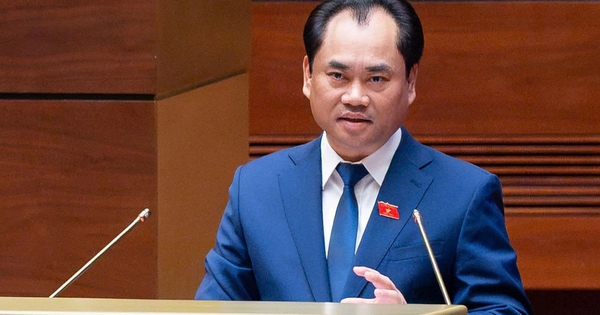
- Minister of Agriculture and Rural Development Trịnh Việt Hùng assured that land users' rights will be protected during transactions.
- Concerns include potential legal uncertainties and the inability of digital databases to fully replace the verification role of notaries in confirming parties' voluntary intent.
A proposed amendment to Vietnam's Land Law has sparked debate among lawmakers, particularly regarding the removal of mandatory notarization for property transfers. While the draft law focuses on conditions like possessing land use certificates and the absence of disputes, it omits the current requirement for notarization or certification of contracts for land use rights and property transfers.
Lawmaker Nguyễn Thị Hồng Hạnh, director of the Ho Chi Minh City Department of Justice, urged retaining the existing notarization rules. She pointed to government reports that acknowledge notarization's role in connecting land and tax data, but questioned the lack of assessment on the current system's drawbacks that would justify its removal. Hạnh emphasized the need for careful consideration of social and legal impacts, arguing that digital databases cannot fully replicate the notary's function in verifying parties' voluntary intent and legal capacity. She cited the example of a parent gifting property, questioning how voluntariness could be confirmed solely through databases.
Fellow lawmaker Lê Thị Thanh Lam from Can Tho echoed these concerns, suggesting that while removing notarization might offer short-term cost and time savings, it could lead to increased transaction risks like disputes over invalid transactions or fraud. The eventual costs of resolving such issues could outweigh immediate savings. The debate highlights a tension between streamlining property transactions and ensuring legal security for citizens.
We cannot know if the parties voluntarily participated in the transaction. For example, whether parents are voluntarily gifting property to their children or are being forced.
DistantNews Editorial
Originally published by Thanh Niên in Vietnamese. Translated, summarized, and contextualized by our editorial team with added local perspective. Read our editorial standards.
More Stories

From Our Blog

What Gets Lost (and Found) When News Is Translated

The Critical Role of Diaspora Media in Global News

What Travellers Should Know About Countries with Restricted Press

A Digital Nomad's Guide to Following Local News

How the Same Story Looks Different in Different Countries
