

Vietnam's Leader Urges Ethics and Integrity for Strategic Officials
Translated from Vietnamese, summarized and contextualized by DistantNews.
At a glance
News
Official statement
New plan
- Vietnam's General Secretary and President Tô Lâm stressed the need for strategic officials to prioritize ethics and integrity, warning against the corrupting influence of power and material possessions.
- He emphasized that leadership in the new era requires a strong moral compass and decisive action for the common good, serving as a measure of survival for officials.
- Lâm called for a shift from passive thinking to proactive, development-oriented strategies, urging officials to align their work with national goals and avoid short-sighted, "term-based" thinking.
General Secretary and President Tô Lâm has outlined stringent expectations for strategic-level officials in Vietnam, emphasizing that ethics and integrity must form the bedrock of their leadership. In a new era of national development, Lâm asserted that these qualities are paramount, warning that power and material wealth must never overshadow sound judgment. He stressed that officials must act decisively for the collective benefit, framing these principles as crucial for their leadership capacity and commitment to public service.
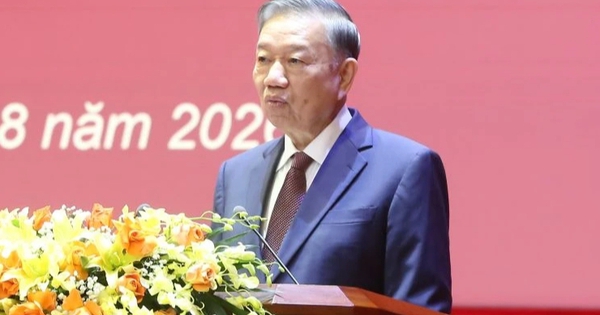
Speaking at the opening of a training program for Central Committee members, Lâm highlighted the increasing authority and responsibility of high-ranking officials as the country pursues significant historical transitions. "As power becomes more concentrated, the challenges to a leader's integrity become more acute than ever," he stated, echoing President Hồ Chí Minh's past warnings against corruption.
Lâm urged officials to establish a robust "moral braking system" to resist the temptations of power and material gain. This involves a commitment to not letting power or possessions cloud reason, not allowing personal or sectional interests to dictate decisions, and absolutely avoiding actions that could cause long-term harm for short-term benefits. He described ethical decay not only through corruption but also through self-serving behavior, such as suppressing talented individuals to maintain positions or exhibiting cowardice in the face of difficult tasks.
The leader called for a fundamental shift from passive approaches to proactive, development-focused strategies. Strategic officials, he argued, must possess foresight, viewing their specific roles within the broader national context. He cautioned against "term-based thinking" that could fragment long-term objectives and against narrow, localized perspectives that might weaken overall national strength. This call for a more integrated and forward-looking approach aims to bridge the gap between policy resolutions and tangible outcomes.
As power becomes more concentrated, the challenges to a leader's integrity become more acute than ever.
DistantNews Editorial
Originally published by Thanh Niên in Vietnamese. Translated, summarized, and contextualized by our editorial team with added local perspective. Read our editorial standards.
More Stories


From Our Blog

What Gets Lost (and Found) When News Is Translated

The Critical Role of Diaspora Media in Global News

What Travellers Should Know About Countries with Restricted Press

A Digital Nomad's Guide to Following Local News

How the Same Story Looks Different in Different Countries
