


Vietnam Proposes 'Vietnamese Culture Day' with Paid Holiday to Boost Cultural Industry
Translated from Vietnamese, summarized and contextualized by DistantNews.
TLDR
- Vietnam's National Assembly is discussing a proposal to establish November 24th as 'Vietnamese Culture Day,' a public holiday with paid leave.
- The proposal aims to honor cultural values and stimulate domestic tourism and cultural consumption.
- Discussions also cover the need to integrate traditional culture into modern creative industries to enhance its accessibility, economic value, and sustainability, particularly for younger generations.
As reported by Thanh Niên, a prominent Vietnamese news outlet, the National Assembly is considering a significant proposal to designate November 24th as 'Vietnamese Culture Day.' This initiative, which includes a paid public holiday, aims to deeply embed cultural appreciation within the national consciousness and provide a tangible boost to the cultural economy. The idea is not just symbolic; it's a strategic move to foster a stronger national identity and encourage citizens to engage more directly with their heritage.
This is a decision with an extremely strong national symbolic meaning, with profound and far-reaching impacts.
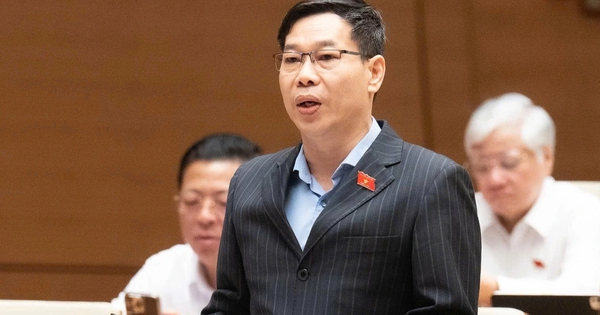
Delegate Đỗ Đức Hồng Hà from Hanoi has lauded the proposal as a "powerful national symbol" with far-reaching impacts. While acknowledging the value of paid leave for honoring culture and stimulating consumption, Hà suggests expanding the initiative. He proposes that the 'discount campaign' associated with the day should extend beyond public institutions to include private cultural and entertainment venues. This broader participation, he argues, would transform the day into a nationwide celebration, truly energizing the cultural industry.
However, in my opinion, instead of limiting fee reductions and exemptions only to public facilities, the resolution should add mechanisms to encourage cultural and entertainment facilities in the private sector to participate in the discount campaign, thereby creating a nationwide cultural industry stimulus day.
Delegate Trần Thị Vân from Bắc Ninh offers a nuanced perspective, recognizing the potential of the cultural industry as a new economic driver. However, she points out a critical gap: the current focus on "static preservation" of culture, while safeguarding heritage, often detaches it from contemporary life. This makes it less accessible, especially to the youth, and limits its transformation into economically viable products. Vân champions the idea of integrating traditional culture into modern creative products, citing examples like the film 'Mưa đỏ' and the globally popular animated series 'Wolfoo,' which successfully blend traditional elements with modern appeal.
Cultural industry is a potential economic sector. However, in reality, as the demand for cultural access becomes more diverse and market-oriented, cultural preservation is mainly carried out in a static way, focusing on preserving, restoring, and protecting heritage in its original state.
Thanh Niên believes that Vân's point is crucial for Vietnam's cultural future. By embracing digital innovation and market-driven creativity, traditional culture can remain vibrant, adaptable, and economically beneficial. The article underscores that culture truly thrives when it flows within the market and creative streams. The current draft policies, while encouraging, may lack the strong financial incentives needed to attract significant private and international investment, a point that requires further consideration to ensure the long-term sustainability and global reach of Vietnam's rich cultural heritage.
If we can integrate culture into creative products, it has the potential to spread very quickly, widely, and strongly.
DistantNews Editorial
Originally published by Thanh Niên in Vietnamese. Translated, summarized, and contextualized by our editorial team with added local perspective. Read our editorial standards.
More Stories
From Our Blog

What Gets Lost (and Found) When News Is Translated

The Critical Role of Diaspora Media in Global News

What Travellers Should Know About Countries with Restricted Press

A Digital Nomad's Guide to Following Local News

How the Same Story Looks Different in Different Countries
