

Vietnam to prioritize elevated highways in Mekong Delta
Translated from Vietnamese, summarized and contextualized by DistantNews.
At a glance
News
Official statement
New plan
- Vietnam's Ministry of Construction will prioritize elevated highways on new expressways in the Mekong Delta due to challenging soil conditions.
- Elevated sections are more expensive but offer greater stability, reduced reliance on fill materials, and faster construction.
- The ministry is studying the economic and social benefits of elevated routes compared to traditional embankment roads.
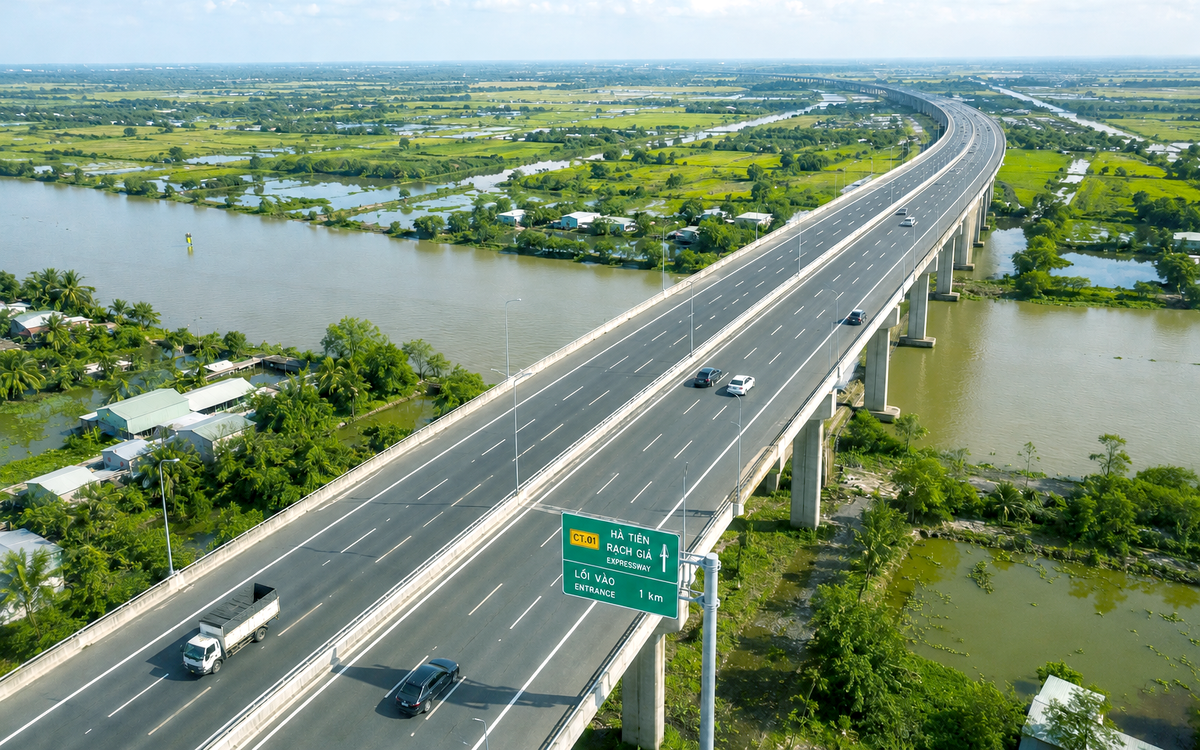
Vietnam's Ministry of Construction plans to prioritize elevated highway construction for new expressways in the Mekong Delta. This decision stems from the region's challenging geological conditions, characterized by weak soil, intricate river systems, and tidal influences.
Traditional embankment roads in the area require extensive soil stabilization, leading to long waiting periods for settlement and complex, prolonged settling issues during operation. These methods also demand significant quantities of fill materials like stone and sand. The ministry acknowledges that while elevated sections are costlier, they provide superior structural stability, mitigate construction and operational risks, and lessen dependence on sand resources.
Elevated highways are not a new concept in southern Vietnam, having been implemented on previous projects like the Ho Chi Minh City-Trung Luong and Ho Chi Minh City-Long Thanh-Dau Giay expressways. However, the ambitious national goal of completing 3,000 km of expressways by 2025 and 5,000 km by 2030 requires substantial investment, straining state budgets. Consequently, traditional embankment methods have often been chosen to balance resource allocation.
The ministry is currently evaluating the comparative socio-economic benefits of elevated highways versus traditional embankments. Elevated highways, designed for a 100-year lifespan, offer advantages such as reduced land acquisition needs, lower sand consumption, and potentially shorter construction timelines due to pre-fabricated components. They also provide a smoother ride, avoiding settlement issues between road sections and bridges.
DistantNews Editorial
Originally published by Tuổi Trẻ in Vietnamese. Translated, summarized, and contextualized by our editorial team with added local perspective. Read our editorial standards.
More Stories

From Our Blog

What Gets Lost (and Found) When News Is Translated

The Critical Role of Diaspora Media in Global News

What Travellers Should Know About Countries with Restricted Press

A Digital Nomad's Guide to Following Local News

How the Same Story Looks Different in Different Countries
