

Village chief leads ethnic minority out of darkness, challenging traditions
Translated from Vietnamese, summarized and contextualized by DistantNews.
At a glance
In-depth
Sources not specified
Context piece
- Ho Thi Kien, a 38-year-old Chut ethnic minority woman, leads the Rào Tre village in Hà Tĩnh province, challenging traditional norms.
- She successfully combatted harmful practices like consanguineous marriage, encouraging inter-ethnic unions and improving the health of newborns.
- Kien also prioritized education, ensuring all children in the village attend school and fostering a path out of poverty.
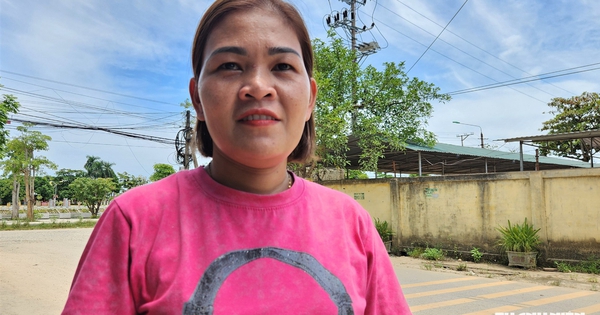
Nestled at the foot of Ka Day mountain, Ho Thi Kien, the village chief of the Chut ethnic group in Rào Tre village, Hà Tĩnh province, is a beacon of change. At 38, Kien has not only preserved her community's traditions but also actively worked to dismantle harmful customs, bringing a new dawn to her people.
Kien's journey to leadership was unconventional. In 2016, at just 28, she was elected chief, a role traditionally held by older men known for their experience and, notably, their ability to hold their liquor. Her election was met with skepticism, with some elders questioning a woman's capacity to lead. "They said Chut women only know how to farm and follow their husbands, so how could they manage the whole village?" Kien recalled.
They said Chut women only know how to farm and follow their husbands, so how could they manage the whole village?
Driven by the pervasive poverty and the specter of consanguineous marriage, Kien refused to back down. She recognized that to gain the villagers' trust, she had to lead by example. One of her most significant battles was eradicating incestuous marriages, a practice that threatened the Chut people's genetic integrity.
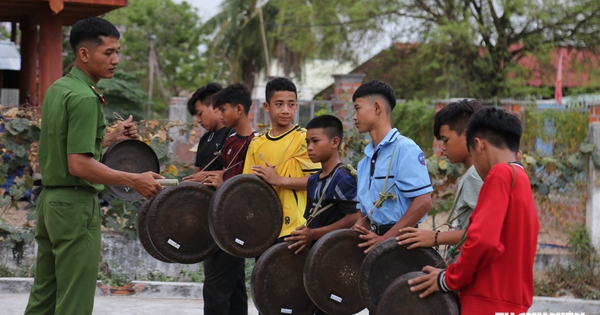
Working alongside soldiers from the Bản Giàng Border Guard Station, Kien patiently visited each household, explaining the dangers of marrying relatives. She spent long nights by hearths, patiently educating parents in their native tongue. Beyond education, Kien and the border guards acted as matchmakers, encouraging young Chut men and women to connect with Kinh people and other ethnic groups. These cross-community marriages have since flourished, resulting in healthier, more vibrant generations.
Children born from consanguineous marriages were weak or had deformities. Seeing the heartbreaking consequences, the villagers gradually realized my words were correct.
"Children born from consanguineous marriages were weak or had deformities. Seeing the heartbreaking consequences, the villagers gradually realized my words were correct," Kien shared joyfully. "In recent years, about six Chut girls have married Kinh men, some even as far as Quảng Bình. They have healthy children and lead very happy lives."
Alongside combating harmful traditions, Kien championed education as the key to escaping poverty. She and the village teachers tirelessly encouraged parents to send their children to school. Her own family set a strong example, with her three children studying diligently. With support from various levels of government, Kien achieved a remarkable milestone: 100% of the village's children now attend school.
In recent years, about six Chut girls have married Kinh men, some even as far as Quảng Bình. They have healthy children and lead very happy lives.
DistantNews Editorial
Originally published by Thanh Niên in Vietnamese. Translated, summarized, and contextualized by our editorial team with added local perspective. Read our editorial standards.
More Stories

From Our Blog

What Gets Lost (and Found) When News Is Translated

The Critical Role of Diaspora Media in Global News

What Travellers Should Know About Countries with Restricted Press

A Digital Nomad's Guide to Following Local News

How the Same Story Looks Different in Different Countries
