

Volhynia Massacre: A Central Point of Contention in Polish-Ukrainian Relations
Translated from Polish, summarized and contextualized by DistantNews.
At a glance
In-depth
Named sources
Context piece
- The book "Games of Memory. On Historical Policy, Poland, Ukraine, and Russia" features a conversation between Andrzej Brzeziecki and Professor Grzegorz Motyka.
- The discussion centers on the Volhynia massacre and its role in Polish-Ukrainian relations.
- It explores how the issue evolved from a less prominent concern in the 1990s to a central point of contention.
The book "Games of Memory. On Historical Policy, Poland, Ukraine, and Russia" presents a dialogue between journalist Andrzej Brzeziecki and historian Professor Grzegorz Motyka. Published on July 8 by Wydawnictwo Literackie, the work delves into the complex historical narratives shaping relations between Poland, Ukraine, and Russia.
The conversation highlights the evolution of historical disputes. In the 1990s, the Cmentarz Orląt (Orlęta Lwowska Cemetery) was a primary issue in Polish-Ukrainian relations. Simultaneously, the Ukrainian Insurgent Army (UPA) was primarily associated with the Bieszczady region, particularly the area of Łuny, for those familiar with the region.
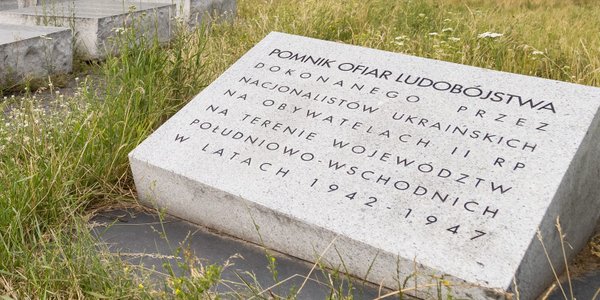
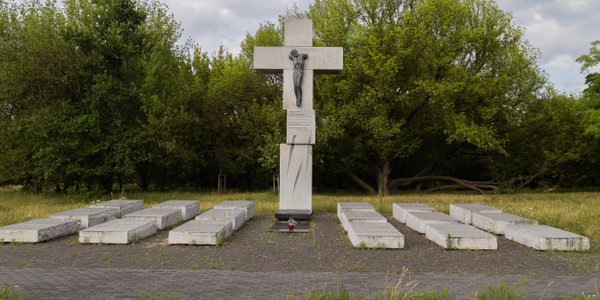
Professor Motyka reflects on the shift in focus, particularly the growing significance of the Volhynia massacre. This event, which involved widespread ethnic cleansing and mass killings of Poles by Ukrainian nationalists, has become a central and highly sensitive point of contention in contemporary Polish-Ukrainian discourse. The book examines how this historical trauma continues to influence present-day political and social dynamics.
DistantNews Editorial
Originally published by Rzeczpospolita in Polish. Translated, summarized, and contextualized by our editorial team with added local perspective. Read our editorial standards.
More Stories
From Our Blog

What Gets Lost (and Found) When News Is Translated

The Critical Role of Diaspora Media in Global News

What Travellers Should Know About Countries with Restricted Press

A Digital Nomad's Guide to Following Local News

How the Same Story Looks Different in Different Countries
