

Volhynia massacre will continue to divide Poles and Ukrainians, says commentator
Translated from Polish, summarized and contextualized by DistantNews.
At a glance
Opinion
Named sources
Context piece
- The Volhynia massacre remains a divisive issue between Poles and Ukrainians and will likely continue to do so for decades.
- Populists are expected to exploit the historical tragedy for political gain.
- Dialogue, despite the difficult history, is crucial for normalizing relations between the two nations.
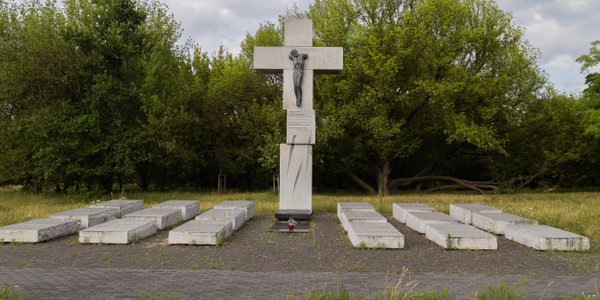
Eighty-three years after the "Bloody Sunday" of the Volhynia massacre, the historical tragedy continues to cast a long shadow over Polish-Ukrainian relations. Bogusław Chrabota argues that the events will remain a source of division for decades, largely because populists on both sides will likely exploit the historical emotions for political purposes.
Chrabota acknowledges a recent meeting between Polish President Andrzej Duda and Ukrainian President Volodymyr Zelenskyy during the NATO summit in Ankara. Despite initial skepticism from some quarters, the two leaders engaged in a discussion, which Chrabota views as a positive step. However, the outcome was somber, with Duda reporting that historical issues remained unresolved.
This lack of resolution is not surprising, given the complexity and sensitivity of the Volhynia massacre. Chrabota emphasizes that resolving such deep-seated historical problems is unlikely in a single meeting. Nevertheless, the very fact that dialogue is possible is paramount. He asserts that maintaining open channels of communication is the only viable path toward normalizing relations between the Polish and Ukrainian peoples.
The article highlights the enduring pain and significance of the Volhynia massacre, stating that the memory of the crime cannot be erased. While acknowledging the past is essential, Chrabota stresses the importance of focusing on the future and continuing the diplomatic efforts to bridge historical divides.
DistantNews Editorial
Originally published by Rzeczpospolita in Polish. Translated, summarized, and contextualized by our editorial team with added local perspective. Read our editorial standards.
More Stories


From Our Blog

What Gets Lost (and Found) When News Is Translated

The Critical Role of Diaspora Media in Global News

What Travellers Should Know About Countries with Restricted Press

A Digital Nomad's Guide to Following Local News

How the Same Story Looks Different in Different Countries
