

Von der Leyen: Ukraine war threatens EU's eastern borders
Translated from Greek, summarized and contextualized by DistantNews.
At a glance
News
Sources not specified
Context piece
- European Commission President Ursula von der Leyen stated that Russia's war in Ukraine poses a threat to the EU's eastern borders.
- Her comments followed an incident where a naval drone, similar to those used in Ukraine, exploded near an oil terminal in the Romanian port of Constanța.
- The Romanian Ministry of Defense reported no casualties or material damage from the drone explosion, and the Russian embassy in Bucharest denied any Russian involvement, calling the drones Ukrainian.
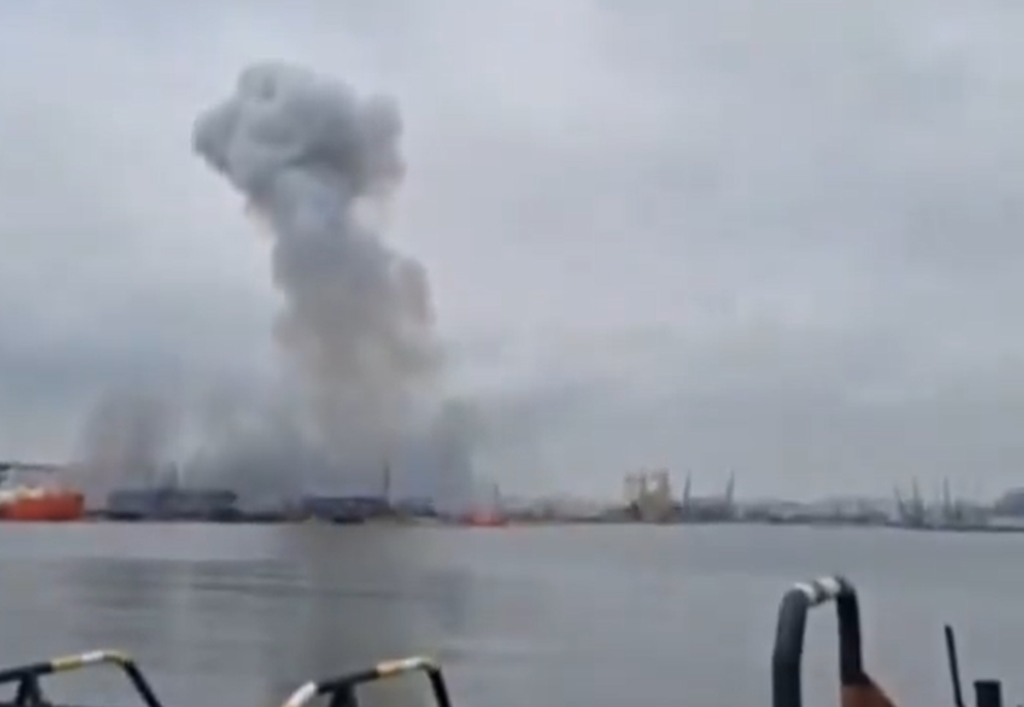
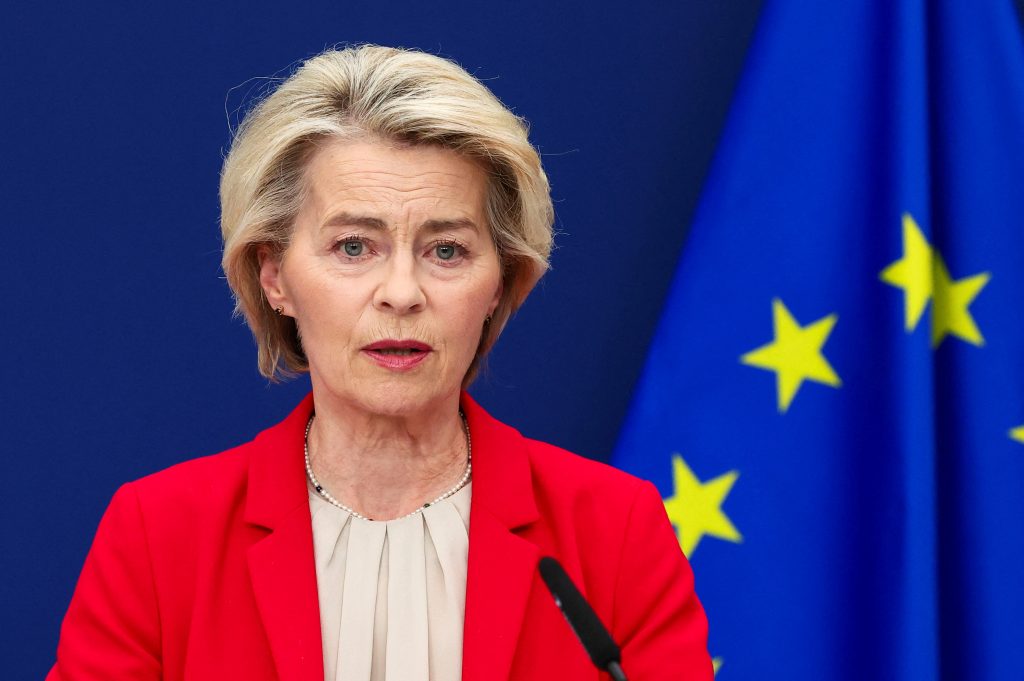
The war in Ukraine is increasingly posing a threat to the European Union's eastern flank, according to European Commission President Ursula von der Leyen. Her remarks came after a naval drone, identified as being of a type used in Ukraine, exploded in the Romanian port of Constanța on the Black Sea.
Von der Leyen expressed the EU's "universal solidarity" with member states facing such risks. The incident near the oil terminal in Constanța caused no casualties or significant damage, according to Romania's Ministry of Defense. The regional governor of Constanța noted that Kyiv had informed Bucharest that the drone was part of a group of five, with another exploding in Ukrainian territory and the remaining three being sought.
Our solidarity with every member state exposed to these risks is universal.
Adding to the complexity, the Russian embassy in Bucharest issued a statement via Telegram asserting that the naval drones are Ukrainian. They deemed any attempt to link them to Russia or assign responsibility to Moscow as "completely unfounded."
This incident underscores the escalating tensions and the potential for spillover effects from the conflict in Ukraine into neighboring EU territories. The differing accounts from Romania and Russia highlight the ongoing information warfare surrounding the conflict.
these naval drones are Ukrainian, and any attempt to link them to Russia and assign responsibility to Russia is completely unfounded.
DistantNews Editorial
Originally published by Ta Nea in Greek. Translated, summarized, and contextualized by our editorial team with added local perspective. Read our editorial standards.
More Stories


From Our Blog

What Gets Lost (and Found) When News Is Translated

The Critical Role of Diaspora Media in Global News

What Travellers Should Know About Countries with Restricted Press

A Digital Nomad's Guide to Following Local News

How the Same Story Looks Different in Different Countries
