


🇻🇳
Vietnam
Vung Tau Beach Sees Influx of Sea Worms and Jellyfish
Translated from Vietnamese, summarized and contextualized by DistantNews.
TLDR
- Numerous sea worms and jellyfish have washed ashore on Vung Tau beach, causing concern among locals and tourists.
- While the marine life is abundant, many visitors are still enjoying the beach, though some are limiting their time in the water.
- Local authorities confirm this is a cyclical phenomenon that occurs annually, especially during hot weather, and advise caution due to potentially irritating species.
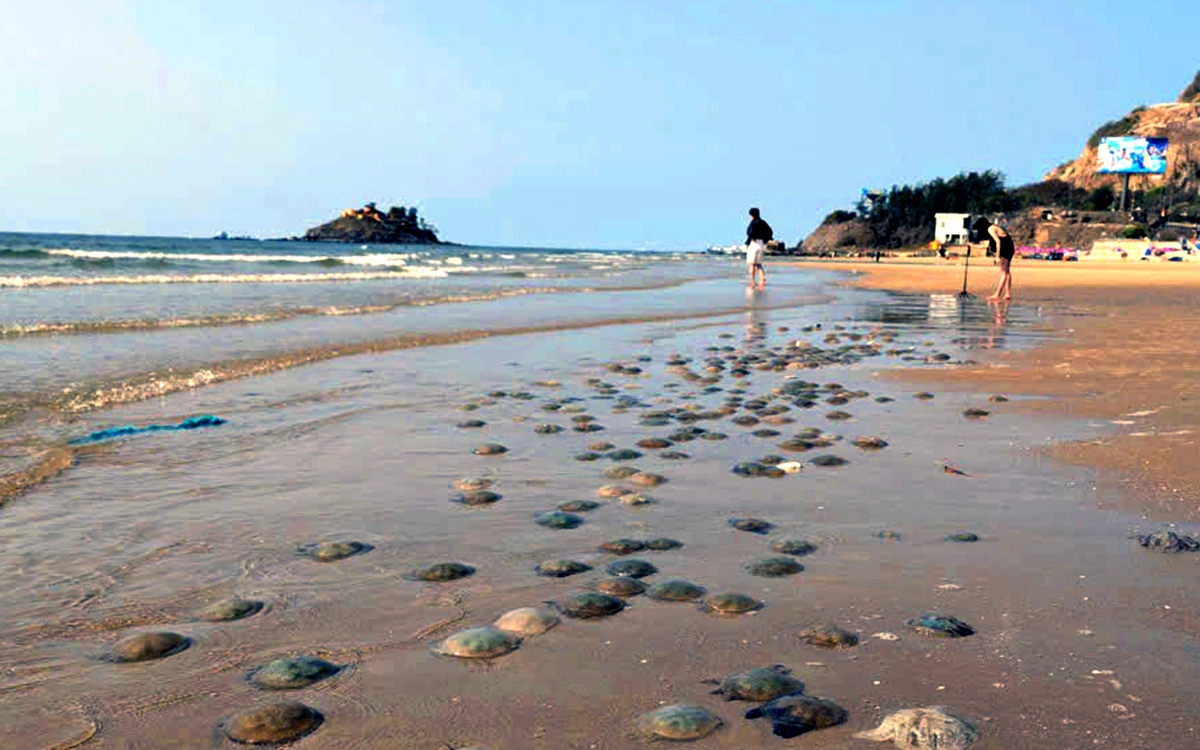
Vung Tau's beautiful beaches, usually a source of pride and a major draw for tourists, have recently been marred by an unusual and somewhat alarming sight: a dense accumulation of sea worms and jellyfish washing ashore. This phenomenon, particularly noticeable at Bai Sau, has understandably caused a stir among residents and visitors alike.
The phenomenon of sea worms and jellyfish washing ashore still occurs, especially during peak hot weather.
The marine creatures, described as worm-like with hairy bodies and round jellyfish, have blanketed the shoreline, with many sea worms found dead. Despite the unsettling appearance and the potential for stings, many beachgoers are still flocking to the coast. However, a noticeable caution prevails, with many opting to stay out of the water or limiting their activities to areas further from the shore.
Some people are stung by sea worms, causing itching and pain.
Local residents note that this is not an entirely new occurrence, often happening during the peak hot season. While some brave souls even interact with the sea worms, others have experienced the unpleasant consequences of stings, leading to itching and pain. The local public service center has confirmed the increased presence of these marine species, attributing it to a natural, cyclical event that typically subsides over time.
Some species of jellyfish and sea worms have mild toxins that can cause skin irritation, so visitors bathing or walking on the beach should limit contact.
Authorities are reminding the public that certain species of jellyfish and sea worms can possess mild toxins that cause skin irritation. The fire jellyfish, with its potent stinging tentacles, is particularly hazardous. Visitors are urged to avoid direct contact and to seek immediate assistance from lifeguards if stung. Prompt rinsing of the affected area and seeking medical attention for severe reactions are crucial steps to manage any adverse effects.
In case of severe allergic symptoms, rashes, or difficulty breathing, they will be taken to medical facilities for treatment.
DistantNews Editorial
Originally published by Tuổi Trẻ in Vietnamese. Translated, summarized, and contextualized by our editorial team with added local perspective. Read our editorial standards.
More Stories



From Our Blog

What Gets Lost (and Found) When News Is Translated

The Critical Role of Diaspora Media in Global News

What Travellers Should Know About Countries with Restricted Press

A Digital Nomad's Guide to Following Local News

How the Same Story Looks Different in Different Countries
