


Wastewater Survey Reveals Widespread Drug Use in South Korea, Club Drugs Found During Halloween
Translated from Korean, summarized and contextualized by DistantNews.
At a glance
News
Sources not specified
Context piece
- A nationwide survey of wastewater in South Korea detected 31 types of illegal drugs, including methamphetamine (philopon), and 25 types of medical drugs.
- During the Halloween period, eight types of "club drugs" like ecstasy and ketamine were detected in wastewater samples from popular nightlife areas in Seoul's Yongsan district.
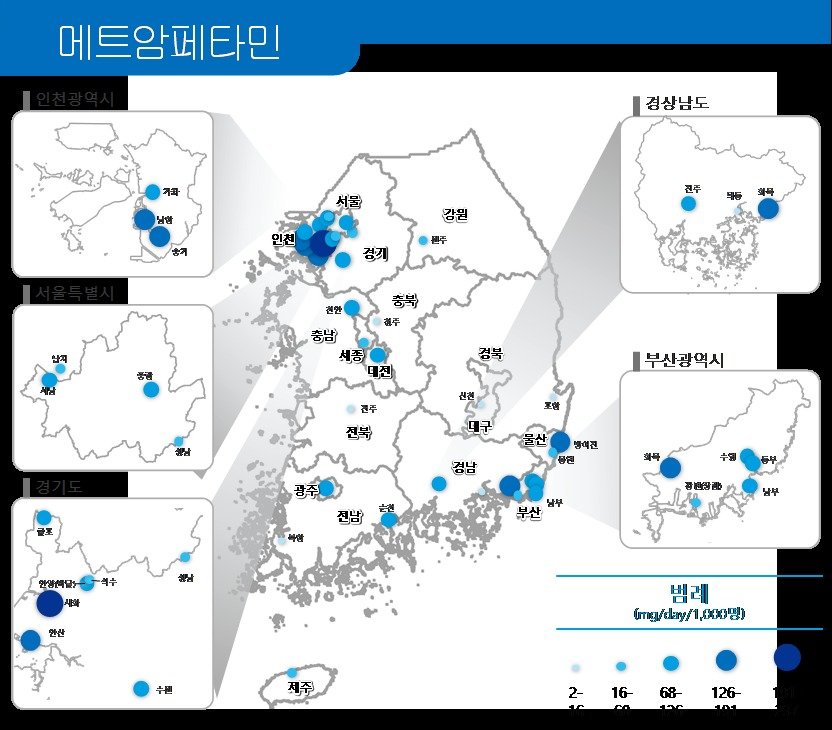
- Methamphetamine was found in all surveyed locations, indicating widespread use, with an estimated usage rate of one person per 10,000 population nationwide.
A comprehensive survey of wastewater across South Korea has revealed the widespread presence of illicit drugs, with 31 different types of illegal substances and 25 types of medical drugs detected nationwide. The findings, released by the Ministry of Food and Drug Safety (MFDS), highlight the pervasive nature of drug use, extending even to areas not typically monitored by law enforcement.
Methamphetamine, commonly known as philopon, was detected in wastewater samples from every surveyed location, suggesting its use is prevalent throughout the country. The estimated national usage rate for methamphetamine is approximately one person per 10,000 population, based on the amount found in sewage treatment facilities. This indicates a significant public health concern that requires targeted intervention.
A total of 31 types of illegal drugs and 25 types of medical drugs, including methamphetamine (philopon) and zolpidem, were detected in all wastewater samples from wastewater treatment plants, upstream collection districts, and densely populated areas.
During the recent Halloween festivities, wastewater samples collected from the bustling Yongsan district in Seoul, a popular nightlife hub, yielded a notable concentration of "club drugs." Eight different types of these substances, including ecstasy and ketamine, were identified in this specific area. These particular drugs were not detected in the broader wastewater samples from treatment plants or upstream collection points, suggesting localized consumption patterns during peak social events.
The MFDS has been conducting these wastewater-based drug surveys since 2020 to supplement traditional detection methods. To enhance accuracy, the survey's scope has been significantly expanded, increasing the number of detectable drug types from 15-22 in 2024 to 243 in the latest survey. The ministry plans to further broaden its investigation by increasing the number of cities and densely populated areas included in future surveys, reflecting a commitment to understanding and combating the evolving landscape of drug distribution and use in South Korea.
Eight types of club drugs, including ecstasy and ketamine, were detected in some areas during the Halloween period.
DistantNews Editorial
Originally published by Dong-A Ilbo in Korean. Translated, summarized, and contextualized by our editorial team with added local perspective. Read our editorial standards.
More Stories



From Our Blog

What Gets Lost (and Found) When News Is Translated

The Critical Role of Diaspora Media in Global News

What Travellers Should Know About Countries with Restricted Press

A Digital Nomad's Guide to Following Local News

How the Same Story Looks Different in Different Countries
