


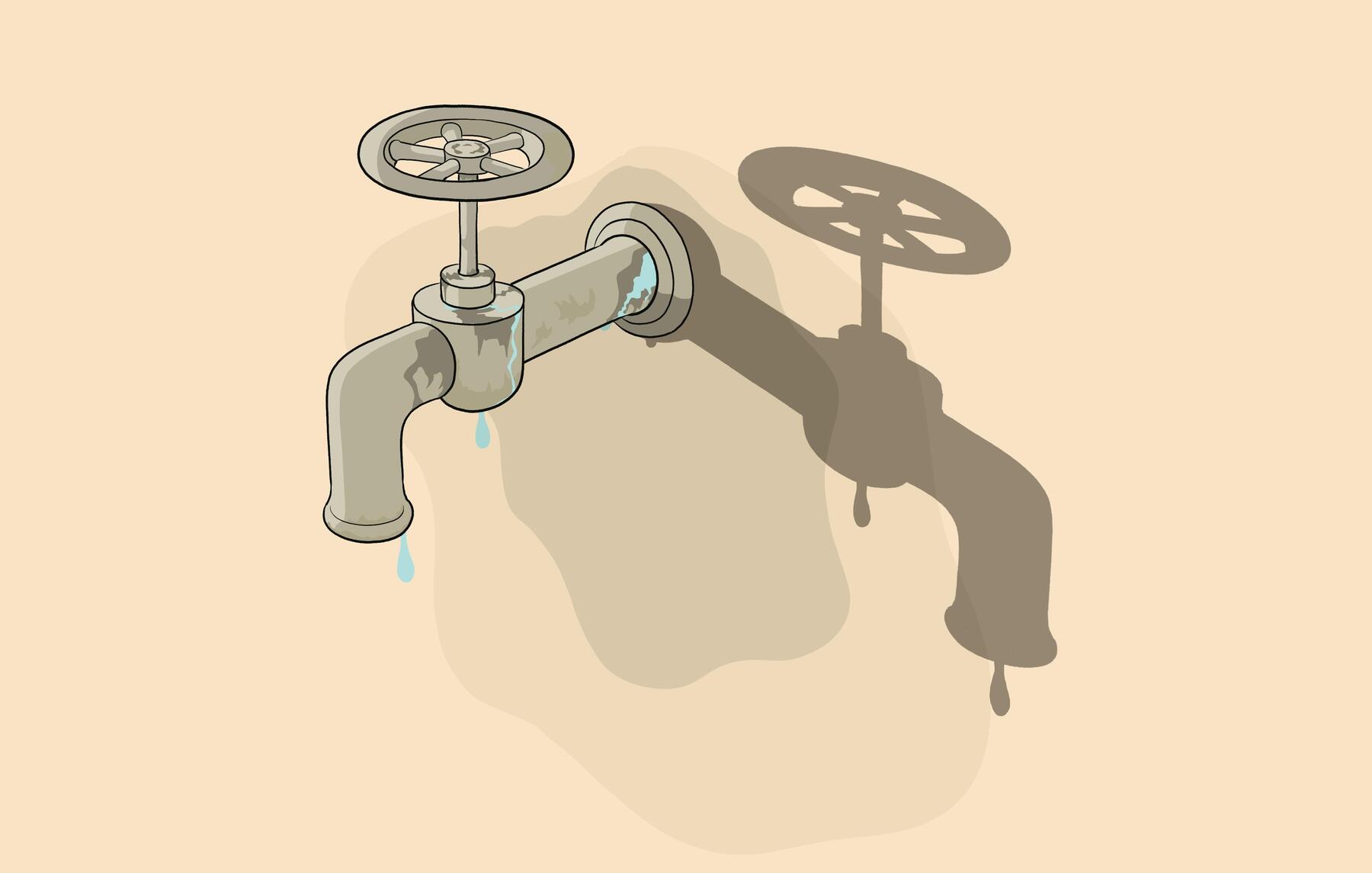
Water damage during vacation: Does insurance pay?
Translated from German, summarized and contextualized by DistantNews.
At a glance
News
Named sources
Outcome reported
- An Austrian court ruled on a homeowner's insurance claim for water damage that occurred while they were on vacation.
- The dispute centered on a "72-hour clause" requiring the main water supply to be shut off if a property is unoccupied for more than three days.
- The court determined that occasional visits by a family member constituted "use" of the property, thus not violating the clause.
An Austrian homeowner's insurance dispute has reached the Supreme Court, focusing on whether a water damage claim is valid when the property was unoccupied for an extended period. The case highlights the complexities surrounding the "72-hour clause," a common provision in building insurance policies.
This clause typically mandates that the main water supply must be shut off if a building remains unoccupied for more than 72 hours. Disputes often arise over whether sporadic visits by family members or neighbors to care for the property negate the need to shut off the water.
In this specific instance, the homeowner was on a two-week vacation, but his daughter, who lives nearby, visited every other day. She collected mail, watered plants, checked emails, and did laundry. Her young son also accompanied her on these visits.
The insurance company argued that these visits were mere "inspections" and not sufficient "use" of the property to meet the policy's requirements. They contended that the daughter's visits did not equate to the intensity of occupation needed to bypass the clause. However, the courts, including the Supreme Court, disagreed.
The ruling emphasized that the word "or" in the policy's wording ("unoccupied or unused") indicated alternative conditions. The court found that the property was indeed "used" during the owner's absence due to the daughter's regular visits, thereby upholding the homeowner's claim.
DistantNews Editorial
Originally published by Die Presse in German. Translated, summarized, and contextualized by our editorial team with added local perspective. Read our editorial standards.
More Stories


From Our Blog

What Gets Lost (and Found) When News Is Translated

The Critical Role of Diaspora Media in Global News

What Travellers Should Know About Countries with Restricted Press

A Digital Nomad's Guide to Following Local News

How the Same Story Looks Different in Different Countries
