


Ways to Instill a Vegetable-Eating Habit in Children: 6 Scientifically Proven Methods
Translated from Turkish, summarized and contextualized by DistantNews.
At a glance
News
Named sources
Context piece
- Many parents struggle to get children to eat vegetables, leading to concerns about cognitive development and school success.
- Scientists have identified six evidence-based methods to encourage vegetable consumption in children.
- Key strategies include early and frequent exposure, offering vegetables first during meals, and understanding that taste preferences can be influenced even before birth.
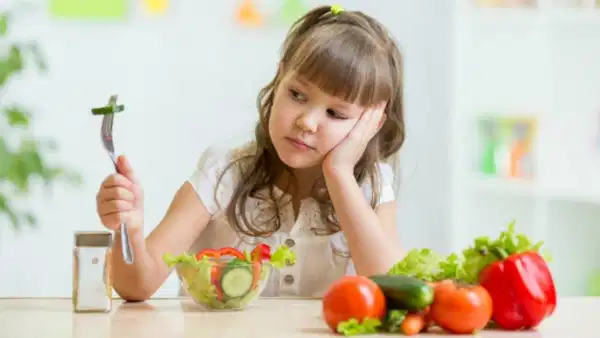
Getting children to eat vegetables like broccoli, spinach, or peas often turns into a battle for parents. Questions like "Why does my child only eat beige foods?" are common in parent forums. Medical experts emphasize that poor and monotonous diets directly hinder children's cognitive development, concentration, and academic performance. Amidst rising childhood obesity globally, scientists have revealed six effective, easy-to-implement methods to help children develop a liking for vegetables.
Professor Marion Hetherington of the University of Leeds suggests that exposing young children to a variety of vegetables frequently can make a significant difference. The preschool years are the most critical for fostering vegetable acceptance. "If you don't start increasing children's contact with vegetables by the age of five, you're almost too late," Hetherington warns, noting that while not impossible, it becomes much harder if these early exposure opportunities are missed. Research indicates that a child typically needs repeated exposure, often between five and 15 times, to accept a new food, though this varies individually. Children under one year may require less exposure than preschoolers (three to four years old), who tend to exhibit higher levels of "food neophobia," an unwillingness to try new foods. Taste preferences can even begin to form before birth, as evidence suggests a mother's diet can influence fetal taste receptors through amniotic fluid.
If you don't start increasing children's contact with vegetables by the age of five, you're almost too late.
Presenting vegetables as beneficial can backfire, as children often prefer foods labeled "tasty" over those deemed "healthy." Instead, consider the timing of vegetable offerings. Serving vegetables at the beginning of a meal, when children are hungriest, increases the likelihood of consumption. "Children will generally eat what they like best," Hetherington explains. "And by the time their peas come around, they won't want them anymore." Eliminating competition from higher-calorie foods can thus be helpful. Barbara Rolls, a nutrition science professor at Penn State University, notes that offering vegetables first also helps prevent children from overeating. While not a traditional part of Western breakfasts, there's no reason children cannot eat them first thing in the morning.
Children will generally eat what they like best. And by the time their peas come around, they won't want them anymore.
DistantNews Editorial
Originally published by Cumhuriyet in Turkish. Translated, summarized, and contextualized by our editorial team with added local perspective. Read our editorial standards.
More Stories



From Our Blog

What Gets Lost (and Found) When News Is Translated

The Critical Role of Diaspora Media in Global News

What Travellers Should Know About Countries with Restricted Press

A Digital Nomad's Guide to Following Local News

How the Same Story Looks Different in Different Countries
