

“We Went From 19 Hospitals to Completing Eight,” Bolojan Says as Romania Spends Only Half of PNRR Health Funds
Translated from Romanian and summarized by DistantNews. Read the original for the full story.
At a glance
News
Named sources
Outcome reported
- Interim Prime Minister Ilie Bolojan says Romania’s health allocation under the National Recovery and Resilience Plan fell from more than €2 billion to just over €1 billion.
- He said the revised program ultimately completed eight hospital projects, down from an initial plan for 19, while other projects moved to cohesion funds or national budgets.
- Bolojan attributed delays to bureaucracy and called for simpler procurement and authorization procedures and stronger partnerships with local authorities.
Romania began its health program under the National Recovery and Resilience Plan with more than €2 billion, but successive reductions left just over €1 billion available, interim Prime Minister Ilie Bolojan said.
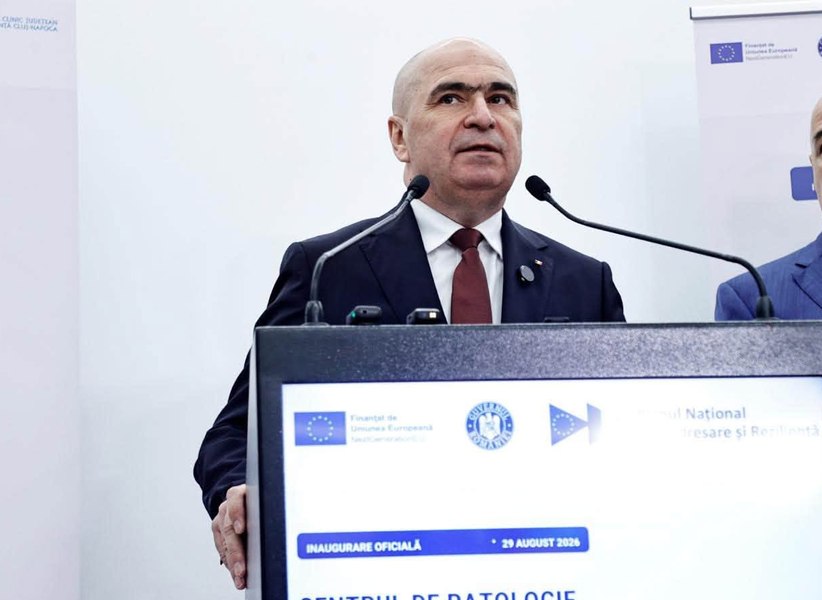
Bolojan spoke on Monday, August 31, at the inauguration of a new cardiovascular surgery center at the Emergency Institute for Cardiovascular Diseases and Transplantation in Târgu Mureș. He described the center as one of the projects financed through European funds and marked the closing of the PNRR health program and other program areas.
From 19 hospitals, after the PNRR was rearranged in 2023, we ended up in the position of practically completing eight.
He said the changes reduced the number of hospital projects covered by the plan. “From 19 hospitals, after the PNRR was rearranged in 2023, we ended up in the position of practically completing eight,” Bolojan said. The remaining projects, he added, were transferred to other funding sources, including European cohesion funds and national budgets.
Bolojan said the money had not been lost, but had moved to areas where it could be spent. He nevertheless described the delays as years lost for patients, doctors and health professionals who lacked equally good facilities.
This means some years of delay, some years in which patients from across the country, doctors and health professionals did not have equally good conditions.
He called for faster strategic decisions, simpler tendering and authorization procedures, experienced project administrators and partnerships with local authorities. He said officials had worked intensively at the end of the program to unblock financing, reorganize credit lines and overcome bureaucratic obstacles.
“This means some years of delay, some years in which patients from across the country, doctors and health professionals did not have equally good conditions,” Bolojan said.
And during this period we managed to unblock financing, reorganize credit lines and overcome bureaucratic issues.
About this summary
Originally published by Adevărul in Romanian. Translated, summarized, and contextualized automatically by DistantNews, with a note on how the source frames the story. Not individually reviewed before publishing. How this works.
More Stories



From Our Blog

What Gets Lost (and Found) When News Is Translated

The Critical Role of Diaspora Media in Global News

What Travellers Should Know About Countries with Restricted Press

A Digital Nomad's Guide to Following Local News

How the Same Story Looks Different in Different Countries
